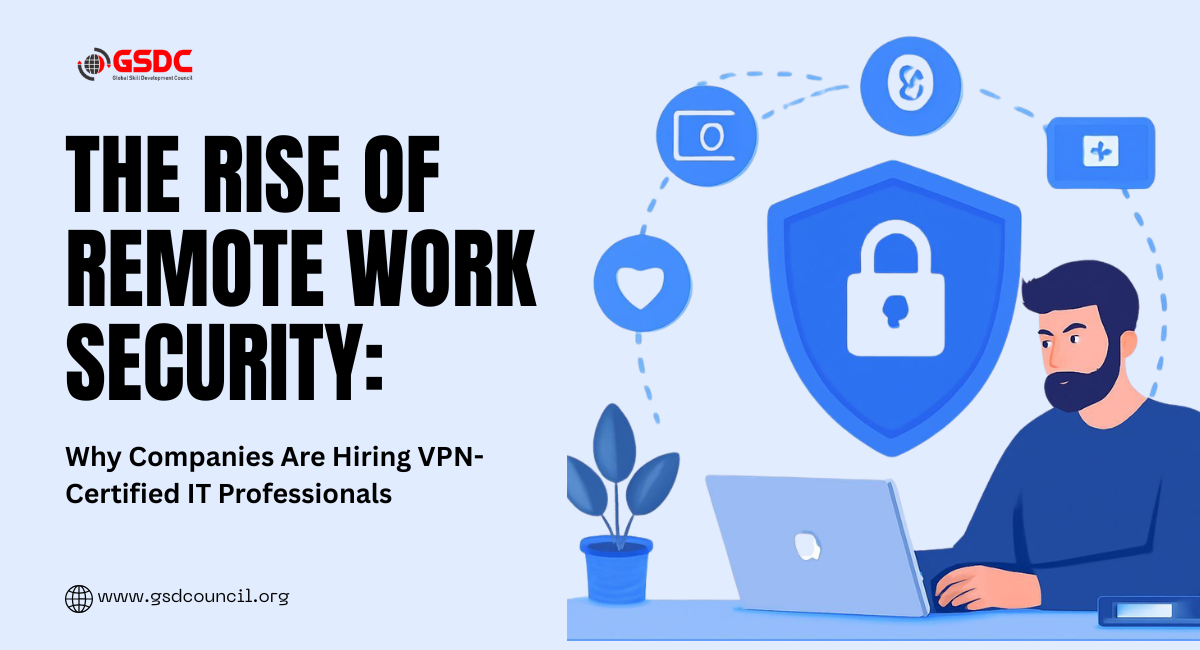
The Rise of Remote Work Security: Why Companies Are Hiring VPN-Certified IT Professionals
Written by Emily Hilton
The convenience of remote work is now mired with constant fear. Phishing, leakage, theft, and all other kinds of security issues grow by the day; one might even be launching an attack as you are reading this.
The repercussions these cyberattacks may bring - from data breaches, privacy violations, and trust issue - have led companies to take precautionary measures, starting from the weakest link often attributed to data breaches: negligence of company employees. Hence, the stricter hiring process.
Companies are now looking for IT professionals who are not just competent and skilled. There is a growing preference towards those who have advanced knowledge of cybersecurity technologies, such as:
- programming and scripting to detect, block, and remediate interceptions
- securing networking fundamentals, such as the use of VPN, SSL, and TLS protocols
- threat and malware analysis
- employing containment strategies
- implementing access management and encryption in the cloud
- using AI automated incident responses and forecasting attack trends
With all these requirements for remote work, what steps have you taken to adapt?
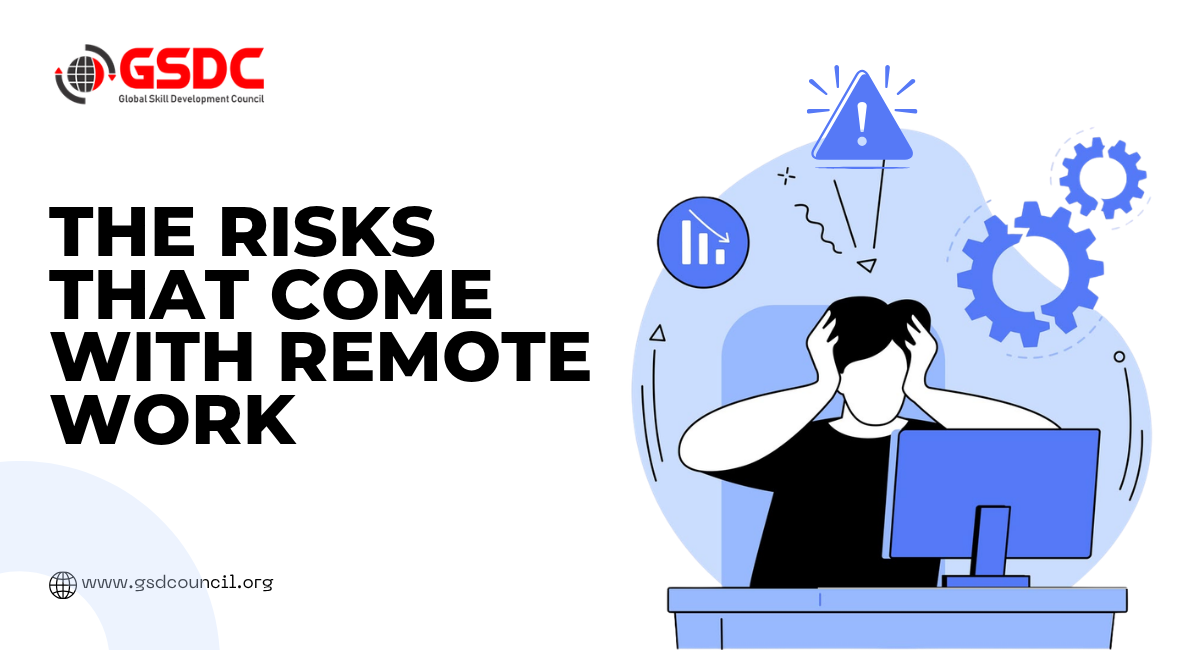
The Risks that Come with Remote Work
Remote work shows no signs of decline even after the pandemic. Rather, it has stabilized into hybrid models, allowing employees to do tasks on their preferred work schedule and style.
Such is an attractive alternative compared to the traditional 9-5. No wonder more than a quarter of today’s workforce is fully remote, with 84% millennials and 74% of Gen Zs—a number foreseen to continue to grow in the years to follow.
And since you are reading this, perhaps you are aspiring for the same thing, too. Unfortunately, companies have become more stringent in their hiring process. There is so much to lose if cybercriminals get hold of whatever kind of data the company has. That’s why it’s important to establish a strong cybersecurity infrastructure. In the VPNOverview analysis made by cybersecurity experts, companies that do so are less likely to become victims of cyberattacks and data breaches.
With the kind of access granted to IT professionals, they have the responsibility to maintain the integrity and confidentiality of the data they hold. They have to make sure that it is protected from all the security risks that can come with remote work, such as:
- phishing
- malware
- unauthorized credential access
- data leakage
- use of weak passwords
As human error and IT failures are some of the major causes of data breaches, the following remote work skills are highly valued among IT professionals:
1. Securing a remote connection.
A strong and stable connection is obviously a primary requirement for remote work. But what most fail to look into is the security of the connection. Often overlooked, this can lead to vulnerabilities of documents and data transmitted in real-time and over time.
As an IT professional, the best way to keep the trust of your employers is to always be very keen to potential risks and practice cybersecurity measures such as:
- using VPN when connecting to public Wi-Fis
- employing MFAs to reduce unauthorized logins
- activating firewalls
These are some of the salient reminders provided by the joint cybersecurity advisory spearheaded by the FBI to ensure safe and private remote work and internet browsing. (For easy setup, experts who regularly conduct VPNOverview analysis and review have outlined a guide for safe browsing in 2026 here.
2. Recognizing and mitigating risks.
Defense has always been the best offense. Hence, it is no wonder that companies prefer IT professionals who are VPN-certified or those with cybersecurity backgrounds. Not only do they strengthen the members of the team, but they also:
- provide an additional layer of protection to the company, as they know the basics of remote work
- know the importance of an endpoint protection platform
- employ mechanisms to personally secure devices from threats
- protect against malware infection
- monitor unusual logins and activities
- regularly update software patches to close whatever loopholes cybercriminals may find to access the device remotely
3. Staying updated on emerging cybersecurity practices.
The role of IT professionals is always evolving. Refusing to upskill or reskill can only lead to two paths: missing the opportunity to grow or losing the chance to join the company (or losing your current position to new hires).
If cybercriminals are continuously finding ways to infiltrate and breach accounts, so should you in learning how to use innovations in AI, machine learning, cloud, and IoT security to protect critical company information.
The Most In-Demand Cybersecurity Certifications in 2026
The preference in hiring IT professionals with VPN certifications or a cybersecurity background stems from their:
- understanding of how VPN design, architectures, and security management work
- knowledge on preventing data breaches, as they are trained to spot misconfigurations and unusual system activities
- experience in configuring network protocols to ensure reliable and compliant connections
- proficiency in cybersecurity to help meet regulatory requirements, thereby protecting the company from legal repercussions
- expertise in identifying potential flaws in the system, and suggesting ways to enhance the established cybersecurity measures
Given the extensive range of IT, specialized cybersecurity training can greatly help strengthen foundations and skills. For both personal and professional development, you may consider the following certifications to keep yourself abreast of the latest tech innovations, especially if you are planning to apply for remote work:
- Certified Information Security Officer. Focuses on regulatory frameworks and compliance standards for cybersecurity programs and system security management
- Certified Cloud and Cyber Security Professional. Specializes in the latest trends in strengthening cloud security, applications, and infrastructure
- Certified Cyber Security Foundation. Helps strengthen foundational knowledge on cybersecurity and risk management (includes the best practices that can help protect company assets, systems, and networks)
- Generative AI in Cybersecurity Course. Empowers IT professionals to proactively use the latest AI innovations in cybersecurity for threat detection, security defense, vulnerability assessment, and risk management
To further strengthen your portfolio, an accredited professional cybersecurity certification body, like the Global Skill Development Council (GSDC), offers programs specifically to IT professionals who would want to expand their expertise, on top of the VPN-certified credentials and IT certifications that they already have.

The Rise of Remote Work Security: Conclusion
With the kind of work-life balance that remote work offers, it’s no wonder that many are interested in applying to companies offering such.
But in an age where competition is high and security is constantly under threat, make sure to equip yourself with the necessary skills to secure critical company information. Offer more than just a promise: certifications that prove how you were trained, how you mastered the skills, and how committed you are to protecting the company you want to be part of.

Related Certifications
Stay up-to-date with the latest news, trends, and resources in GSDC
If you like this read then make sure to check out our previous blogs: Cracking Onboarding Challenges: Fresher Success Unveiled
Not sure which certification to pursue? Our advisors will help you decide!