The Role of Ethical Hackers in Modern IT Security: Skills and Responsibilities
Written by Matthew Hale
What if the very systems meant to protect your data were the ones exposing it? Every application, network, and database has hidden vulnerabilities that cybercriminals constantly seek. While most think hackers only break the rules, ethical hacking flips the script using the same techniques to defend digital assets.
In a world where network security and information security management are critical to business survival, ethical hackers act as the first line of defense. By uncovering weaknesses before they’re exploited, they transform potential disasters into opportunities to strengthen security and safeguard sensitive information. With cybersecurity threats growing more sophisticated daily, understanding ethical hacking is no longer optional it’s a strategic necessity for any organization that values safety, trust, and resilience.
What is Ethical Hacking?
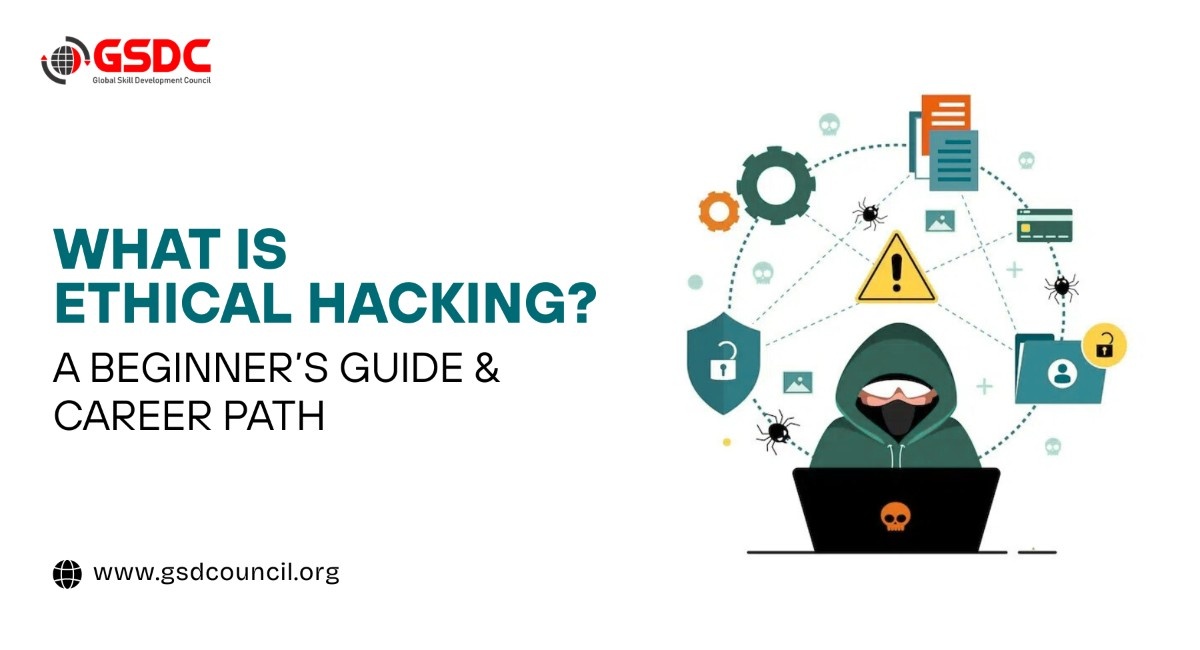
Ethical hacking is the legal and professional practice of testing computer systems, networks, and applications to identify vulnerabilities before malicious hackers can exploit them. Unlike illegal hacking, ethical hacking is performed with authorization and aims to protect digital assets, strengthen security, and ensure the integrity of IT systems.
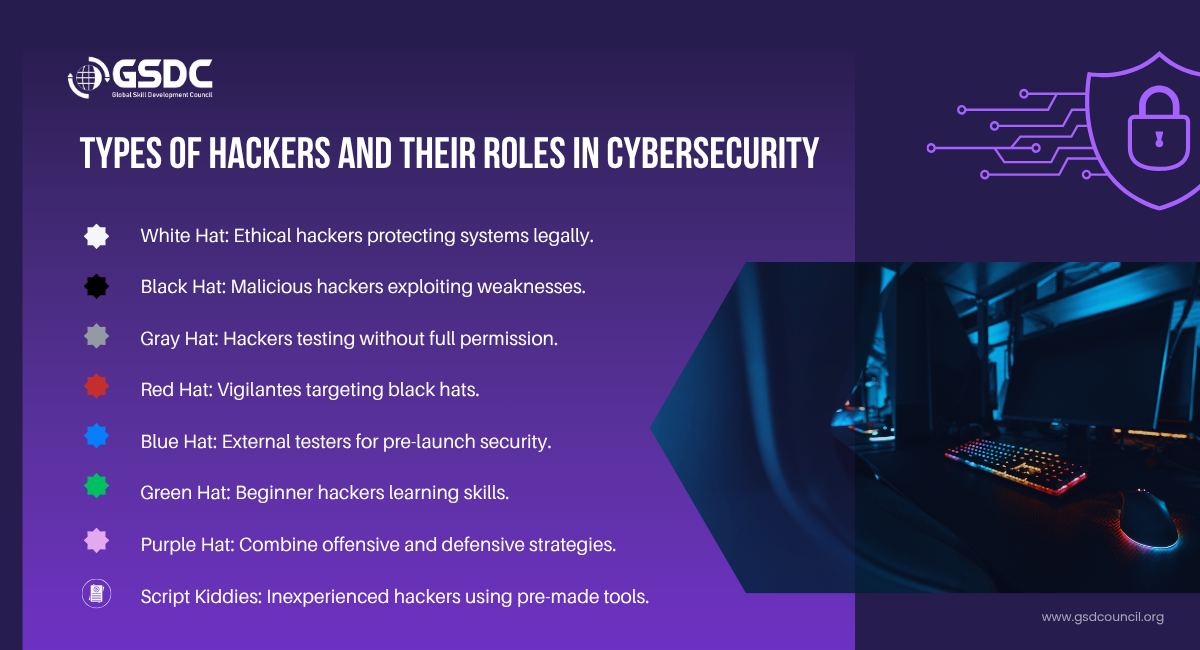 The main difference between ethical hacking and malicious hacking lies in intent and permission:
- Ethical hackers (or white hat hackers) work with organizations’ consent to proactively discover and fix security weaknesses.
- Malicious hackers (black hat hackers) exploit vulnerabilities illegally for personal gain, data theft, or disruption.
White hat hackers play a critical role in securing IT infrastructure. They simulate real-world cyberattacks to identify weaknesses in networks, applications, and systems. By doing so, they help organizations:
- Strengthen their security posture.
- Comply with cybersecurity standards and regulations.
- Reduce the risk of cyberattacks and data breaches.
In essence, ethical hacking transforms potential threats into opportunities for improving cybersecurity, ensuring organizations stay one step ahead of attackers.
Why Ethical Hacking is Crucial for Modern Cybersecurity
As cyber threats grow more sophisticated, ethical hacking is crucial. Hackers constantly target weaknesses in networks, applications, and systems, and ethical hackers protect IT infrastructure by identifying these vulnerabilities before they can be exploited.
By simulating real-world attacks in a controlled, authorized environment, ethical hackers help organizations:
- Preventing Data Breaches: By discovering vulnerabilities in networks, applications, and systems, ethical hackers help prevent unauthorized access to sensitive data.
- Protecting Financial Assets: Cyberattacks can lead to significant financial losses. Ethical hacking reduces the risk of costly breaches, fraud, and ransomware attacks.
- Maintaining Regulatory Compliance: Many industries require adherence to security standards such as GDPR, HIPAA, or ISO 27001. Ethical hacking ensures organizations meet these requirements.
- Safeguarding Reputation: A security breach can damage customer trust and brand reputation. Proactive ethical hacking demonstrates a commitment to cybersecurity and customer protection.
- Risk Management: Ethical hackers help organizations assess potential threats, prioritize security measures, and reduce overall cyber risk exposure.
- Improving System Resilience: Ethical hacking identifies weak points and provides actionable solutions, making systems stronger and more resistant to attacks.
- Incident Response Preparedness: Organizations can test their response plans during ethical hacking assessments, ensuring they are ready to react swiftly to real attacks.
Investing in ethical hacking helps organizations prevent financial losses and reputational damage while demonstrating a commitment to IT security. As technology advances, ethical hackers remain vital to a strong cybersecurity strategy. Certifications from the GSDC further validate these skills, empowering professionals to meet global cybersecurity standards.
Essential Skills Every Ethical Hacker Must Master
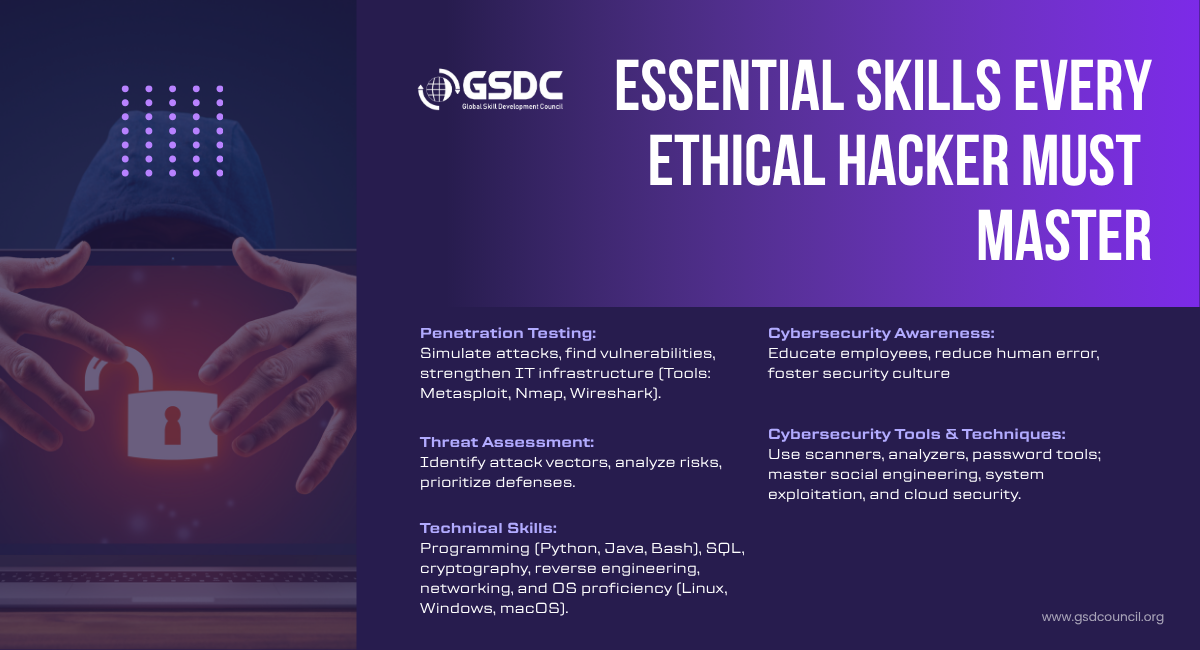
Becoming an effective ethical hacker requires technical expertise, analytical thinking, and practical experience. Organizations depend on them to protect systems and networks from cyber threats, making these skills essential for anyone pursuing a career in cybersecurity.
1. Penetration Testing
Penetration testing is the ability to simulate real-world cyberattacks to identify vulnerabilities in networks, applications, and systems. Ethical hackers use this skill to:
- Test security defenses before attackers exploit weaknesses.
- Evaluate system configurations and protocols for potential vulnerabilities.
- Provide actionable recommendations to strengthen IT infrastructure.
Tools like Metasploit, Nmap, and Wireshark are commonly used for penetration testing, enabling ethical hackers to identify flaws and monitor system behavior under attack scenarios.
2. Threat Assessment and Analysis
Ethical hackers must be skilled in assessing threats and analyzing security risks. This includes:
- Identifying potential attack vectors across systems, networks, and applications.
- Evaluating the severity and impact of vulnerabilities.
- Developing strategies to mitigate risks and enhance cybersecurity posture.
This skill helps organizations prioritize security measures and allocate resources efficiently to address the most critical threats.
3. Cybersecurity Awareness
A strong understanding of cybersecurity awareness allows ethical hackers to anticipate methods used by malicious actors. They:
- Educate employees on common threats such as phishing, malware, and social engineering.
- Implement best practices to reduce human error in cybersecurity.
- Foster a culture of security within organizations.
4. Mastery of Cybersecurity Tools and Techniques
Ethical hackers rely on a variety of cybersecurity tools and techniques to identify and resolve vulnerabilities:
- Network Scanning Tools: Nmap, Netcat for mapping and analyzing networks.
- Vulnerability Scanners: Nessus, OpenVAS to detect system weaknesses.
- Password Cracking Tools: John the Ripper, Hydra to test password strength.
- Protocol Analyzers: Wireshark for monitoring network traffic.
Beyond tools, ethical hackers must also understand advanced techniques such as social engineering, system exploitation, wireless hacking, and cloud security assessments.
5. Additional Technical Skills
To be effective, ethical hackers also require:
- Programming & Scripting: Knowledge of Python, Java, Bash, or PHP for creating custom tools and analyzing code.
- Database Management & SQL Skills: Understanding DBMS and SQL injection vulnerabilities.
- Cryptography: Familiarity with encryption and decryption techniques, SSL/TLS, and VPNs.
- Reverse Engineering: Ability to analyze malware, binaries, and software vulnerabilities.
- Networking & Wireless Technologies: Understanding network protocols, firewalls, IDS/IPS systems, and wireless security standards.
- Operating Systems & Linux Proficiency: Strong command of Linux, Windows, and macOS, along with security tool usage.
Why These Skills Matter
Organizations increasingly depend on technology, making it crucial to identify and fix weaknesses before they are exploited. Ethical hackers with these skills help businesses strengthen security, prevent breaches, and build trust with clients and stakeholders.
Professionals can strengthen these capabilities through the Certified Ethical Hacking Foundation (CEHF) program, which builds practical skills in penetration testing, vulnerability assessment, and network defense.
Download the checklist for the following benefits:
🔍 Learn the most common cyber threats
🕵️♂️ See how ethical hackers defend against them
Career Opportunities and Roles
The field of cybersecurity offers diverse career opportunities with growing demand and competitive salaries. One of the most sought-after roles is ethical hacking, where professionals test systems and networks to identify vulnerabilities before they are exploited.
1. Ethical Hacker: Also called white hat hackers, they simulate cyberattacks to strengthen security. According to Salary.com, the average US salary is $105,604/year ($51/hr), ranging from $89,231 to $118,407. Advanced certifications in penetration testing or network security can boost earnings.
2. Penetration Tester: Specializes in exploiting vulnerabilities in systems, web apps, or cloud infrastructure. As per ZipRecruiter, the average US salary is $119,895/year ($57.64/hr), with top earners making up to $158,500.
3. Security Analyst Monitors systems, responds to incidents, and ensures compliance. According to Glassdoor, average pay is $7,280/year, with additional compensation around $643/year.
4. Network Security Engineer: Designs and maintains secure networks, including firewalls and VPNs. Glassdoor reports an average base pay of $9,800/year, with additional compensation of $857/year.
Other Career Paths for Cybersecurity Professionals
Beyond these core roles, cybersecurity professionals can also explore positions such as security consultant, cloud security specialist, malware analyst, or cybersecurity auditor. With increasing digital reliance across industries, career growth and salary potential continue to expand.
In summary, for individuals with the right ethical hacker skills and certifications, the cybersecurity industry offers not only lucrative salaries but also opportunities for continuous learning and career advancement in areas likenetwork security and penetration testing.
How GSDC Certificate Helps in Cybersecurity Career
Professional certifications are essential for cybersecurity professionals to validate their skills and advance their careers. They provide up-to-date knowledge on ethical hacking techniques, cybersecurity tools, and threat mitigation, helping professionals stay ahead of cyber threats.
The Certified Ethical Hacking Foundation and the GSDC Certificate are globally recognized credentials that equip IT and cybersecurity enthusiasts with practical skills and industry-relevant knowledge. Completing these programs helps professionals gain confidence, enhance credibility, and improve opportunities in roles related to ethical hacking and network security.

Conclusion: Strengthen Your Cybersecurity with Ethical Hacking
Ethical hacking is essential for protecting digital systems, strengthening IT security, and defending against cyber threats. By identifying vulnerabilities before malicious hackers can exploit them, ethical hackers help maintain robust network security and safeguard sensitive data. Hands-on training and practical experience enhance skills in cybersecurity tools, techniques, and threat mitigation, while fostering greater security awareness.
Aspiring ethical hackers should pursue comprehensive courses, gain real-world experience through simulations and projects, and continuously update their skills to stay ahead of emerging threats. Staying proficient in the latest cybersecurity practices is crucial for building a successful and resilient career in the field.

Related Certifications
Stay up-to-date with the latest news, trends, and resources in GSDC
If you like this read then make sure to check out our previous blogs: Cracking Onboarding Challenges: Fresher Success Unveiled
Not sure which certification to pursue? Our advisors will help you decide!