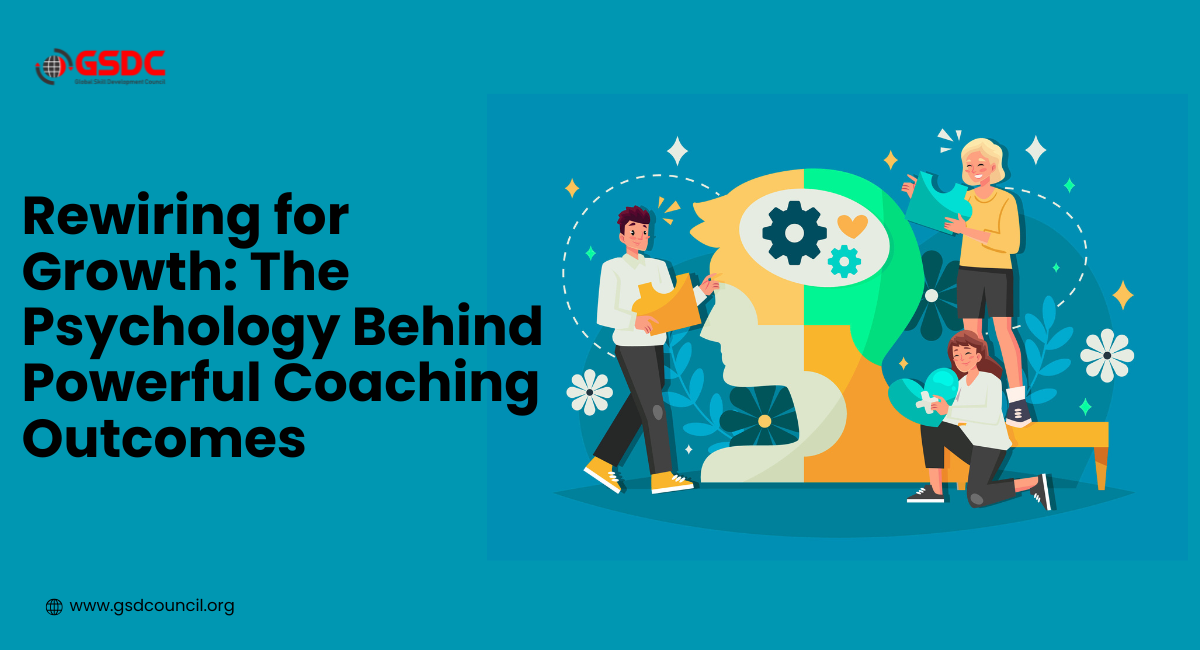
Rewiring for Growth: The Psychology Behind Powerful Coaching Outcomes
Written by Catherine Li-Yunxia
In today’s complex and fast-changing world, coaching is no longer just about providing tools, strategies, or performance tips. While frameworks and methodologies are useful, they often fall short of delivering long-term transformation. Real growth goes deeper; it requires rewiring the way leaders think, feel, and show up in the world.
That’s where psychology in coaching becomes a game-changer. Rather than simply focusing on surface-level skills, effective coaching explores identity, behavior, and emotional alignment. This shift moves coaching from being transactional, “fixing problems,” to transformational, creating lasting impact for leaders and organizations alike.
In her recent Professional Coaching Webinar titled “Rewire for Growth: The Psychology Behind Powerful Coaching Outcomes”, Catherine Li-Yunxia unpacked this idea with depth and clarity. As part of the Positive Psychology Coaching Series, her session blended neuroscience, emotional intelligence, and practical coaching frameworks. The result? A clear roadmap for coaches and leaders who want to harness the power of psychology for meaningful transformation.
Webinar Summary: What Was Discussed
Catherine opened the session by addressing a common frustration in coaching: insight alone doesn’t guarantee change. Many leaders attend training programs, read books, or reflect on their patterns. They gain awareness, but weeks later, they find themselves back in the same habits.
Why? Because the human brain resists uncertainty and defaults to familiar patterns. Change feels risky, and unless rewiring happens at a deeper psychological level, old identities and behaviors take over.
Her webinar covered several powerful ideas:
- Why awareness isn’t enough: Knowledge may spark an initial shift, but without new habits and identity work, leaders fall back into old cycles.
- How identity shapes outcomes: Leaders don’t just act from skills; they act from who they believe they are. Identity sits at the root of behavior.
- The role of emotional intelligence in coaching: Empathy, presence, and nervous system regulation create the safety necessary for growth.
- The science of reflection: When leaders slow down, the brain’s Default Mode Network (DMN) activates, allowing deeper integration of insights.
- Four layers of transformation: True coaching transformation involves aligning mindset, emotions, identity, and behaviors.
This executive coaching webinar emphasized that coaching must go beyond conversations. It requires both psychological insight and structured action plans, a combination that creates sustainable change.
Key Learnings from the Coaching Certification Journey
Throughout the session, Catherine drew from her experience coaching senior executives and guiding students in online coaching certification webinars. Her key learnings highlight why psychology and emotional intelligence are essential in modern coaching:
- Start with mindset, but don’t stop there: Beliefs are powerful, but they are only the beginning. Unless emotions and identity shift too, change remains fragile.
- Emotional intelligence coaching growth: Coaching isn’t just about questions; it’s about creating safety. Leaders thrive when coaches model empathy, regulation, and presence.
- Identity shapes behavior: If someone sees themselves as a “fixer” or “controller,” they’ll keep acting that way no matter how much training they receive. Coaching must address this root identity.
- Somatic awareness is powerful: Our bodies hold stress and memory. Simple practices like conscious breathing, grounding, and posture shifts help leaders regulate and think clearly.
- Micro-practices build resilience: Growth isn’t about one-off breakthroughs. Daily rituals, journaling, reflection, and gratitude gradually rewire neural pathways.
- Disruptive questions unlock clarity: Coaches must be bold. By asking challenging questions, they disrupt assumptions that keep leaders stuck.
- Certification strengthens practice: A structured coaching certification provides the frameworks and supervision coaches need to apply these concepts effectively.
For professionals exploring career coaching webinars or professional development coaching, these lessons show why psychology is no longer optional; it’s the foundation of sustainable growth.
Real-World Example: Coaching + Psychology = Powerful Outcomes
To illustrate how this works in practice, Catherine shared the story of a results-driven CEO. He was known for pushing his teams hard, monitoring every detail, and driving relentless performance. But behind the success lay a problem: lack of trust, poor delegation, and rising burnout across the organization.
At first glance, one might say he needed better “leadership skills.” But coaching uncovered something deeper:
- Mindset Shift: He initially believed, “If I don’t control everything, things will fall apart.” Coaching helped him reframe this into, “I create systems that ensure outcomes without needing to micromanage.”
- Emotional Unpacking: Beneath his behavior was a fear of failure and insecurity about being seen as “weak.” Naming and addressing this fear reduced its power.
- Identity Work: He no longer saw himself as just “the controller.” Instead, he embraced a new identity as “the builder of people and systems.”
- Behavioral Change: As his identity shifted, he began delegating more, trusting his team, and leading with balance.
This transformation didn’t happen overnight, but the results were profound: greater team trust, more sustainable growth, and a leader who was not only effective but also respected and trusted.
This story illustrates why psychology and emotional intelligence in coaching are vital. A surface-level focus on skills would not have addressed the CEO’s deeper fears and identity patterns. But with psychological coaching, his growth became not just possible but sustainable.
Why Psychology Matters in Coaching Certification
As Catherine emphasized, psychology is not an “add-on” in coaching; it’s central. Coaches who understand emotional intelligence, identity work, and somatic practices are better equipped to create breakthroughs.
The GSDC’s Professional Coaching Certification equips individuals with the skills, tools, and frameworks to become impactful coaches who drive personal and organizational growth. Rooted in global standards, it emphasizes communication, emotional intelligence, and goal alignment, preparing professionals to inspire transformation, enhance performance, and build strong leadership capabilities across industries. Ideal for aspiring and experienced coaches alike.
That’s why a structured professional coaching masterclass or online certification webinar is so valuable. It doesn’t just teach techniques, it trains coaches to:
- Navigate emotional complexity.
- Recognize identity-driven behaviors.
- Use neuroscience-backed practices for growth.
- Guide clients through reflection, action, and rewiring.
For aspiring or practicing coaches, certification provides the tools to bring psychology into coaching ethically and effectively.

Conclusion
The psychology of powerful coaching outcomes teaches us one thing: lasting change doesn’t come from surface-level tools. It requires transformation at four levels: mindset, emotions, identity, and behaviors. Without aligning these layers, change is temporary at best.
Catherine Li-Yunxia’s professional coaching webinar showed that leaders need more than insight. They need courage, emotional intelligence, and structured support to rewire old patterns. For coaches, this means investing in their own growth through coach training webinars, executive coaching masterclasses, and online coaching certifications.
As coaching evolves, those who integrate psychology, neuroscience, and emotional intelligence will be the ones driving sustainable leadership transformation. They won’t just help clients achieve goals, they’ll help them become the kind of leaders who thrive in uncertainty, build trust, and create meaningful growth.
FAQ’s
- What does emotional intelligence mean in coaching?
It’s the ability to regulate your emotions, read others’ emotions, and create a safe, trust-based environment that enables transformation. - Why isn’t awareness alone enough for change?
Awareness activates insight, but the brain resists uncertainty; without practice, old habits return. - What are the four layers of transformation?
Mindset, emotions, identity, and behaviors all must align for lasting growth. - How does identity influence leadership behavior?
Leaders act from identity patterns (e.g., “controller” or “fixer”), which drive their choices and interactions. - What role does the nervous system play in coaching?
A regulated nervous system enables presence, calm decision-making, and stronger emotional intelligence. - Why is slowing down important for leaders?
Reflection activates the Default Mode Network, helping leaders integrate insights and see connections. - What are somatic practices in coaching?
Body-based techniques such as grounding, breathwork, and posture help regulate emotions. - How do disruptive questions help in coaching?
They challenge hidden assumptions and push leaders to consider new perspectives. - What are micro-practices?
Small, daily habits like journaling, reflection, or gratitude exercises that gradually rewire the brain. - What is a macro practice?
A larger, structured practice, such as a weekly reflection ritual that deepens identity change. - Why do leaders resist coaching?
Because change threatens their sense of certainty and identity, creating internal resistance. - How does emotional intelligence in coaching build trust?
It creates safety, empathy, and connection, without which coaching outcomes remain superficial. - Can AI support emotional intelligence in coaching?
Yes, AI tools can scale progress tracking, while human coaches bring empathy and connection. - How does psychology apply to executive coaching?
By uncovering mental and emotional patterns that shape leadership behaviors. - What makes behavior change sustainable?
When it’s supported by identity and emotional shifts, not just mindset adjustments. - Why is certification important for coaches?
Certification provides structured training to work across psychological, emotional, and behavioral dimensions. - How can positive psychology enhance coaching?
It helps leaders focus on strengths, resilience, and well-being, not just problems. - What’s the difference between advice and coaching?
Advice provides solutions; coaching guides leaders to uncover their own answers and identity shifts. - What practices help coaches grow?
Continuous reflection, supervision, certification programs, and applying micro-practices in real life. - How do coaching webinars support career development?
They provide insights, tools, and real-world examples that help professionals grow into effective, emotionally intelligent leaders.

Related Certifications
Stay up-to-date with the latest news, trends, and resources in GSDC
If you like this read then make sure to check out our previous blogs: Cracking Onboarding Challenges: Fresher Success Unveiled
Not sure which certification to pursue? Our advisors will help you decide!