Master Full-Stack Development in 2025: Step-by-Step Guide for Aspiring Pros
Written by Matthew Hale
- What Is a Full-Stack Developer?
- Skills to Have: Essential for Full-Stack Development
- Roadmap Insight: Essential Steps for Success in Full-Stack Development
- Salary Trends: Full-Stack Developer Salary in 2025
- How to Become a Full Stack Developer with No Experience
- Your Path to Full-Stack Mastery in 2025
- FAQs:
The world of web development has changed incredibly quickly, and there has never been a greater need for full-stack developers than there is now, in 2025.
If you're looking to become a full-stack developer and carve out a rewarding career in tech, you’re in the right place.
We'll talk about how to become a full-stack developer, the most important skills you need, the technologies you should learn, and how to stand out in the web development field, which is growing all the time.
What Is a Full-Stack Developer?
A full-stack developer is a versatile software professional who handles both the front-end and back-end development of web applications.
These developers are proficient in a broad range of technologies and skills, capable of creating everything from dynamic user interfaces to robust server-side logic.
Whether it’s designing an intuitive UI or managing databases and server-side applications, full-stack developers are integral to the entire web development lifecycle.
As a full-stack developer, you’re expected to have expertise in both client-side and server-side development, and your ability to work across multiple technologies gives you the flexibility to work on various types of web applications.
Skills to Have: Essential for Full-Stack Development
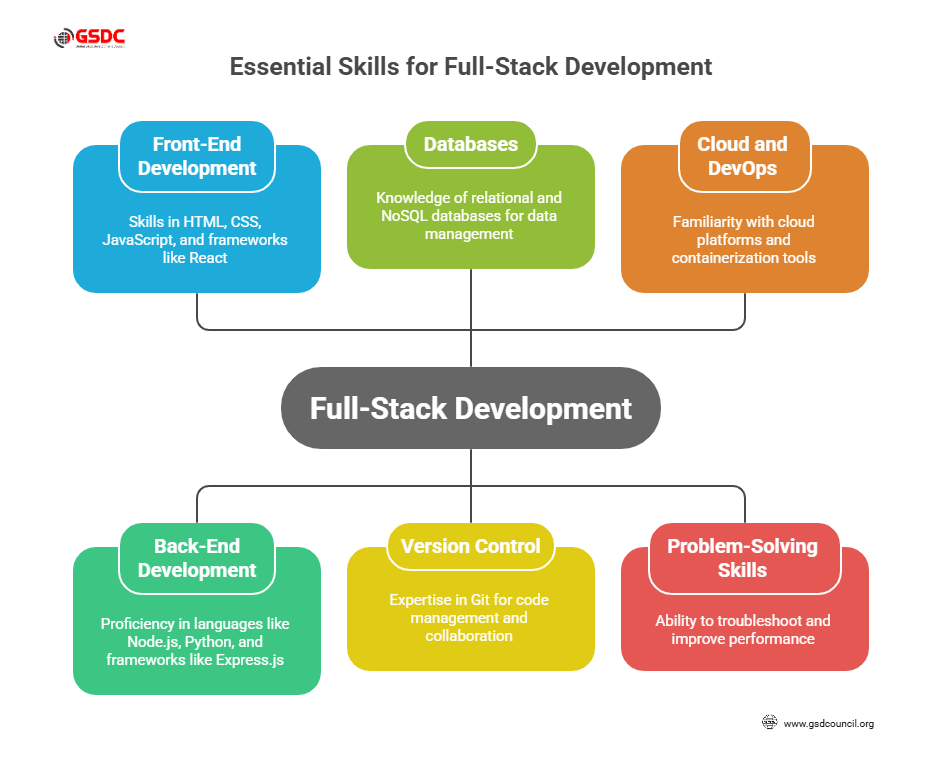
To become a full-stack developer, there are several core skills and technologies you need to master. These include, but are not limited to:
- Front-End Development: This is the part of the application that users interact with. You’ll need to be comfortable with HTML, CSS, JavaScript, and front-end frameworks like React, Angular, or Vue.js.
- Back-End Development: On the back end, you'll work with languages like Node.js, Python, Ruby, Java, and frameworks like Express.js, Django, or Ruby on Rails.
- Databases: Knowledge of relational databases like MySQL, PostgreSQL, and NoSQL databases like MongoDB is essential for data management in full-stack development.
- Version Control: Being proficient in Git is necessary for collaboration and managing your code efficiently.
- Cloud and DevOps: Familiarity with cloud platforms like AWS, Azure, and containerization tools like Docker is becoming essential for full-stack development in today’s tech world.
Roadmap Insight: Essential Steps for Success in Full-Stack Development
Full-stack development is a highly dynamic and rewarding field. To help you get started on your journey, here's a step-by-step roadmap to becoming a skilled full-stack developer in 2025:
1. Start with the Basics
The foundation of your full-stack development journey should be laid by learning the basic technologies:
- HTML: This is the backbone of any webpage.
- CSS: Used for styling and ensuring your website is visually appealing.
- JavaScript: This makes your site interactive and adds functionality.
Once you have a good grasp of these technologies, you can progress to more complex subjects.
2. Master Front-End Frameworks
Knowing basic front-end technologies isn’t enough. Full-stack developers need to be proficient in modern frameworks like:
- React: Popular for building interactive user interfaces.
- Vue.js and Angular: Other commonly used frameworks in the industry.
By mastering these, you’ll be able to build dynamic and scalable web applications.
3. Move to Back-End Development
Once you're comfortable with front-end technologies, the next step is to dive into back-end development. Some of the top technologies used in this area include:
- Node.js: This JavaScript runtime helps build scalable server-side applications.
- Python/Django: Known for its simplicity and speed in back-end development.
- Ruby on Rails and Java/Spring Boot: Popular choices for large-scale enterprise applications.
4. Understand Databases
Databases are essential to web applications. Whether you're using a relational database like MySQL or a NoSQL database like MongoDB, having a solid understanding of how to work with databases is key.
5. Learn DevOps and Cloud Technologies
Cloud technologies are central to the modern full-stack developer. Learn how to deploy and manage applications using AWS, Azure, and Docker. Understanding DevOps will also help streamline your development and deployment processes.
6. Build Projects and Gain Hands-On Experience
The best way to learn full-stack development is through practice. Build your own applications and contribute to open-source projects on GitHub. This will not only hone your skills but also create a portfolio to showcase to potential employers.
How Long Does It Take to Become a Full-Stack Developer?
One of the most common questions for aspiring developers is, "How long does it take to become a full-stack developer?"
The answer varies depending on your prior experience, the time you can dedicate, and the depth of knowledge you wish to achieve.
For a complete beginner, it typically takes anywhere from six months to a year to become proficient in full-stack development.
If you already have experience in front-end or back-end development, this timeline may be shorter. Ultimately, becoming a full-stack developer is a continuous learning process.
Even after landing a job, you'll need to keep up with new frameworks, technologies, and tools to stay competitive in the ever-evolving tech market.
Salary Trends: Full-Stack Developer Salary in 2025
The demand for full-stack developers continues to grow globally, and this is reflected in the full-stack developer salary trends. On average, a full-stack developer can expect to earn between $70,000 and $120,000 annually in the United States. Senior full-stack developers in tech hubs like San Francisco or New York can make upwards of $180,000 annually[4][5].
Internationally, full-stack developers can earn competitive salaries. For instance, in Canada, entry-level full-stack developers earn between $59,000 and $85,000, while senior developers make up to $108,000[1][4]. In the UK, the salary ranges from £36,000 to £65,000 for entry-level positions, with senior professionals earning up to £91,200[2][4].
The global demand for full-stack developers and the competitive salary prospects make this an attractive career path.
What Does A Full Stack Developer Do?
A full-stack developer is responsible for building and maintaining both the front-end and back-end of web applications. They are involved in everything from developing responsive user interfaces to creating server-side logic and integrating databases.
Some common responsibilities include:
- Developing web services and APIs.
- Collaborating with other team members to integrate front-end and back-end systems.
- Troubleshooting issues, debugging, and ensuring the application runs smoothly.
- Managing databases and ensuring data is properly stored and accessed.
How to Become a Full Stack Developer with No Experience
If you're wondering how to become a full-stack developer with no experience, it’s certainly possible. Here’s how to get started:
- Learn the Basics: Start with foundational languages like HTML, CSS, and JavaScript.
- Join Online Bootcamps: Structured programs such as GSDC's full-stack developer certification can provide you with the essential skills needed.
- Build Personal Projects: Hands-on practice is key. Start by creating small web applications and gradually move to more complex projects.
- Get Certified: Earning a full-stack developer certification from a recognized institution like GSDC will show potential employers that you have the skills required to succeed.
Essential Steps for Success
Becoming a full-stack developer requires continuous learning and improvement. Here’s a roadmap for success:
- Step 1: Master front-end technologies and frameworks.
- Step 2: Gain proficiency in back-end technologies.
- Step 3: Learn database management.
- Step 4: Understand cloud technologies and DevOps.
- Step 5: Build hands-on projects and showcase them in your portfolio.
- Step 6: Obtain a full-stack developer certification to validate your skills.
By following these steps and gaining the necessary skills and experience, you will be well on your way to a successful career in full-stack development.

Your Path to Full-Stack Mastery in 2025
Being a full-stack developer is still one of the best and most rewarding jobs in the tech business in 2025. Following the steps in this guide will help you reach your goals, whether you're starting from scratch or want to learn new things.
Being a full-stack developer means you can work on both the front-end and back-end of web apps, which makes you a very desirable worker.
The job market and salary possibilities in this field are growing, so now is the ideal time to start learning the skills you need to be successful in full-stack development.
Don't wait for the job market to pass you by. Start today, earn your full-stack developer certification, and begin building your career in one of the fastest-growing fields in technology.
FAQs:
1. How to become a full stack developer with no experience?
To become a full stack developer, start by learning the basics of web development, including HTML, CSS, and JavaScript. Then, you can move on to mastering front-end frameworks and back-end technologies. Enrolling in a full stack developer certification program can provide you with a structured approach and hands-on experience to make your learning more effective.
2. How to be a full stack developer in 2025?
In 2025, being a full stack developer means being well-versed in both front-end and back-end technologies, including HTML, CSS, JavaScript, Node.js, and databases like MongoDB or SQL. It’s essential to stay updated with the latest frameworks and tools. Earning a full stack developer certification will help validate your skills and make you a more attractive candidate in the competitive tech industry.
3. What is included in a full stack developer certification?
A full stack developer certification typically covers all the necessary skills, including front-end languages (HTML, CSS, JavaScript), popular frameworks (React, Angular), back-end technologies (Node.js, Python), and databases (MySQL, MongoDB). It also includes practical experience with tools like Git for version control, cloud services, and DevOps practices, all designed to make you job-ready.
4. How do I start on the path to become a full stack developer?
If you want to know how to become a full stack developer, start by learning basic web technologies like HTML, CSS, and JavaScript. Then, explore advanced frameworks for both front-end and back-end development. Building projects along the way is key. A full stack developer certification can provide you with a step-by-step path, giving you the tools and knowledge you need to succeed.
Related Certifications
Stay up-to-date with the latest news, trends, and resources in GSDC
If you like this read then make sure to check out our previous blogs: Cracking Onboarding Challenges: Fresher Success Unveiled
Not sure which certification to pursue? Our advisors will help you decide!