AI-Assisted Governance Readiness: From Risk Assessment to Practical Governance Workflows
Written by Ecaterina - Irina Manole
- Why Traditional AI Governance Is No Longer Enough
- The Growing Challenge of Shadow AI
- Rethinking Governance: From "Department of No" to Innovation Enabler
- Building an Effective AI Risk Assessment
- How AI Can Strengthen AI Risk Management
- Moving Beyond Policies with AI Governance Software
- Lead Responsible AI with AI GRC Expertise
- Conclusion
Artificial Intelligence is transforming businesses at an unprecedented pace. Organizations across industries are using AI to automate repetitive tasks, accelerate decision-making, improve customer experiences, and unlock new opportunities for innovation. However, as AI adoption accelerates, governance practices often struggle to keep pace.
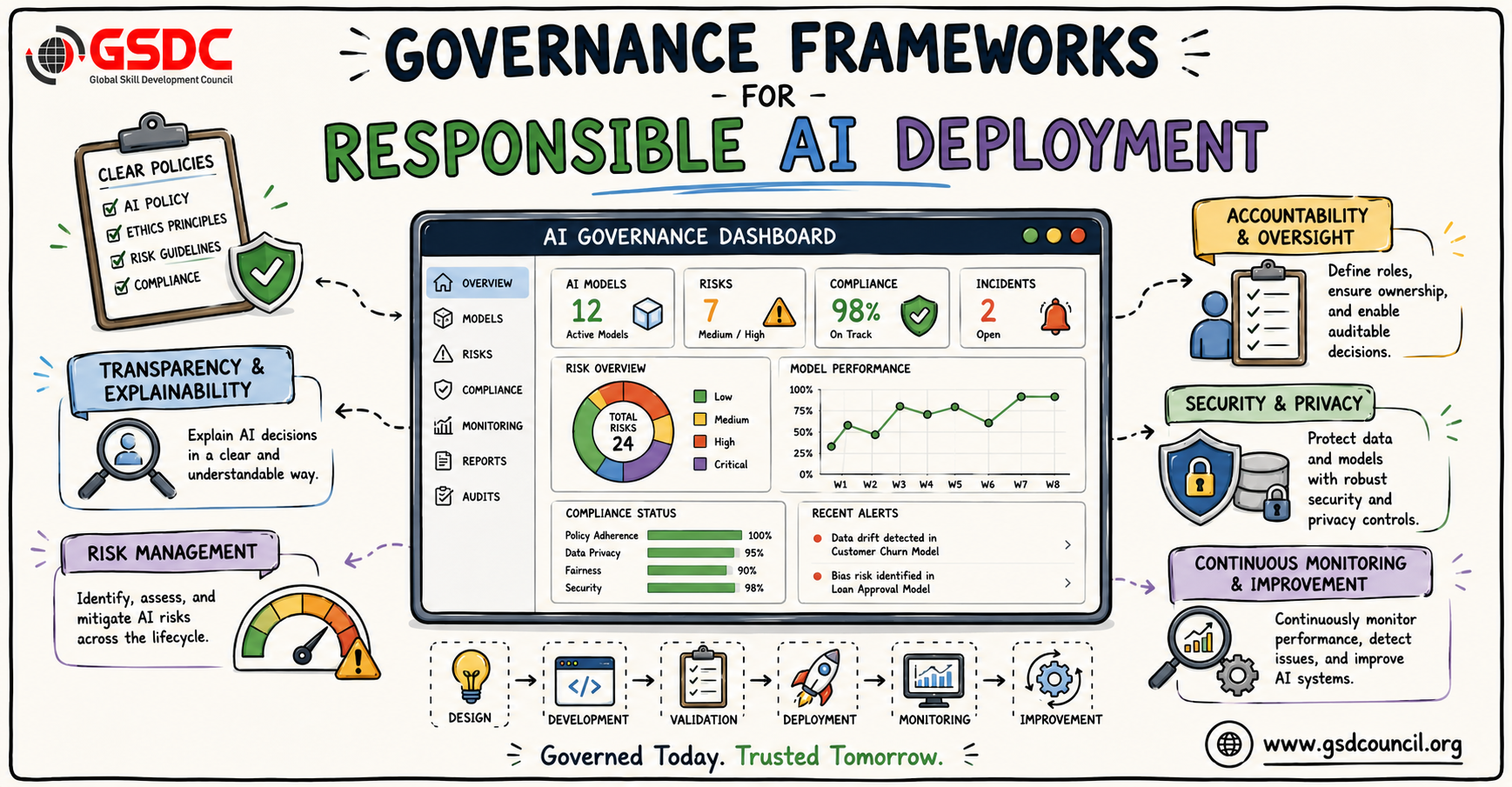
Many organizations find themselves asking an important question: What is AI governance, and how can it support innovation without slowing it down? The answer lies in building an effective AI governance framework that balances innovation, compliance, accountability, and risk management.
The webinar "AI-Assisted Governance Readiness: From Risk Assessment to Practical Governance Workflows" explored exactly this challenge. Instead of treating governance as a barrier to innovation, the session demonstrated how organizations can leverage AI itself to strengthen responsible AI governance, improve AI risk assessment, simplify AI compliance, and accelerate decision-making without sacrificing control.
Rather than relying on lengthy documentation and slow approval cycles, organizations can use AI to streamline governance processes, automate repetitive administrative work, and allow governance teams to focus on strategic decisions. This shift enables businesses to build enterprise AI governance models that are practical, scalable, and aligned with modern business needs.
Why Traditional AI Governance Is No Longer Enough
As AI evolves at an incredible pace, traditional governance approaches are struggling to keep up. Conventional processes built around lengthy approvals, manual reviews, and extensive documentation were designed for slower business environments not today's rapidly changing AI landscape.
With new AI tools and large language models emerging almost daily, organizations need governance that enables innovation rather than delaying it. The challenge isn't governance itself—it's outdated workflows that create unnecessary bottlenecks. Slow approvals, excessive paperwork, and multiple review layers can frustrate employees, delay business value, and overwhelm governance teams.
The webinar highlighted the need for a modern approach to AI governance implementation one that uses automation and intelligent workflows to streamline oversight while maintaining compliance, accountability, and effective AI risk management. Instead of acting as a roadblock, governance should empower organizations to adopt AI confidently, responsibly, and at scale.
The Growing Challenge of Shadow AI
One of the webinar's key discussions centered on the rise of Shadow AI the use of unauthorized AI tools outside an organization's approved systems. In most cases, employees aren't trying to bypass policies; they're simply looking for faster ways to get their work done.
For example, a marketing professional facing a tight deadline is unlikely to wait weeks for approval to use an AI assistant. Instead, they may turn to publicly available AI tools, often through personal devices or browsers, to complete the task quickly.
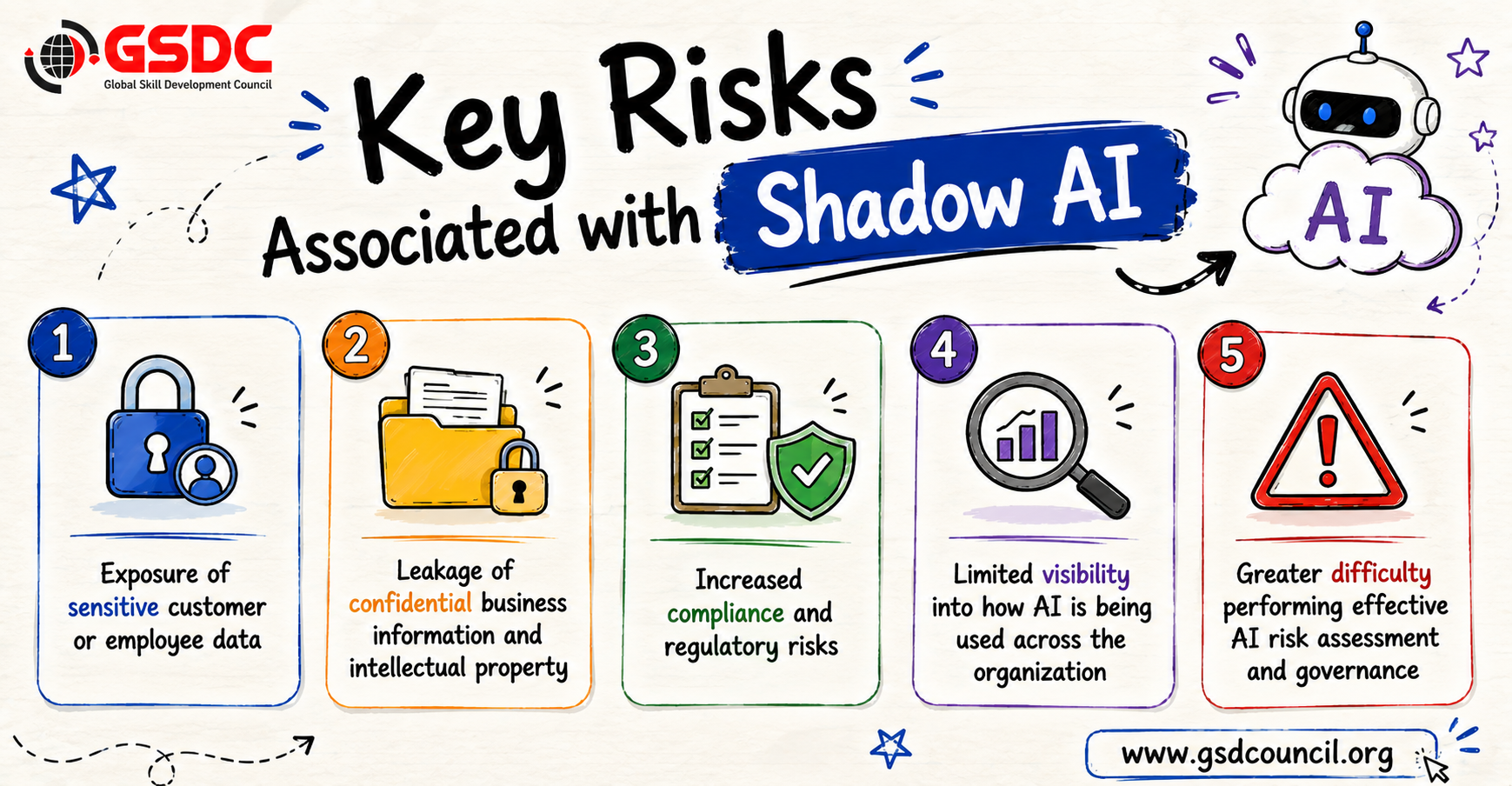
While convenient, Shadow AI creates serious AI security risks and reduces organizational visibility into AI usage. The webinar emphasized that stricter policies alone won't eliminate Shadow AI. In fact, overly complex governance processes can encourage employees to seek unofficial alternatives. The solution is to make approved AI tools and governance workflows faster, simpler, and more accessible than non-compliant options. When the compliant path is also the easiest, employees are far more likely to follow it.
Rethinking Governance: From "Department of No" to Innovation Enabler
One of the webinar's most memorable analogies compared AI governance to Formula 1 racing. Just as high-performance brakes don't slow a race car down they give drivers the confidence to go faster while staying in control an effective AI governance framework should enable innovation, not restrict it.
The same principle applies to responsible AI governance. With the right safeguards, oversight, and accountability in place, organizations can adopt AI more quickly and confidently.
However, many governance teams are still viewed as the "department of no" because AI initiatives often involve:
- Lengthy documentation requirements
- Multiple approval layers
- Repeated compliance reviews
- Slow decision-making and delayed deployments
The webinar encouraged organizations to rethink this approach. Modern governance should act as an innovation partner by creating clear, efficient pathways for AI adoption while ensuring compliance, transparency, and effective AI risk management. When governance is built to enable rather than block, businesses can innovate faster without compromising trust or control.
Building an Effective AI Risk Assessment
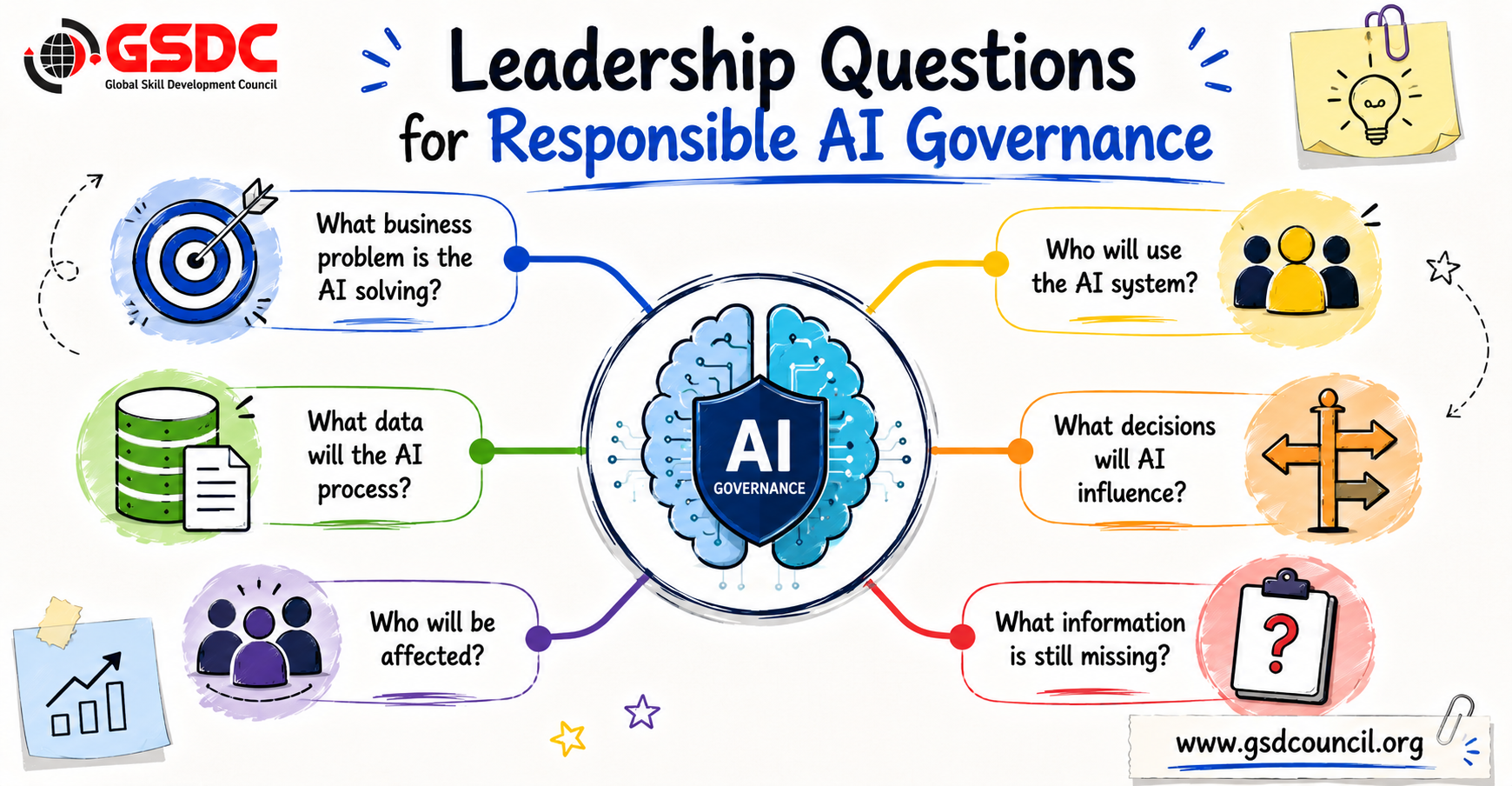
Before introducing any AI solution into business operations, organizations must first understand exactly what they are governing. The webinar explained that effective AI risk assessment begins with asking the right questions, not completing more paperwork. Leadership teams should establish a structured assessment baseline before approving any AI initiative.
The six essential questions include:
1. What business problem is the AI solving?
Every AI project should begin with a clearly defined business objective. Organizations should avoid implementing AI simply because the technology is available. Instead, they should identify measurable business outcomes that justify adoption.
2. Who will use the AI system?
Will the AI application support internal employees? Or will it directly interact with customers, suppliers, or external stakeholders? The answer significantly influences governance requirements and the overall AI risk management framework.
3. What data will the AI process?
Data is one of the most critical governance considerations. AI applications may process customer information, HR records, intellectual property, financial information, or personally identifiable information (PII). Understanding the type of data involved helps organizations evaluate privacy obligations, regulatory compliance, and potential AI security risk before deployment.
4. Who will be affected?
Governance should consider every stakeholder influenced by AI decisions. Affected stakeholders may include employees, customers, applicants, business partners, regulators, or even society at large. Thinking broadly about impact supports more responsible AI practices.
5. What decisions will AI influence?
An AI system that drafts marketing emails carries very different risks from one that evaluates job candidates or recommends loan approvals. Understanding decision impact helps organizations determine appropriate governance controls and levels of human oversight.
6. What information is still missing?
Perhaps the most valuable governance question is identifying unknowns. Instead of assuming proposals contain complete information, organizations should actively search for missing details before approving AI initiatives.
This simple question often uncovers governance gaps that would otherwise remain hidden until much later in the implementation process.
How AI Can Strengthen AI Risk Management
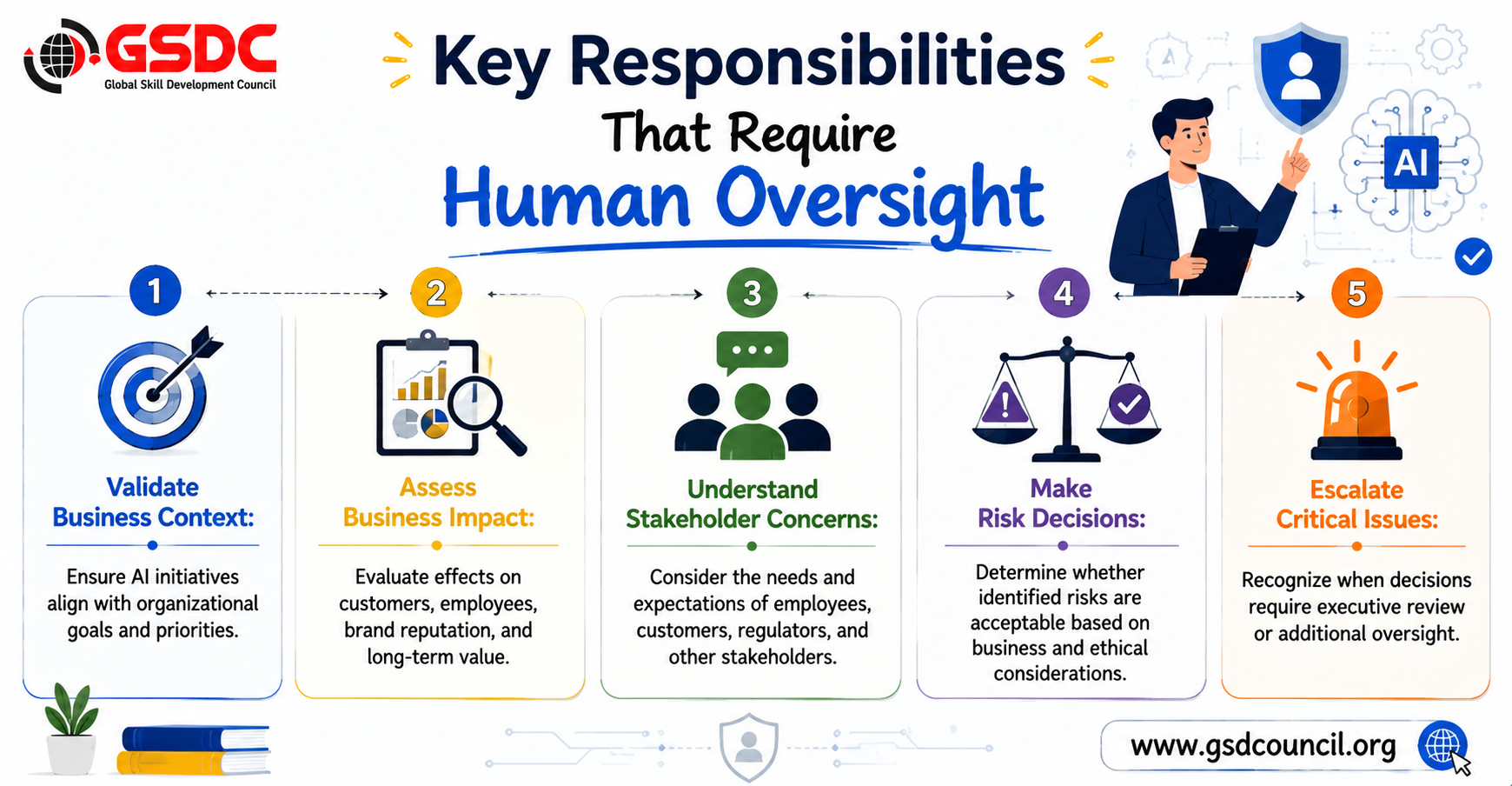
A central message throughout the webinar was that AI should support governance—not replace it.
Rather than automating decision-making, AI can automate preparation.
For example, the webinar demonstrated how a simple HR proposal requesting an AI tool for interview summaries could be transformed into a structured governance intake within seconds.
Instead of reviewing a vague paragraph, governance teams receive:
- A clear business use case
- Target users
- Data processing overview
- Stakeholder analysis
- Preliminary risk classification
- Missing governance information
- Follow-up questions for leadership
This dramatically improves AI risk management while reducing administrative effort.
Instead of spending valuable time organizing information, governance professionals can focus on evaluating risk, making informed decisions, and ensuring compliance.
Modern AI governance software and an AI governance platform can further support this process by standardizing governance workflows, maintaining evidence, and improving collaboration across business, legal, compliance, and technology teams.
Moving Beyond Policies with AI Governance Software
Many organizations spend significant time writing governance policies, yet struggle to translate those policies into everyday business operations.
The webinar introduced an AI-assisted approach that converts governance documentation into practical governance artifacts.
Instead of asking managers to manually draft governance charters from scratch, AI can help generate standardized governance documents after the initial AI risk assessment is complete.
Using structured prompts, AI can automatically organize governance information into a professional project charter containing:
- Project identification and business objectives
- Risk classification
- Data privacy boundaries
- Human oversight requirements
- Evidence collection requirements
- Audit readiness information
This dramatically reduces administrative work while ensuring consistency across governance reviews.
Modern AI governance software and an AI governance platform can support this process by standardizing governance documentation, maintaining centralized records, and enabling collaboration between business, legal, compliance, and technology teams. Instead of spending hours formatting documents, governance professionals can focus on evaluating business impact and strengthening AI compliance.
Lead Responsible AI with AI GRC Expertise
As AI adoption continues to grow, organizations need professionals who can balance innovation with governance. GSDC's Certified AI GRC Professional Certification equips learners with the practical skills to implement effective AI governance, manage AI risks, ensure AI compliance, and support responsible AI adoption across the enterprise.
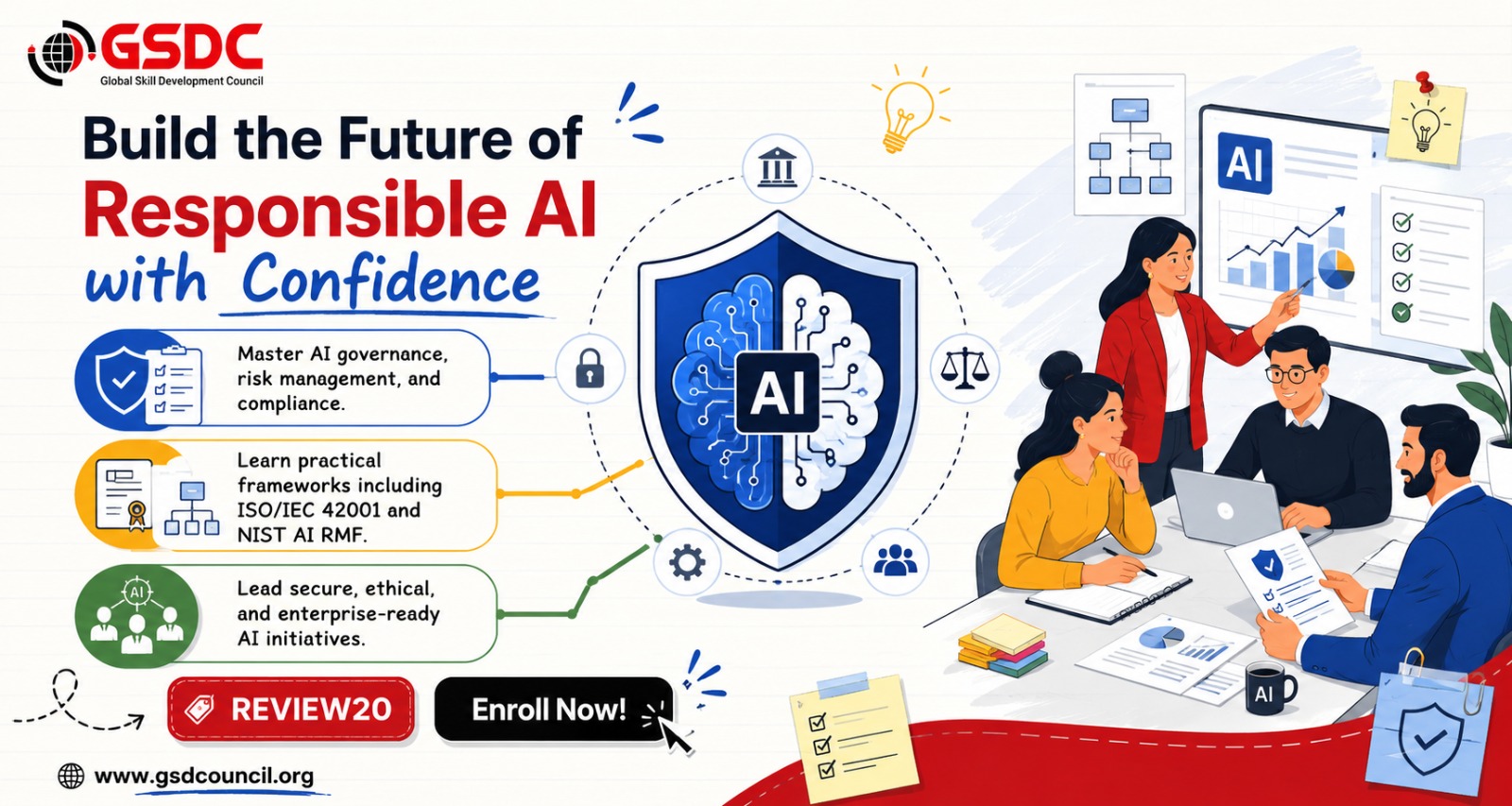
The Certified AI GRC Professional Certification covers AI governance frameworks, AI risk management, AI lifecycle governance, AI risk assessments, governance policies, and globally recognized standards such as ISO/IEC 42001 and the NIST AI Risk Management Framework (AI RMF). Through practical use cases and real-world implementation strategies, participants learn how to establish scalable governance processes, strengthen regulatory compliance, and enable secure, ethical, and trustworthy AI deployment.
Conclusion
As AI adoption accelerates, organizations need governance that enables innovation not slows it down. Modern AI governance combines practical workflows, AI risk assessment, AI-assisted automation, and human oversight to ensure compliance, transparency, and accountability.
By implementing a scalable AI governance framework, businesses can strengthen enterprise AI governance, reduce AI security risk, and support responsible AI adoption without sacrificing speed. As regulations evolve, expertise in AI governance implementation and AI risk management will become a critical capability for every organization.

Related Certifications
Frequently Asked Questions
AI governance is a framework of policies, processes, and controls that ensures AI is used responsibly, securely, and in compliance with regulations while supporting innovation.
It automates routine tasks, identifies potential risks, and speeds up assessments, allowing governance teams to focus on informed decision-making.
Shadow AI is the use of unauthorized AI tools by employees. It increases AI security risk and reduces governance visibility, making compliant AI alternatives essential.
Human oversight ensures accountability, validates AI outputs, assesses ethical implications, and makes final governance decisions.
Start with clear policies, conduct AI risk assessments, embed governance into daily workflows, maintain audit evidence, and use AI governance tools to improve consistency and scalability.
Stay up-to-date with the latest news, trends, and resources in GSDC
If you like this read then make sure to check out our previous blogs: Cracking Onboarding Challenges: Fresher Success Unveiled
Not sure which certification to pursue? Our advisors will help you decide!