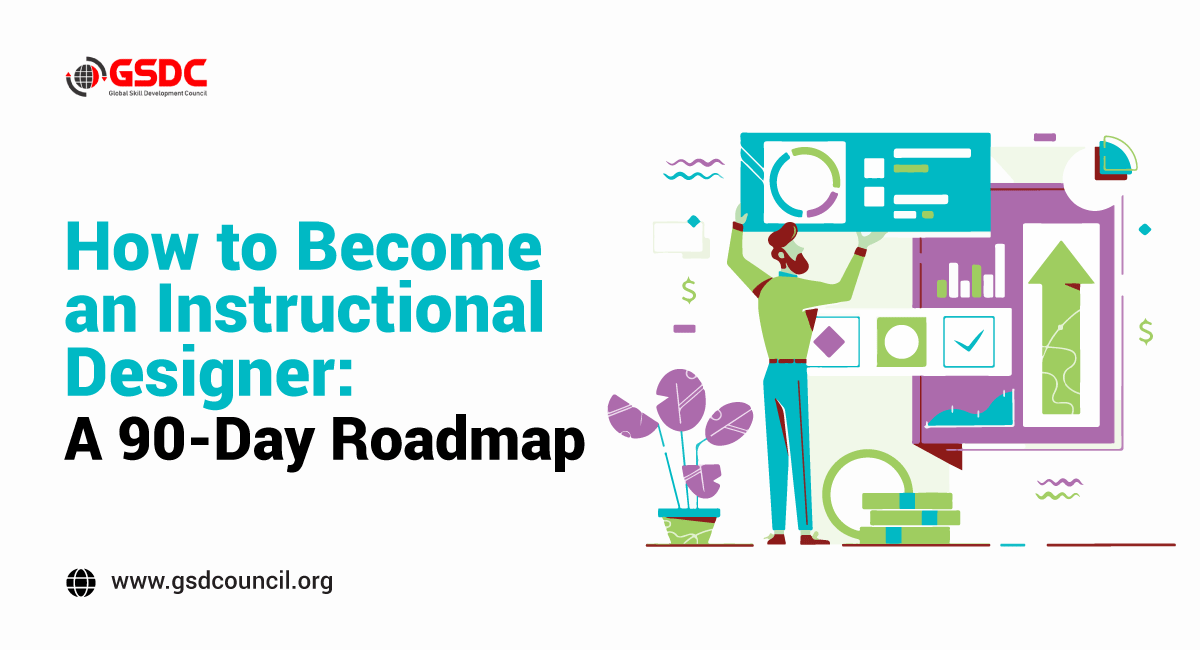
How to Become an Instructional Designer: A 90-Day Roadmap
Written by Matthew Hale
- What Is an Instructional Designer?
- Why Is Instructional Design Important?
- Instructional Designer Job Description and Career Outlook
- A 90-Day Instructional Design Roadmap to Start Your Career
- Essential Instructional Designer Skills for Career Growth
- Advance Your Career with a Certified Instructional Designer Certification
- Final Thoughts
Every day, millions of people learn through programs designed by an instructional designer, whether in classrooms, corporate training sessions, online courses, or professional development workshops.
From training videos at work to instructional learning modules, instructional designers are at the center of it all.
This rising need has prompted a lot of professionals to ask: how to become an instructional designer?
To answer that question, this guide explains what is an instructional designer, explores the instructional designer job description, outlines essential instructional designer skills, and provides a practical instructional design roadmap to help you start building the capabilities needed for this role within 90 days.
What Is an Instructional Designer?
It is important to understand what is an instructional designer, before we get into the career path of an instructional designer.
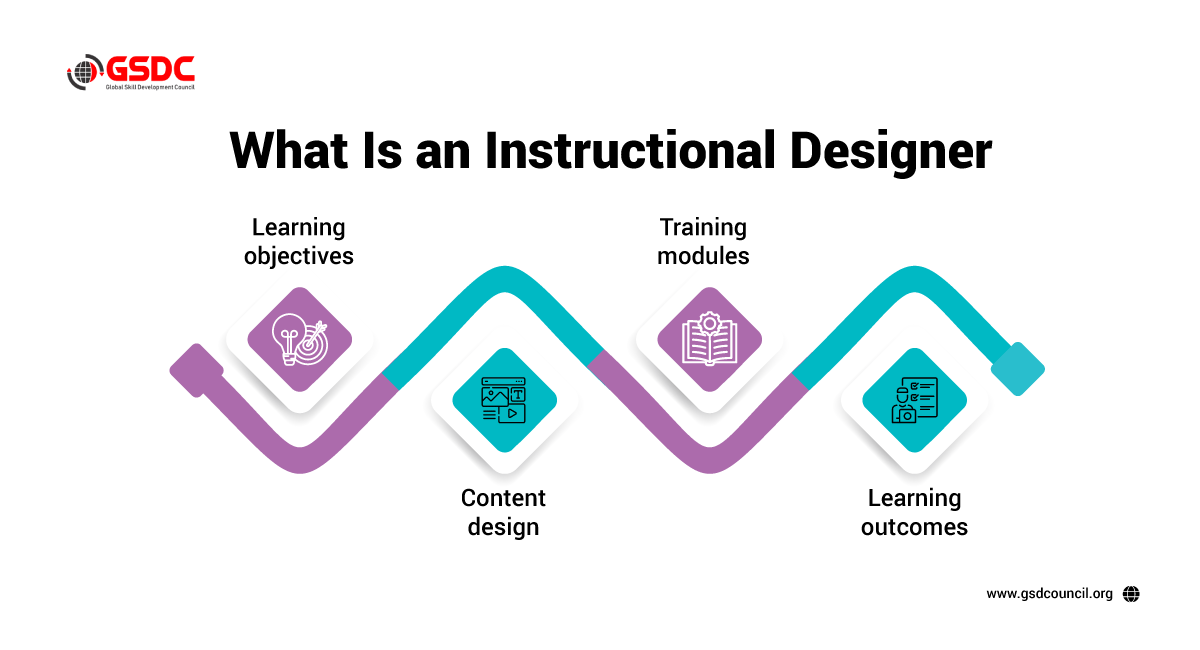
An instructional designer is a professional who uses instructional strategies and educational psychology, along with technology, to ensure that people are able to learn and get knowledge in a specific and structured way.
The instructional designer job description includes analyzing the training needs, designing learning objectives, and developing learning content, along with the expertise of subject matter experts.
Why Is Instructional Design Important?
Knowing why instructional design is important helps one understand why organizations are investing more in learning and development professionals.
Today's training programs have to be interesting, well-structured, and aligned with business objectives. Instructional design ensures that the content of a learning program is clear, effective, and based on real learning results.
Organizations benefit in various ways from effective instructional design:
Improved Learning Engagement
Effective training programs enable a more interactive and easily understandable learning process.
Faster Skill Development
A well-structured learning process helps employees acquire new skills in a more effective manner.
Better Knowledge Retention
Instructional design techniques improve how well learners remember and apply new information.
Scalable Digital Learning Programs
Organizations can deliver consistent training across teams and locations using digital learning platforms.
This growing importance is also reflected in industry spending. Global corporate training expenditures have reached over $102 billion, showing how organizations are prioritizing structured learning programs and workforce development.
At the same time, the instructional design software market is expected to grow steadily as companies increasingly opt to use digital learning platforms and training solutions.
Instructional Designer Job Description and Career Outlook
The instructional designer job description entails the creation of a systematic process of learning aimed at helping people or organizations attain their desired objectives.
The common tasks associated with an instructional designer's role include:
Designing Training Programs
Instructional designers are responsible for designing digital and instructor-led training programs based on the organization's learning objectives.
Developing eLearning Content
Instructional designers develop eLearning content in the form of interactive modules, videos, and courses aimed at making the learning process more engaging.
Using Learning Technologies
Instructional designers use various learning technology tools, including an LMS, in developing digital learning content.
Creating Instructional Materials
Instructional designers develop storyboards and instructional materials aimed at guiding the learner through the process of learning.
Evaluating Training Effectiveness
Instructional designers evaluate the effectiveness of the training programs based on the feedback of the learners.
The demand for professionals with good instructional designer skills is on the increase as organizations implement digital learning strategies in their workforce development programs.
Another aspect of the role of an instructional designer attracting professionals to the role is the salary associated with the role.
Instructional Designer Salary by Experience
| Experience Level | Average Instructional Designer Salary |
| Entry-Level Instructional Designer | $55,000 – $65,000 per year |
| Mid-Level Instructional Designer | $70,000 – $85,000 per year |
| Senior Instructional Designer | $90,000 – $110,000+ per year |
As organizations are investing more in digital learning and corporate training programs, the demand for an instructional designer job will continue to rise in the industry.
A 90-Day Instructional Design Roadmap to Start Your Career
If you’re interested in learning how to become an instructional designer, a learning plan is a great way to get started and learn the basics in a short period.
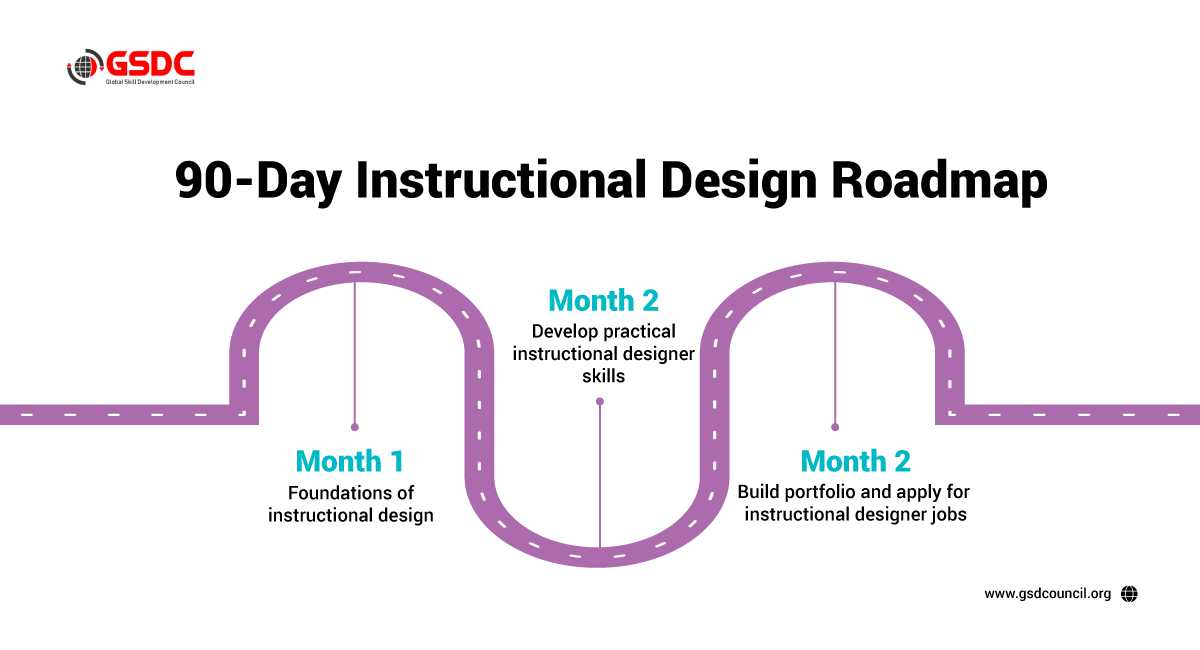
The simple instructional design roadmap for beginners is presented below.
Month 1: Learn the Foundations of Instructional Design
The first step in how to become an instructional designer is to learn the foundations of instructional design.
The learning objectives for the first month of how to become an instructional designer include the following topics:
- Adult learning theory
- Instructional design models and frameworks, including the ADDIE and SAM models
- Learning objectives and assessment strategies
- Basic course design and storyboarding techniques
These topics will be the foundation of the skills required for the role of an instructional designer. Learning about actual training programs and how learning modules are structured will also be an important learning experience for the professional.
Professionals who want structured learning can also explore industry-recognized training and certification programs offered by organizations such as the Global Skill Development Council (GSDC) to strengthen their understanding of instructional design principles.
Month 2: Develop Practical Instructional Designer Skills
After laying a solid groundwork, the following step in the instructional design roadmap is to put the knowledge you have gathered to use — and for those asking how to become an instructional designer at speed, a globally recognized certification programme can accelerate Month 2 and 3 outcomes significantly.
Some key instructional designer skills to nurture are:
- Developing eLearning courses
- Organizing visual content
- Designing the learning experience
- Utilizing digital authoring tools
- Crafting interactive learning modules
At this stage, you can hone your skills by embarking on small learning projects such as:
- Microlearning modules
- Training presentations
- Short instructional videos
- Basic online course frameworks
These projects not only refine your instructional design skills but also give you some hands-on experience, which is highly appreciated by employers. Moreover, many professionals obtain industry-recognized credentials like Certified Instructional Designer to showcase their skills and enhance their career prospects.
Month 3: Build a Portfolio and Prepare for Instructional Designer Jobs
The last part of the 90-day plan is about creating your instructional design portfolio a curated set of real work samples that proves your skills to recruiters before the interview even starts.
The main purpose of creating a portfolio is to highlight your skills as an instructional designer. Most firms expect their candidates to be able to showcase their skills through the use of work samples.
A portfolio will be important in the following ways:
- eLearning course modules
- Instructional videos or tutorials
- Learning storyboards
- Interactive assessments
- Training presentations
In addition to the above, it is important for professionals to develop their instructional design skills and use them in resume sections that highlight their technical and strategic skills.
Essential Instructional Designer Skills for Career Growth
Whether you are a newcomer to the field or are changing from a different profession, the right skills are essential for your long-term success as an instructional designer.
Some of the key skills include:
- Learning strategy and curriculum development
- Digital learning technology
- Content development and storytelling
- Working with subject matter experts
- Learning analytics and performance evaluation
Emphasizing your skills in the field of instructional design on your resume helps the employer understand your skills in the field.
Advance Your Career with a Certified Instructional Designer Certification
As the need for learning and skill development among learning professionals increases, more and more learning professionals seek to enhance their skills and expertise by obtaining various certifications.
The Global Skill Development Council (GSDC) provides the Certified Instructional Designer (CID) certification program for those who wish to learn and develop their skills as an instructional designer.
By obtaining the Certified Instructional Designer certification, learning professionals can increase their opportunities in various instructional designer roles.

Final Thoughts
It is not necessary to follow the academic route to become an instructional designer. There are many professionals who have become instructional designers through self-learning and professional development.
It is possible to become a professional by following the roadmap to become an instructional designer and developing the skills required to become an instructional designer.
For those interested in how to become an instructional designer, the key to a successful career is the combination of knowledge and experience.

Related Certifications
Frequently Asked Questions
Stay up-to-date with the latest news, trends, and resources in GSDC
If you like this read then make sure to check out our previous blogs: Cracking Onboarding Challenges: Fresher Success Unveiled
Not sure which certification to pursue? Our advisors will help you decide!