The Role of Modern Human Resource Management in Professional Growth
Written by Matthew Hale
- What Is Modern Human Resource Management?
- Key aspects of modern HRM for professionals include:
- The Role of Strategic HRM in Career and Organizational Growth
- Key HR Pillars Driving Career and Organizational Growth
- Real-World Impact for Professionals
- HR Transformation and Innovation: Empowering the Workforce
- Benefits of HR Innovation for Professionals
- Learning and Development: The Foundation of Professional Growth
- HR Certifications: Building Credibility and Career Momentum
- Choosing the Right Certification
- HR Best Practices and People Management Strategies for Professionals
- The Future of HR and Professional Development
- Partnering with HR for Career Growth
In a world where automation and AI are reshaping industries, modern human resource management ensures professionals don’t just survive, they thrive, lead, and grow. Evolving from an administrative role, HR now drives innovation, employee engagement, and leadership development. Companies with high employee engagement see 18% higher productivity, emphasizing the impact of effective HR strategies.
By combining advanced technology, data analytics, and people-first approaches, modern HR empowers professionals to learn, grow, and take on leadership roles. Performance management systems, employee engagement strategies, and digital HR platforms provide clear career pathways, timely feedback, and essential skills for future success, making HR transformation a key driver of both professional growth and organizational achievement.
What Is Modern Human Resource Management?
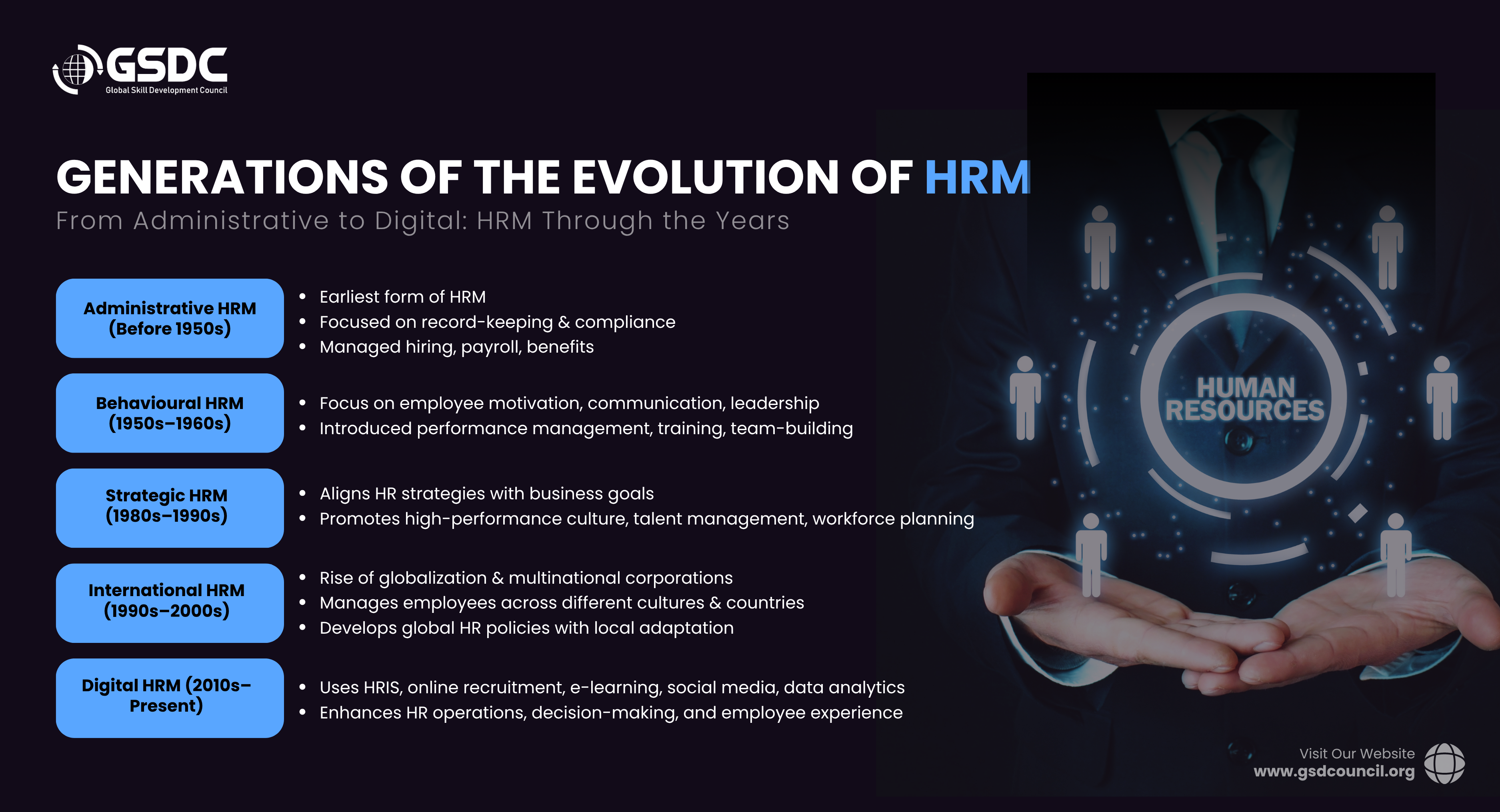
Modern Human Resource Management (HRM) goes beyond payroll, compliance, and hiring. It has evolved into a strategic function that integrates people, technology, and leadership to drive both career growth and organizational success.
Key aspects of modern HRM for professionals include:
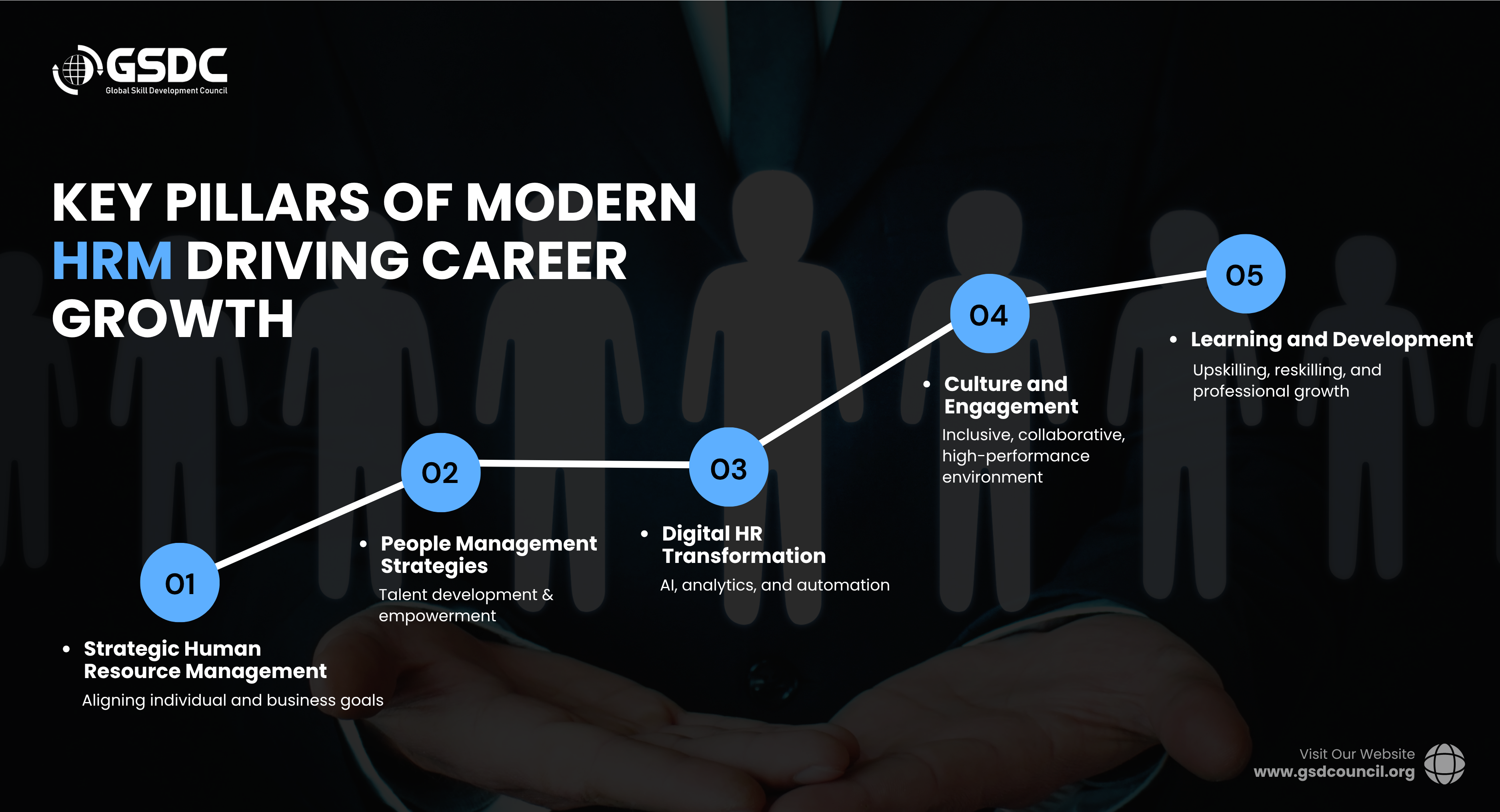
- Strategic Human Resource Management
- Aligns individual goals with organizational objectives.
- Encourages professionals to take ownership of their career growth while contributing to business success.
- Enhances visibility and credibility within the organization.
- People Management Strategies
- Focuses on talent development, employee empowerment, and leadership skills.
- Provides personalized career development plans and continuous feedback mechanisms.
- Promotes engagement, collaboration, and innovation.
- Digital HR Transformation
- Integrates AI and data analytics for recruitment, onboarding, and performance management.
- Reduces routine administrative tasks, allowing HR teams and professionals to focus on strategic initiatives.
- Predictive analytics can forecast skill gaps and training needs, enabling proactive career planning.
- Culture and Engagement
- Fosters inclusive, collaborative, and high-performance work environments.
- Encourages employees to participate in decision-making and contribute ideas.
- Links employee satisfaction with retention, motivation, and innovation.
- Learning and Development
- Digital platforms provide access to skill-building programs and professional growth opportunities.
- Encourages continuous learning aligned with both personal and organizational goals.
- Supports career acceleration through upskilling and reskilling initiatives.
Modern HRM combines strategy, technology, and human-centric leadership, enabling professionals to drive organizational success while accelerating measurable career growth.
The Role of Strategic HRM in Career and Organizational Growth
Strategic Human Resource Management (HRM) aligns company goals with employee ambitions, creating a growth environment that benefits both professionals and the organization. By focusing on performance management, learning and development, employee engagement, and workplace innovation, HR empowers employees while driving business success.
Key HR Pillars Driving Career and Organizational Growth
- Performance Management Systems: Track and improve results while aligning individual goals with organizational objectives. Companies using effective performance management report up to 12% higher productivity, offering clarity, recognition, and support for career progression.
- Learning and Development Programs: Continuous learning is essential for career growth. Strategic HR ensures employees are upskilled to meet evolving organizational demands. These programs enhance expertise, engagement, and innovation, preparing employees for future roles.
- Employee Engagement Strategies: Engaged employees are more productive, motivated, and loyal. Recognition programs, transparent feedback, and career development opportunities make professionals feel valued, boosting overall performance.
- Workplace Innovation: Encourages creativity, adaptability, and problem-solving. HR-driven innovation helps companies respond to market changes, implement new ideas, and maintain a competitive edge, while inspiring employees to think beyond routine responsibilities.
Real-World Impact for Professionals
- Transparent Goal Setting: Employees see how their work contributes to organizational success.
- Continuous Feedback: Real-time feedback promotes ongoing improvement.
- Leadership Development: Identifies future leaders and equips them with growth skills.
- Skill Advancement: Learning programs prepare employees for evolving roles, enhancing career prospects.
By embracing these pillars, Strategic HRM strengthens organizational performance and cultivates a motivated, skilled, and loyal workforce. Professionals who actively engage with these HR initiatives — and enhance their expertise through certifications from the Global Skill Development Council (GSDC) — gain visibility, credibility, and meaningful career growth opportunities.
Your Roadmap to HR Excellence
🎯 Gain the confidence and skills to thrive in your career!
HR Transformation and Innovation: Empowering the Workforce
HR is no longer just administrative; it now drives organizational innovation and workforce empowerment. HR transformation from automating routine tasks to agile workforce planning aligns human capital with business goals, ensuring HR actively contributes to growth, adaptability, and long-term success.
Digital HR Transformation
Modern HR leverages advanced technologies to optimize workforce management and decision-making. Key aspects include:
1. Artificial Intelligence and Machine Learning
- Automates repetitive tasks such as recruitment screening, onboarding, and performance tracking.
- Provides predictive insights into workforce trends and employee needs.
2. Predictive Analytics
- Identifies skill gaps and training requirements.
- Enables proactive workforce planning and talent management decisions.
3. Real-Time Insights
- Tracks employee performance, engagement, and productivity.
- Supports data-driven decision-making for managers and HR leaders.
4. Business Impact
- Companies implementing digital HR solutions report higher productivity, improved employee engagement, and more efficient HR operations.
- Reduces administrative workload, allowing HR teams to focus on strategic initiatives.
HR Innovation in Action:
HR innovation is about reimagining traditional HR practices to create value for both employees and the organization. Key strategies include:
- Agile HR Models: Flexible workflows and iterative processes that quickly adapt to changing business demands.
- Continuous Improvement: Regular evaluation of HR programs and policies to ensure alignment with organizational strategy.
- Employee-Centric Policies: Personalized experiences, well-being initiatives, and growth opportunities that empower employees to perform at their best.
Benefits of HR Innovation for Professionals
- Competitive Edge: HR professionals become more adaptable, visible, and influential.
- Expertise Development: Gain skills in managing complex workforce dynamics, leveraging analytics, and designing human-centric policies.
- Enhanced Engagement & Retention: Policies and strategies improve employee satisfaction and loyalty.
- Organizational Impact: Companies fostering HR innovation report higher performance and stronger workplace culture.
- Empowered Workforce: Combining technology, agility, and people-focused strategies enables professionals to drive meaningful change.
- Future-Readiness: Prepares employees for today’s challenges and tomorrow’s opportunities while strengthening organizational resilience.
Learning and Development: The Foundation of Professional Growth
Learning and Development (L&D) is a strategic cornerstone of modern HR, equipping professionals with the skills needed to grow and adapt in dynamic workplaces. Effective L&D programs bridge skill gaps, enhance engagement, and strengthen organizational performance.
Key Benefits for Professionals and Organizations
- Career Growth: 74% of employees feel the need to learn new skills to remain competitive. Upskilling initiatives prepare employees for evolving roles and leadership opportunities.
- Retention and Engagement: 94% of employees say they would stay longer at companies that invest in their learning and development, improving loyalty and reducing turnover.
- Future-Ready Skills: Training in emerging technologies, soft skills, and cross-functional capabilities ensures adaptability in a rapidly changing market.
- Enhanced Productivity: Companies with strong L&D programs report up to 21% higher productivity among employees.
Trends in Learning and Development
- Technology-Driven Training: AI-powered learning, gamification, mobile platforms, and immersive simulations enable personalized, flexible learning.
- Personalized and Collaborative Learning: Tailored pathways, mentorship programs, and team-based sessions foster growth and innovation.
- Measurable Impact: KPIs, feedback loops, and pre- and post-training assessments track skill development and business outcomes.
By integrating L&D into HR strategies, organizations empower professionals to continuously enhance skills, contribute to business success, and stay ahead in their careers.
HR Certifications: Building Credibility and Career Momentum
In today’s competitive HR landscape, experience alone isn’t enough, recognized expertise sets professionals apart. HR certifications bridge knowledge and credibility, helping individuals validate their skills, gain industry recognition, and accelerate career growth.
Why HR Certifications Matter
Professional certifications showcase competency in key HR areas, including performance management, talent development, and strategic alignment of HR with business goals. Key benefits include:
- Credibility: A recognized credential signals expertise to employers, peers, and clients.
- Career Growth: Certified professionals often experience faster promotions, higher salaries, and broader opportunities.
- Global Employability: Certifications demonstrate skills that meet international standards.
- Strategic Advantage: They validate the ability to apply HR knowledge in real-world business contexts.
Choosing the Right Certification
Globally recognized bodies like the Global Skill Development Council (GSDC) offer programs that combine theory and practical application. Credentials such as the Certified HR Professional equip professionals to:
- Lead HR transformation initiatives.
- Manage performance systems effectively.
- Align HR strategies with organizational goals.
- Drive employee engagement and organizational success.
Earning an HR certificate not only enhances visibility and credibility but also positions professionals whether a professional in human resources or a certified human resources professional for leadership roles and career advancement.
HR Best Practices and People Management Strategies for Professionals
Mastering HR best practices and people management strategies is key to building high-performing teams, fostering innovation, and driving long-term growth. Professionals who adopt these practices develop a future-ready leadership mindset, boosting their influence and organizational impact.
Why HR Best Practices Matter
Strategic HR practices directly enhance engagement, productivity, and retention. Key benefits include:
- Alignment with Business Goals: Employees gain clarity on how their roles contribute to organizational objectives. For example, companies like Google and Microsoft use OKRs (Objectives and Key Results) to ensure individual targets are tied to larger business outcomes, improving alignment and accountability.
- Increased Innovation: Empowered employees are more likely to propose new ideas and solutions. Organizations such as 3M and Atlassian encourage “innovation time” for employees to experiment, resulting in breakthroughs like Post-it Notes and Jira software.
- Stronger Retention: Engaged employees remain longer, reducing recruitment and training costs. Studies show companies with effective HR practices experience 31% lower voluntary turnover, highlighting the impact of employee-focused policies.
- Enhanced Workplace Culture: Inclusive, transparent, and people-centric strategies foster collaboration, trust, and high performance. For instance, Salesforce invests heavily in equality initiatives and open communication, which has been linked to higher employee satisfaction scores and retention.
People Management Strategies in Action
Effective people management strategies go beyond policies they focus on leadership, development, and employee empowerment:
- Continuous Feedback Loops: Regular one-on-one check-ins, 360-degree feedback, and performance reviews help employees track progress, identify skill gaps, and set clear career goals. Companies like Adobe replaced annual reviews with continuous feedback, resulting in a 30% increase in employee engagement scores.
- Employee Development Plans: Personalized career paths aligned with organizational needs help employees visualize their growth. For example, IBM’s “Your Learning” platform provides AI-driven learning recommendations tailored to each employee’s role and career goals.
- Recognition and Reward Programs: Celebrating achievements boosts morale and reinforces desired behaviors. Zappos, known for its strong employee culture, has peer-to-peer recognition programs that reward contributions, fostering engagement and collaboration.
- Empathy-Driven Leadership: Managers trained in emotional intelligence and empathetic communication improve team cohesion and productivity. According to a Harvard Business Review study, teams led by emotionally intelligent managers outperform others by 20% in productivity.
For professionals aiming to strengthen these leadership and people management capabilities, earning a certificate in HR best practices can provide structured learning, global recognition, and practical tools to lead with confidence.
By integrating these best practices and people management strategies into daily workflows, professionals not only accelerate their own career growth but also help build resilient, innovative, and engaged organizations prepared to thrive in a rapidly evolving business landscape.
The Future of HR and Professional Development
The HR landscape is rapidly evolving, driven by technology, changing workforce expectations, and global business trends. Professionals in human resources must stay adaptable and future-focused to thrive.
Key Trends Shaping HR
- Workplace Innovation through Flexible Models
Flexible work arrangements, hybrid schedules, and collaborative digital platforms empower employees, boost productivity, and foster workplace innovation that meets modern professional expectations.
- AI-Driven Analytics and Predictive HR Tools
AI-powered analytics enable predictive performance assessments, talent insights, and smarter workforce planning, helping HR professionals anticipate trends, address skill gaps, and optimize engagement.
- Continuous Upskilling through Certifications
Structured programs and HR certifications equip professionals with skills to lead performance systems, strategic initiatives, and change management, enhancing credibility and career growth.
- Global Connectivity and Networks
Professional networks and communities allow HR leaders to share knowledge, gain insights, and prepare for managing diverse teams while driving organizational transformation.
Staying Future-Ready
- Embrace digital tools and data-driven approaches.
- Pursue continuous learning and professional development.
- Foster innovation and adaptability within teams.
- Build strategic skills that align HR with business goals.
By adopting these trends, HR professionals can become strategic leaders, driving both organizational growth and personal career advancement.
Partnering with HR for Career Growth
The future of HR is defined by flexibility, data-driven insights, and continuous professional growth. Modern HR management is no longer just an administrative function it is a strategic growth catalyst for both individuals and organizations.
By actively participating in HR initiatives, mentorship programs, and skill-building opportunities, professionals can enhance their visibility, credibility, and influence within their organizations. Structured HR certifications and professional development programs provide the tools needed to validate expertise, lead transformation, and align HR strategies with business objectives.
Ultimately, your career growth begins when you start viewing HR not as a department, but as a strategic partner, one that helps you navigate challenges, build essential skills, and achieve long-term professional success.

Related Certifications
Stay up-to-date with the latest news, trends, and resources in GSDC
If you like this read then make sure to check out our previous blogs: Cracking Onboarding Challenges: Fresher Success Unveiled
Not sure which certification to pursue? Our advisors will help you decide!