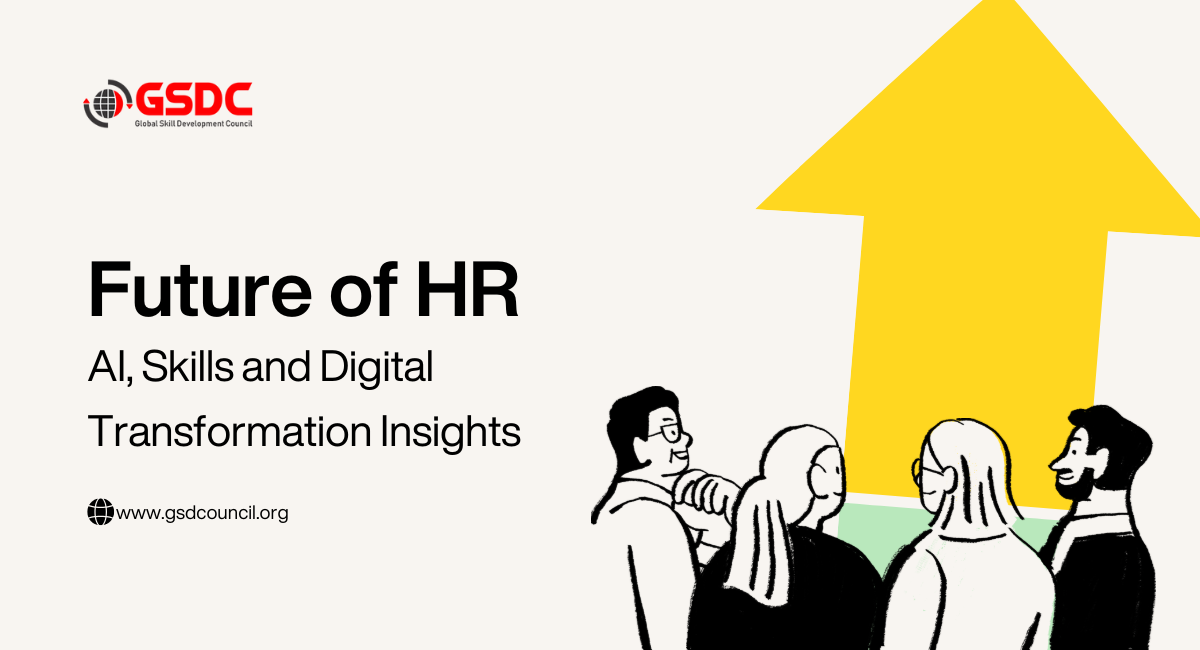
Future of HR 2026: AI, Skills and Digital Transformation Insights
Written by Matthew Hale
By 2026, the HR function will look radically different from what it is today.
AI, skills-based work, hr digital transformation, and new workforce models are rewriting expectations of what HR delivers and how quickly it delivers. HR is no longer a support function; it sits at the centre of business performance, capability, and long-term competitiveness.
As organisations accelerate into AI-enabled, tech-driven and skill-centric models of work, the demands placed on HR will intensify. HR leaders will be expected to use predictive analytics in HR, develop stronger workforce planning skills, integrate automation in HR processes, and demonstrate measurable business impact.
This report breaks down the emerging HR trends shaping 2026 and the future-ready HR skills every professional must build.
HR’s Role Is Becoming More Strategic
HR is changing quickly. It’s no longer just about policies or processes. Organisations now need more agility, better employee experience management, and stronger workforce capability. And HR is becoming central to all of it.
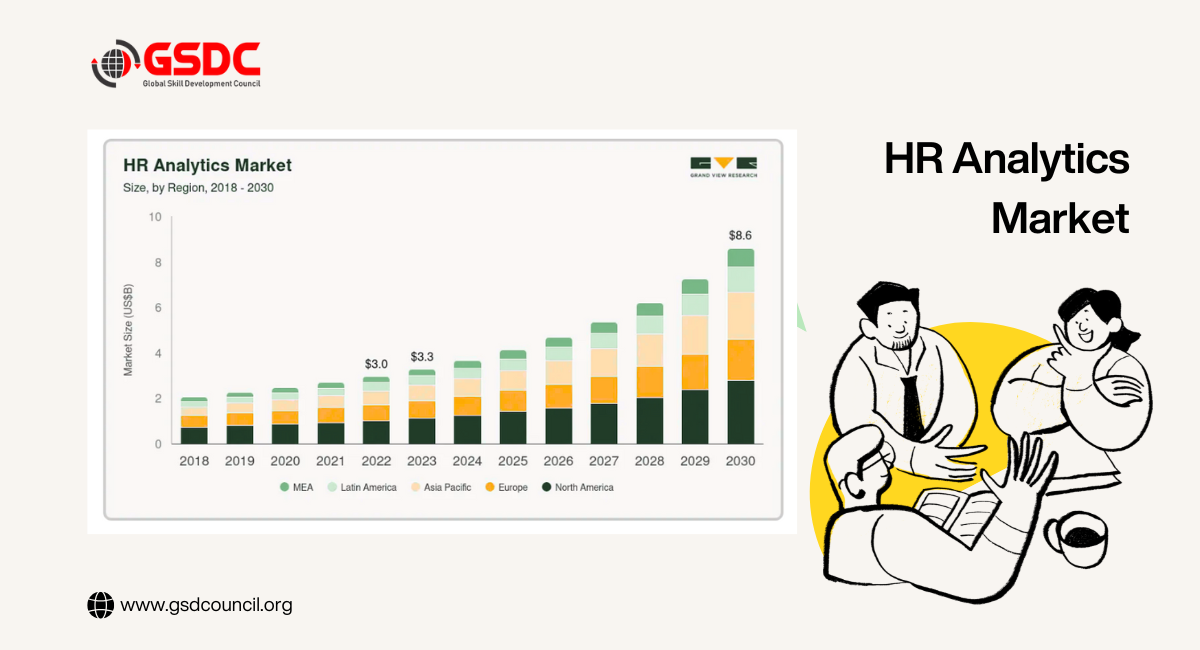
Investment patterns reflect this shift. Spending on HR analytics is rising sharply, moving from about USD 3 billion to over USD 8 billion by 2030. This signals the growing demand for hr data-driven decision making. At the same time, skills-based hiring is becoming standard, with employers relying more on talent intelligence platforms and proven capability over degrees.
What this means for HR:
- HR is moving into strategic HR leadership
- Decisions must be backed by analytics and people insights
- Workforce capability building becomes a core hr capability framework priority
- Talent decisions rely more on skills, not just qualifications
- HR is expected to lead hr technology transformation initiatives
Skills Shortages Are Growing - HR Must Respond
Skills gaps are widening across industries. Around 63% of employers say it’s now harder to find high-quality talent than a year ago. These shortages strengthen the move toward skills-first hiring and demand structured hr transformation strategies.
HR teams must now focus on:
- Skills mapping and job architecture
- Future-skills audits
- Role-based upskilling and reskilling
- Internal mobility and career pathways
This requires HR teams to build strong hr leadership skills and become more proactive, analytical, and future-focused.
Employees Want Growth - HR Must Build Pathways
Learning expectations have shifted. Today, 58% of employees prefer earning new credentials to grow within their current company. Meanwhile, 88% of organisations report active upskilling programmes - reinforcing the demand for stronger hr professional training initiatives.
For HR, this means creating environments where talent grows before it goes. This includes:
- Internal career pathways
- Micro-credentials
- Skills academies
- Stretch assignments
- Internal mobility dashboards
This shift will define the future of HR careers, moving HR from managing training to enabling capability growth.
Many HR professionals are also choosing structured credentials such as a Certified HR Professional designation to validate their skills.”
HR Tech Is Now a Core Part of the Job
HR technology is reshaping how organisations operate. Today, 55% of companies plan to increase HR tech spending, strengthening the role of hr digital transformation in people management.
This rise is driven by the need to manage:
- Personalised experiences
- Hybrid and distributed work
- Real-time workforce intelligence
- Practical hr automation examples
Data-driven insights via talent intelligence platforms
HR professionals must now understand:
- HRIS platforms
- Learning experience systems
- Workforce analytics tools
- AI-enabled workflows
This shift reinforces the importance of ai-driven HR insights and modern skills for HR professionals navigating the future of work HR landscape.
Measurement: Outcomes Over Inputs
Organisations are moving away from measuring learning by attendance or hours. They now expect HR and L&D to show clear business impact.
Recent insights reveal that only about 21% of organisations rate their L&D programmes as high quality, and more than half see their effectiveness as average or below. This puts pressure on HR to demonstrate real value.
Today, companies most often track outcomes like:
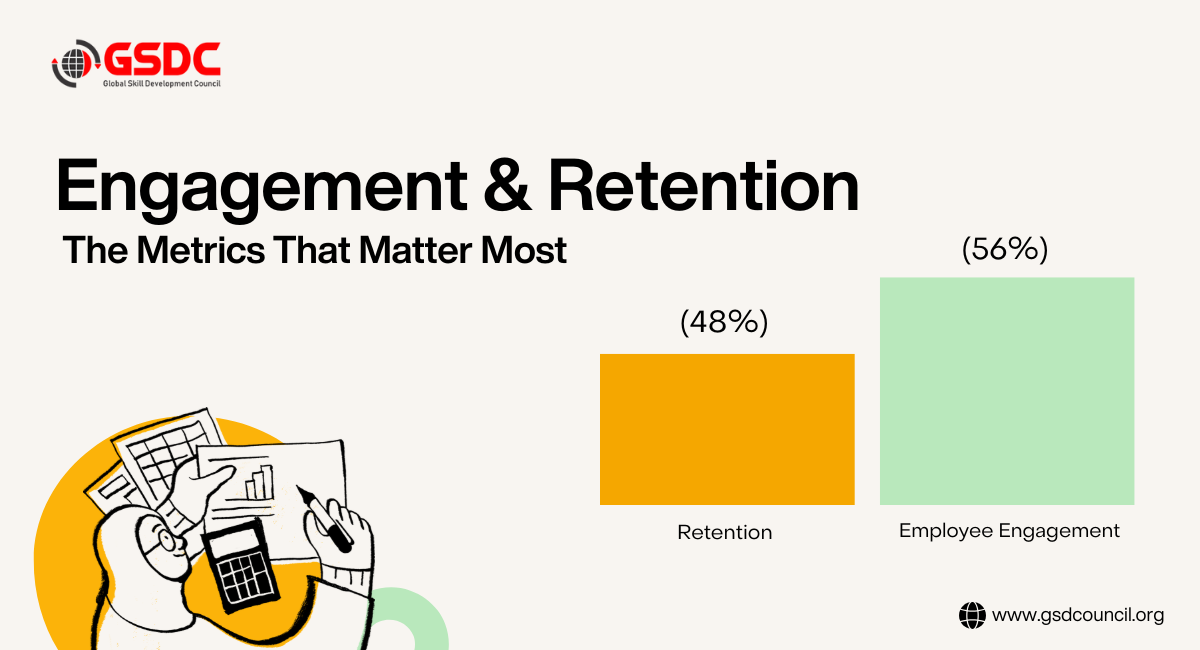
The focus has shifted from activity to results.
For HR, measurement now needs to include:
- Time-to-competency
- Internal mobility
- Skill attainment
- Successor readiness
- Productivity improvements
- Impact on business capability
The future of HR is evidence-driven - it’s about what improves, not what was delivered.
HR Must Show Real Impact - Not Activity
Companies are shifting from tracking attendance to measuring business impact. Recent insights show:
- Only 21% of organisations rate L&D as high quality
- Over 50% consider their training effectiveness average or below
- Most track employee engagement (56%) and retention (48%)
To meet these expectations, HR must strengthen its hr analytics skills and measure:
- Time-to-competency
- Internal mobility
- Skill attainment
- Successor readiness
- Productivity improvements
This data-driven approach aligns with the new hr role in business strategy and the broader hr and future of work transition.
AI Will Support HR - Not Replace It
AI is reshaping recruitment, learning, performance, and workforce planning. But one truth is clear:
AI won’t replace HR - HR professionals who use AI will replace those who don’t.
This directly answers a common concern: will HR be replaced by AI?
The reality is that AI enhances HR; it doesn’t eliminate it.
HR must now lead responsible ai in human resource management, including:
- Ethical and transparent AI use
- Bias prevention
- Fair decision-making
- Employee readiness
- Clear adoption frameworks
This requires strong change management skills, trust-building, and a people-first strategy - all essential hr skills of the future.
Conclusion: The Future of HR Starts Now
The HR professional of 2026 is no longer an administrator. You are the architect of capability, culture, skills, intelligence, and organisational agility - the foundations of business success.
To stay future-ready, HR professionals must strengthen their future of work HR mindset, build digital fluency, adopt hr transformation strategies, and embrace continuous growth - including pursuing hr certification, human resources certification, or a certified HR professional pathway to stay competitive.
The organisations that thrive in the next decade will be those where HR doesn’t just respond to change -
HR leads it.

Related Certifications
Stay up-to-date with the latest news, trends, and resources in GSDC
If you like this read then make sure to check out our previous blogs: Cracking Onboarding Challenges: Fresher Success Unveiled
Not sure which certification to pursue? Our advisors will help you decide!