Why Design Thinking Works: A Simple Guide to the 5 Stages

Written by Matthew Hale
Design Thinking is an approach aimed at problem-solving through empathy with the people involved rather than relying on assumptions. It deviates from the traditional solution, first mindset by diving deep into knowing the users and their actual problems. This method allows people, groups, and companies to come up with ideas that not only work but also bring value and make sense.
The design thinking process is widely utilized in various fields and is based on a general five-step model that promotes a culture of creativity and continuous improvement.
In this guide, we’ll explore what is design thinking and why is it important, how design thinking works in real-world contexts.
What Is Design Thinking?
Design thinking is a human-focused, iterative method of finding solutions to problems. It allows teams to empathize with the users' problems before they come up with solutions.
Design thinking is about figuring out what users really need and then creating solutions that effectively meet those needs. That means design thinking can be a great tool for product development, service design, and even organizational improvement.
The main point of Design Thinking is to eliminate the uncertainty and make sure that the solutions are based on the actual needs of the users, not on the team's assumptions.
How the Design Thinking Process Works
People often explain the design thinking process as a 5 step design thinking process which guides the teams from understanding the user needs to testing the solutions. This systematic method is regularly included in professional training programs and credentials that emphasize practical problem-solving skills.
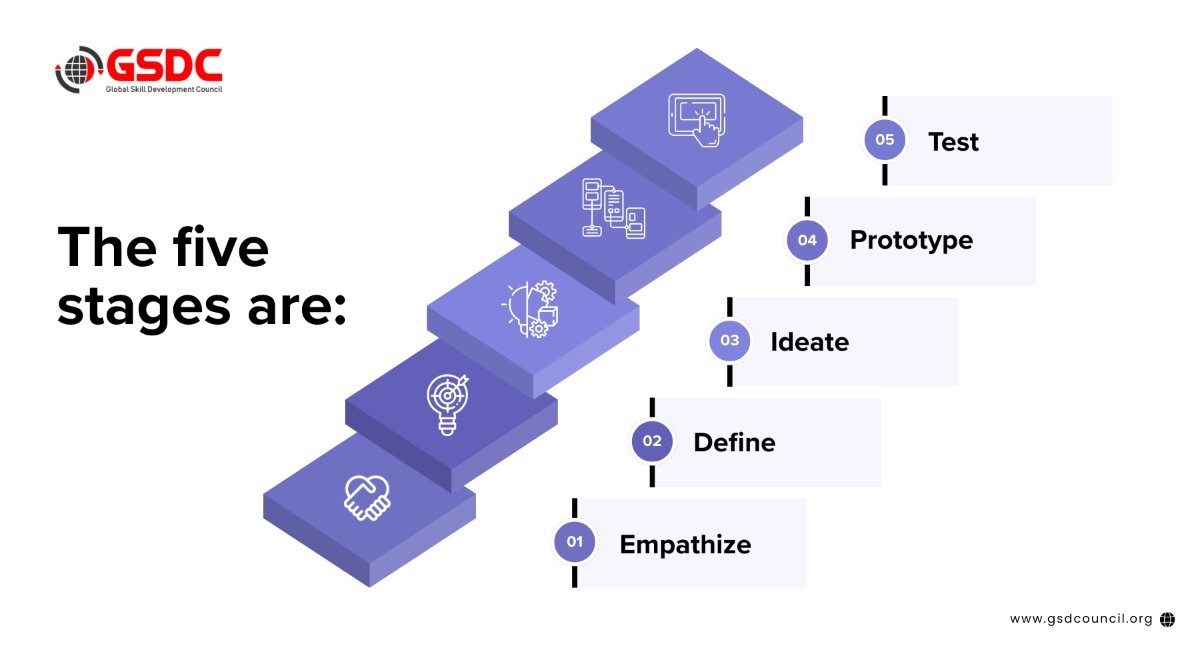
Collectively, these 5 stages of design thinking practice explain the process. The process is non-rigid, and the teams can go back and forth between stages as they get more knowledge.
For utilizing this model in the day-to-day work of professionals, organizations such as the Global Skill Development Council (GSDC) provide guidance and certification in the use of the Design Thinking process in different spheres of industry. The whole process is the starting point, and then.
Grasping the entire process is just the first step. The true worth lies in the application of each stage in the field. It starts with Empathize, where a team concentrates on deeply understanding the users and their needs.
The 5 Stages of Design Thinking Explained
Stage 1: Empathize - Getting to Know the User
At this stage, it is all about understanding who the users are, what they want, and even the problems they have. Here, the users are approached in their usual settings to observe their behavior and the environment in which they face the problem.
Activities: talking to users, watching users in their environment, and asking open-ended design thinking questions to find out what users think, do, and feel.
Result: great, deep, and original insights into users' needs and the problems that they face.
Stage 2: Define – Frame the Problem
Based on the Empathize stage, teams pull apart the insights to find patterns and key themes. The team uses these to produce a problem statement that is human-centered, explains who the user is, what problem the user has, and why it is important.
Result: A focused problem definition that guides solution development.
Stage 3: Ideate – Generate Solutions
This phase marks the beginning of the brainstorming session, where new ideas are flowing, and the best answer begins to emerge. It is a stage where ideas are shared, and perspectives are discussed before the options are narrowed down.
Result: A list of potential solutions that are ready for development.
Stage 4: Prototype – Creation of Simple Models
Now, the group is able to create quick and low-budget prototypes of their ideas. A prototype refers to the sketches, wireframes, or mock-ups of the ideas they have developed.
Result: Basic models that can be tested, tried, and improved.
Stage 5: Test – Learn Through Feedback
Prototypes are introduced to clients who provide their impressions and are observed interacting naturally, with teams often using simple tools like surveys, feedback forms, or QR codes to make it easier for users to access prototypes and share their input, supported by solutions like The QR Code Generator (TQRCG). The understanding gained through testing is incorporated in the solution and, if necessary, steps are repeated.
Result: Confirmed insights that lead to the solution's refinement.
Professionals who want to apply these stages in real-world projects and demonstrate practical capability often pursue the Certified Design Thinking Professional credential, which validates both understanding of the design thinking process and the ability to apply it in organizational settings.
Why Is Design Thinking Important?
Design Thinking is important because it helps organizations create solutions that users really need and that also fit within the real world.
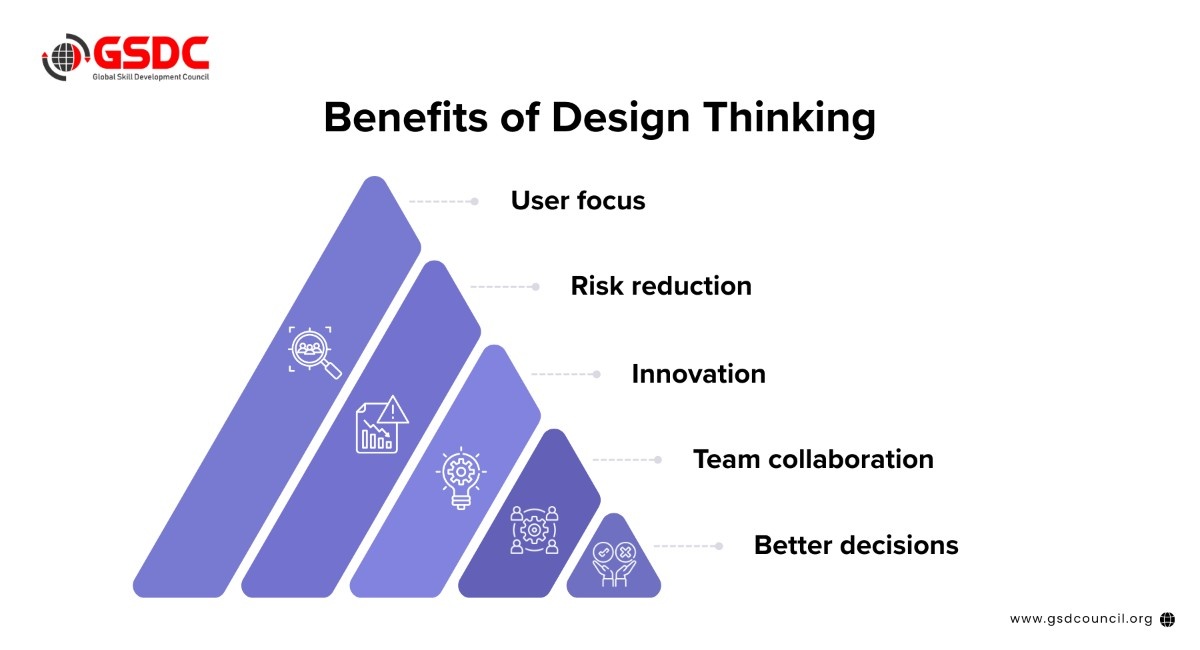
The main benefits of Design Thinking are:
Key benefits include:
- It makes sure that solutions are based on actual user needs rather than on internal assumptions.
- It lowers the risk by checking the ideas at the early stage and finding the problems before making the investments.
- It stimulates inventive exploration, producing thereby more innovative and efficient solutions.
- It facilitates better teamwork as it provides cross-functional teams with a common method of working and decision-making.
- It results in improved decisions as user insights and feedback are used to set priorities.
Where Is Design Thinking Used?
Design Thinking is a problem-solving methodology centered around user needs that allows people to come up with solutions, test these ideas, and deliver them as experiences or products that the users will appreciate. This approach has been proven to be very valuable because it keeps the focus on the users and their needs and uses their input and feedback to drive improvements in processes, products, and services.
Education: Enhancing the Process of Learning
Design Thinking is an ideal way to revolutionize learning as well as the learning environment itself. Learner-centered strategies can be developed and implemented to make learning more engaging and effective when teachers get to know their students through observation and feedback and use this information to review the curriculum, teaching methods, and learning environments.
Healthcare Enhancing patient experience (GE Healthcare)
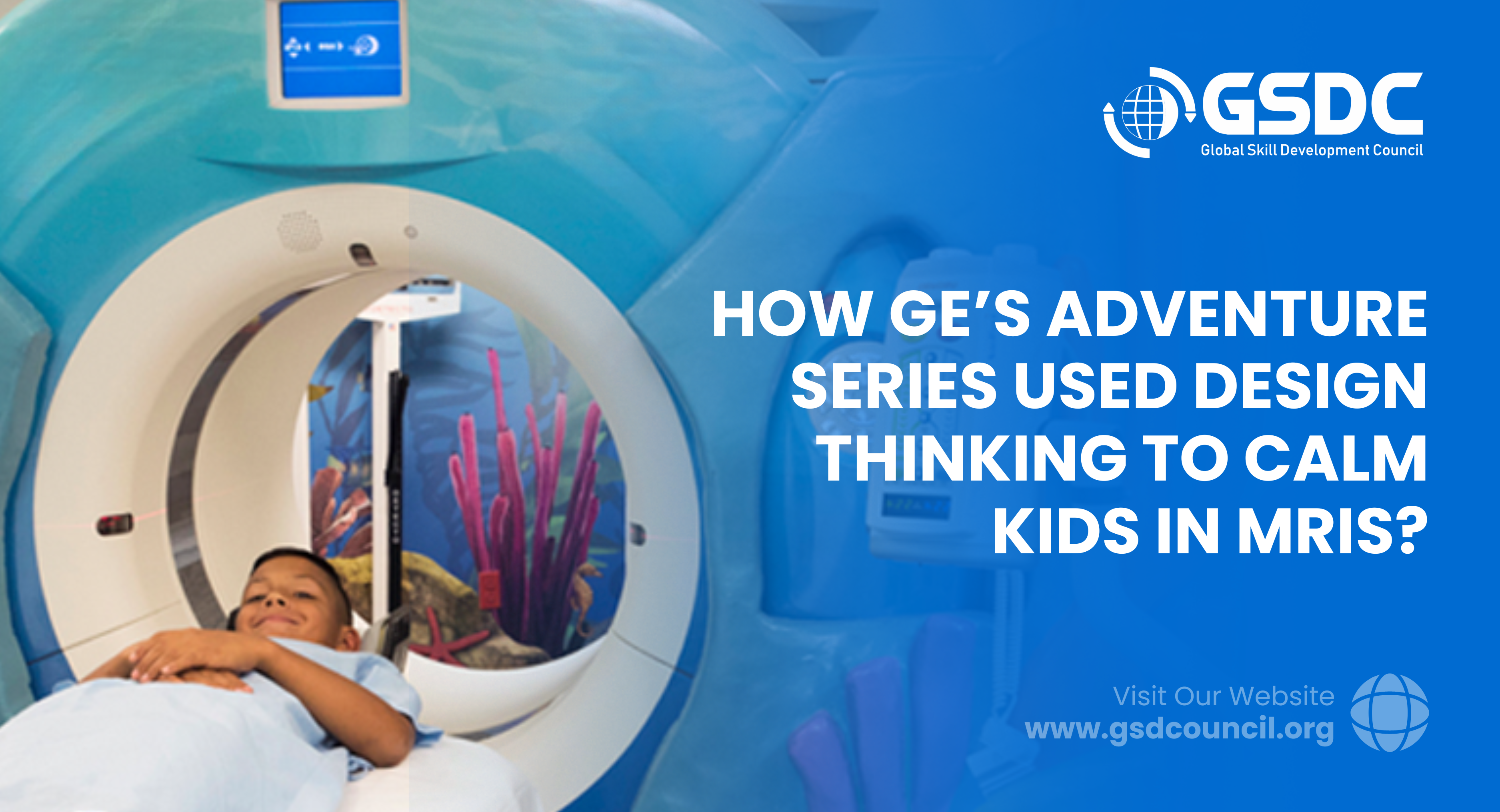
One of the great ways Design Thinking in healthcare is by making services more human and less stressful for patients. For example, GE Healthcare came up with the idea of redesigning MRI rooms for children after seeing that the usual hospital setting scared them and made them anxious. That is how they made the hospital rooms cozier, more child-friendly, and engaging, which not only made the experience better but also helped the children to cooperate during the scan.
Digital Products and Services: Enhancing user experience (Netflix)
Digital companies indulge themselves in such a practice to constantly improve the way their users interact with their products and services technologies. Netflix has been continuously improving its service through observing and understanding customers' behaviors (e. g., what they look for, what they watch, how they engage with content), which makes the experience seamless and personalized.
Marketing and Customer Experience: Crafting better customer journeys (Airbnb)
In the case of marketing and customer experience, Design Thinking leads the teams to understand exactly what customers need and where they fumble. Airbnb learned that low-quality property photography undermined trust and reduced bookings. Opening up photos in the new listings improved buyers' confidence and engagement.
These examples show that Design Thinking is not confined to a single role or industry. Where teams focus on real user needs and test ideas in advance, they are in a position to develop solutions that are more effective and usable and have greater impact across a range of contexts.
Design Thinking Certification and Professional Learning
While human-centered problem-solving gains appreciation, a growing number of professionals seek certification to prove their skills and strengthen their career prospects. Flexible options, such as design thinking certification online, make it easier to learn and apply the methodology while working.
Design thinking is now an integral aspect of corporate strategy, as over 72% of Fortune 1000 companies rely on design thinking frameworks for driving innovation in the organization, which goes on to show the importance this skill holds in the corporate sector as a whole.
To help professionals gain practical expertise, the Global Skill Development Council (GSDC) offers the Certified Design Thinking Professional credential. This certification focuses on real-world application of the design thinking process, helping individuals demonstrate both conceptual understanding and hands-on ability to contribute to user-centred problem-solving in roles across product, strategy, marketing, innovation, and transformation.

Final Thoughts on the Purpose of Design Thinking
The goal behind design thinking is not limited to tools and frameworks only. It is about forming a mindset centered around empathy, organized problem-solving, trial, and ongoing improvement. The mindset thus formed will encourage teams to spend time understanding the real needs of users before moving to solutions, thus lessening the risk of creating something that does not really bring value.
Once teams understand what design thinking is and why it matters, they can handle the challenge practically. The outcomes are solutions that are not only novel but also usable, relevant, and in harmony with real-life circumstances.
Eventually, the organizations that incorporate Design Thinking become more capable in problem-solving, enjoy better collaboration across teams, and have a culture of learning from feedback. As a result, they become more flexible in facing the change, better at handling uncertainty, and continuously developing their products, services, and internal processes.

Related Certifications
Stay up-to-date with the latest news, trends, and resources in GSDC
If you like this read then make sure to check out our previous blogs: Cracking Onboarding Challenges: Fresher Success Unveiled
Not sure which certification to pursue? Our advisors will help you decide!