Careers in Design Thinking : Career Path, Design Thinking Jobs, Salary
Written by Matthew Hale
Innovation isn't just a buzzword anymore, it's become part of how we all expect things to work. We want apps that actually male ;ofe easier, services that feel personal and products that understand our needs before we even say them. Because of this shift, people who know how to solve problems creatively are becoming incredibly valuable, and that is exactly why careers in design thinking are taking off.
More companies are realizing that they need professionals who can listen deeply, think beyond the obvious, and use the design thinking process to create solutions people genuinely care about. A recent report even found that over 70% of employees now see creative and analytical thinking as the most important skills for the future.
In this blog, we’’ walk through the growing world of design thinking jobs, the different career paths you can take, salary expectations, remote opportunities and why the right certification can help you stand out.
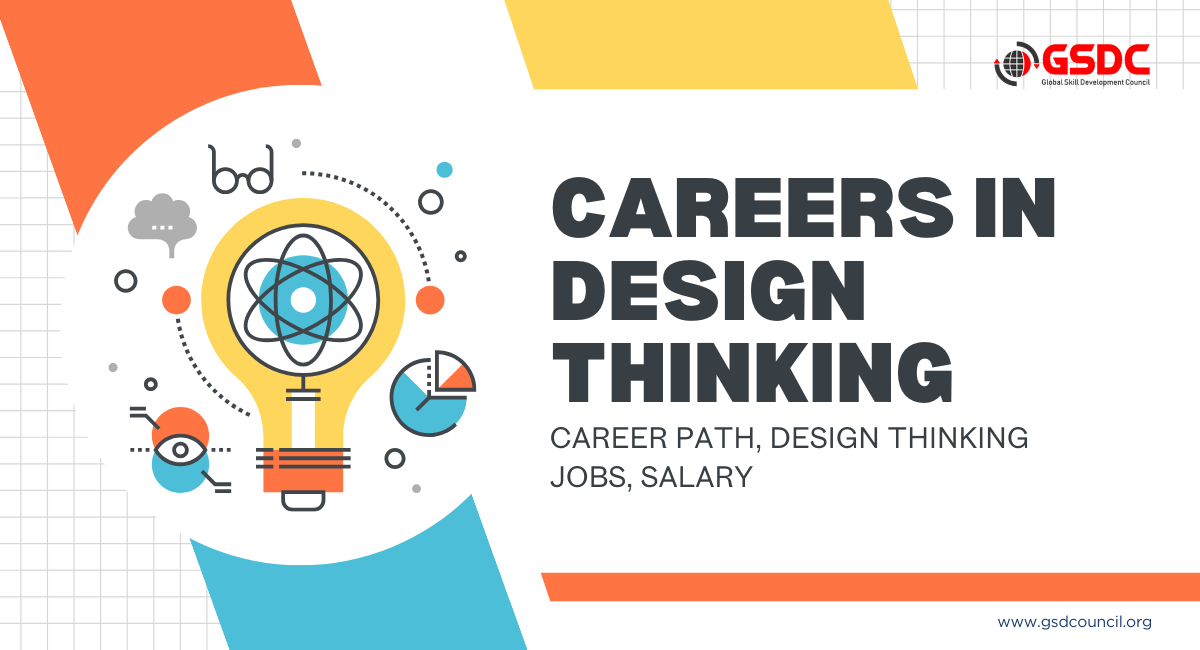
What is design thinking?
At its heart, design thinking is a human centered, iterative way of solving problems.
Instead of jumping straight to solutions, it encourages us to understand people first- their needs, frustrations and motivations.
The Process usually follows five key steps:
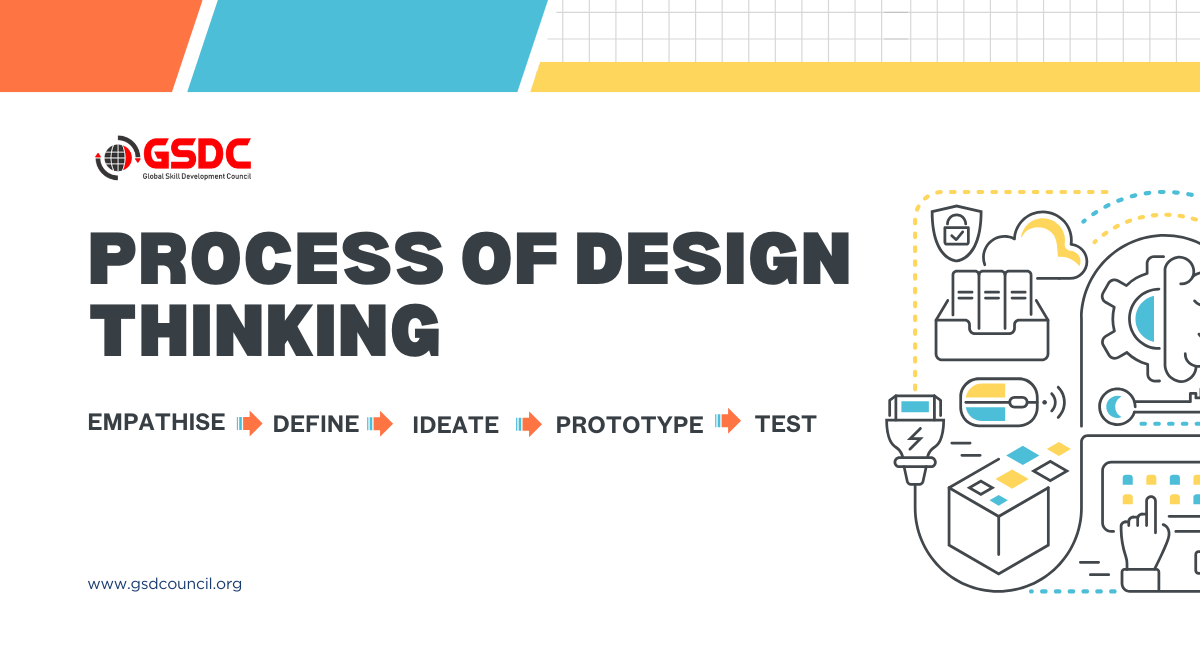
(Some teams expand this into the 7 stages of design thinking, but the idea stays the same: keep learning and improving)
What makes design thinking powerful is that it's not limited to design teams.
Its used in:
- Product development
- Service design
- Business strategy
- Organizational transformation
In business design thinking, companies apply these methods to spark innovation, create customer-centric solutions and align teams with real user needs-not assumptions
And the growth is huge: the global design thinking market is expected to rise from USD 6.89 billions in 2024 to USD 13.37 billion by 2035, at a 6.2% CAGR
This clearly shows that design thinking isn't just a creative framework anymore- its becoming a mainstream capability across industries worldwide.
Why Careers in Design Thinking Are Growing?
Here are the top 10 reasons why design thinking careers are expanding so quickly in 2025 - and why strengthening your skills through platforms like GSDC can give you an edge:
1. Human-centric problem solving is highly sought after: Companies require those professionals who are able to profoundly understand the needs of the users and to come up with solutions that actually help them.
2. Innovation has become the main business priority: Design thinkers are trusted by organisations to deliver new ideas, pilot concepts and keep the innovation going.
3. Better products = better business: Design thinking makes a product more usable and attractive to the customer which results in customer retention and brand loyalty being strengthened.
4. Reduced risk, quicker learning: Design-thinking skills are highly demanded because the practice of rapid prototyping and testing helps in cutting down the expensive mistakes.
5. Cross-functional collaboration is a must: By design thinking the different departments like tech, marketing, product and business, can work together thus a big advantage in the present workplaces.
6. Customer experience is what fuels growth: Nowadays companies compete not only on features but also on experience. Design thinkers help by identifying the most problematic points and creating smoother customer journeys.
7. Digital transformation still needs human insight: Even though AI and automation are getting more and more advanced, companies still require design thinkers to make sure that the digital solutions are still intuitive and user-friendly.
8. Being able to change is necessary in rapidly changing markets: Design thinking helps to develop the qualities of being flexible, willing to experiment and quick in making up the next version - these are the main skills at dynamic industries.
9. Career progression and salaries are increasing: Different industries ranging from technology to healthcare are increasingly creating positions related to design thinking and are offering higher salaries due to the specialized skills required.
10. A bigger focus on sustainability and inclusion is coming: Companies are looking for solutions that are not only environmentally friendly but also culturally inclusive and design thinking is a perfect facilitator for both.
Download the checklist for the following benefits:
Access ready-to-use tools and templates crafted for beginners & pros 📄
Download your free toolkit today! 🔽
Typical Career Paths and Job Roles in Design Thinking
If you are exploring careers in design thinking, it helps to understand how people usually grow in this field. Here’s an easy breakdown of the most common roles at each level:
1. Entry-Level Roles
These are great for beginners who want hands-on exposure.
- Design Thinking Facilitator: They help run workshops, guide brainstorming sessions and support teams during early prototyping.
- Junior UX Researcher / Service Designer / Innovation Associate: They assist with user interviews, journey mapping, research and early design tasks.
2. Mid-Level Roles
At this stage, you take ownership of projects and work more independently.
- Product Designer: They design products using design thinking product development, focusing on user needs, prototypes and testing.
- Service Designer / Innovation Manager: They apply business design thinking to improve services, create new solutions and align them with business goals.
- UX or Service Design roles covering end-to-end experience: They handle everything from ideation to testing, following the design thinking five steps (or 7-stage models).
3. Senior & Strategic Roles
These roles shape innovation at a higher level.
- Head of Innovation / Design Thinking Strategist / Business Design Lead: They guide teams, design strategies, influence business decisions and lead innovation across the organisation.
These positions often answer the question: “What design jobs are in demand?” - because companies want leaders who can blend design thinking with business strategy.
Where These Design Thinking Roles Exist
Design thinking careers can be found almost everywhere:
- Tech startups
- Product companies
- Consulting firms
- Enterprises with innovation labs
- Non-profit and social impact organisations
Companies increasingly want professionals who combine design thinking with business understanding.
According to recent industry insights, the most in-demand roles today include Product Designer, UX Designer, Service Designer and Innovation Manager.
Design Thinking Salary Overview (2025)
|
|
|
|
|
|
|
|
|
|
|
|
|
|
|
|
|
|
|
|
|
|
|
|
|
|
|
|
|
|
|
|
|
|
|
|
|
|
|
|
|
|
|
|
|
(All salaries converted to USD for easy comparison)
Whether you’re starting out or aiming for higher-level positions, earning a Certified Design Thinking Professional credential can support your growth and help you move forward confidently.
 Challenges & Considerations in Design Thinking Careers
- Teams resist change: Many organisations still prefer traditional methods, so introducing design thinking can be slow.
- Skipping important steps: Some teams rush user research or prototyping, which leads to weaker solutions.
- Design thinking isn’t linear: Going back and forth between stages can feel confusing if you’re used to fixed processes.
- Limited time or budget: Proper testing, research and prototyping can be hard when resources are tight.
- Cross-team collaboration is hard: Getting designers, engineers and business teams aligned takes effort.
- Getting attached to one idea too early: People often fall in love with their first solution and resist trying new ones.
These are common challenges design thinking professionals face, and being aware of them helps you navigate your career more effectively.
How GSDC Supports Your Growth
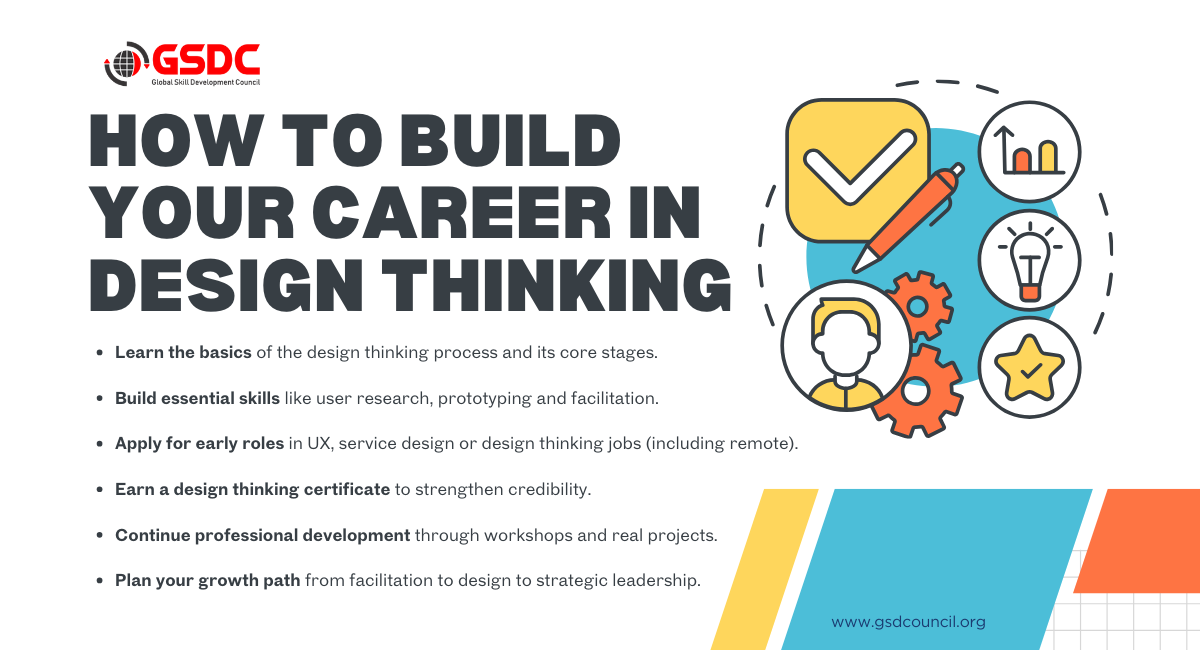
As you build your design thinking career, GSDC helps you move from theory to real-world application. Starting with the Certified Design Thinking Professional credential gives you a solid foundation and the confidence to use design thinking effectively in practical situations.
From there, GSDC supports your growth through hands-on learning, industry-focused projects and guidance tailored to modern product, business design and innovation roles. Whether you're exploring remote opportunities or aiming for strategic positions, GSDC helps you progress with clarity and direction.
Conclusion
Careers in design thinking are growing quickly - from entry-level facilitators to senior roles in product innovation and business design. With rising demand, remote opportunities, competitive salaries and countless design thinking examples across industries, this is a great time to step into the field.
If you’re exploring what design jobs are in demand or planning a move into innovation, start by learning the design thinking process, practising the core skills and building a strong portfolio.
When you’re ready, take the next step: explore courses, join workshops, connect with mentors and begin your journey into the world of design thinking with confidence.

Related Certifications
Stay up-to-date with the latest news, trends, and resources in GSDC
If you like this read then make sure to check out our previous blogs: Cracking Onboarding Challenges: Fresher Success Unveiled
Not sure which certification to pursue? Our advisors will help you decide!