How to Become a Strategic Business Partner (And Get Paid for It)

Written by Matthew Hale
- What Is a Strategic Business Partner?
- Why This Role Matters: The Numbers Are Hard to Ignore
- Strategic HR Business Partner Job Description: What the Role Actually Involves
- Strategic HR Business Partner Salary: What to Expect
- Skills Needed for the Strategic Business Partner Role
- How to Build Strategic Partnerships: A Six-Step Roadmap
- Real-World Examples of Strategic Business Partnership
- Common Mistakes to Avoid
- Self-Assessment: Are You Ready?
- Ready to take the next step?
- The Future Belongs to Strategic HR Leaders
When was the last time HR was invited to the table before a major business decision - not after it?
For most HR professionals, that question stings a little. They are doing solid work - managing hiring, handling compliance, running programs - but they know they are capable of more. They want to influence strategy, shape culture, and drive business outcomes. They want to become a strategic business partner.
This blog is their roadmap - and yours, whether you are in HR, finance, operations, or anywhere else looking to move from functional expert to true business advisor.
What Is a Strategic Business Partner?
A strategic business partner is not a job title. It is a mindset.
It is someone - often in HR, finance, or operations - who goes beyond their functional role to align their work directly with the broader goals of the organization. Rather than processing transactions, they ask: "How does what I do move the business forward?"
In the HR world, HR as a strategic business partner means transforming from a support function into a proactive driver of talent strategy, organizational design, workforce planning, and culture - all tied to measurable business outcomes. David Ulrich formalized this through the strategic HR business partner model in the 1990s, repositioning HR professionals as business advisors, not policy administrators. That framework is more relevant today than when it was first published.
Why This Role Matters: The Numbers Are Hard to Ignore
Remote work, AI disruption, skills gaps, retention pressure - these are no longer just HR problems. They are business problems. And that distinction matters enormously for how HR positions itself.
Research from Josh Bersin Co. (2024) found that only 11% of organizations operate HR at the highest strategic maturity level. The gap between those companies and the rest is staggering:
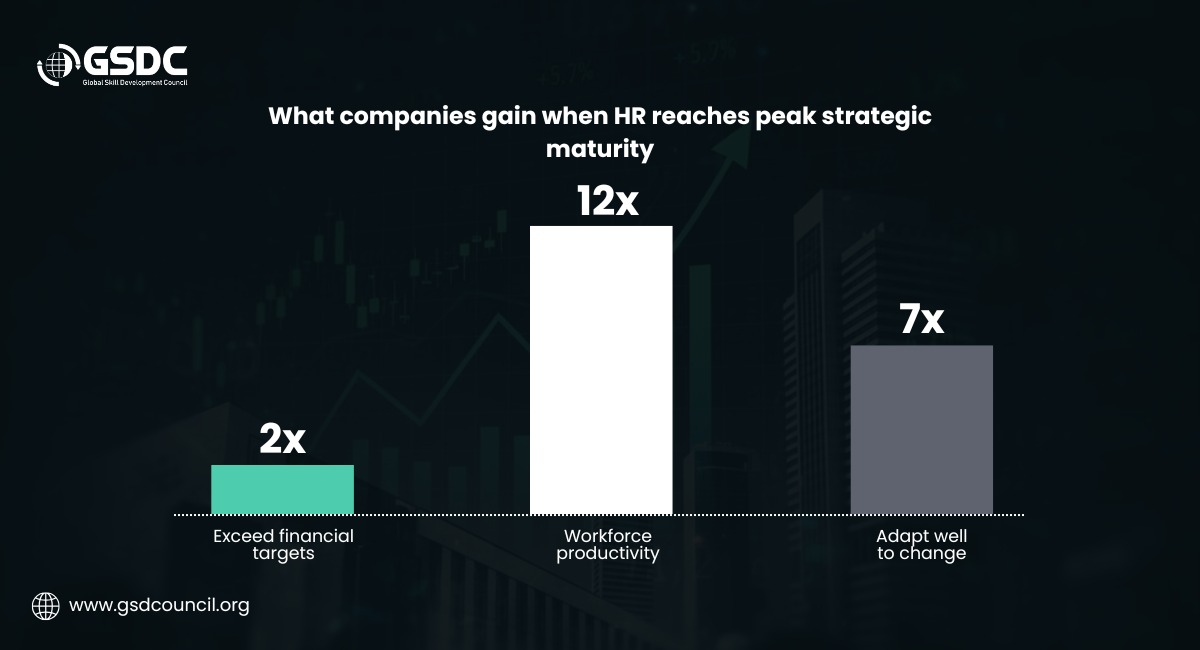
Figure 1: What companies gain when HR reaches peak strategic maturity
Source: Josh Bersin Co., 'A New, Transformed Role For The HR Business Partner
Employee engagement tells the same story. Gallup's 2025 State of the Global Workplace report found that global engagement dropped to just 21% in 2024, costing an estimated $438 billion in lost productivity worldwide.
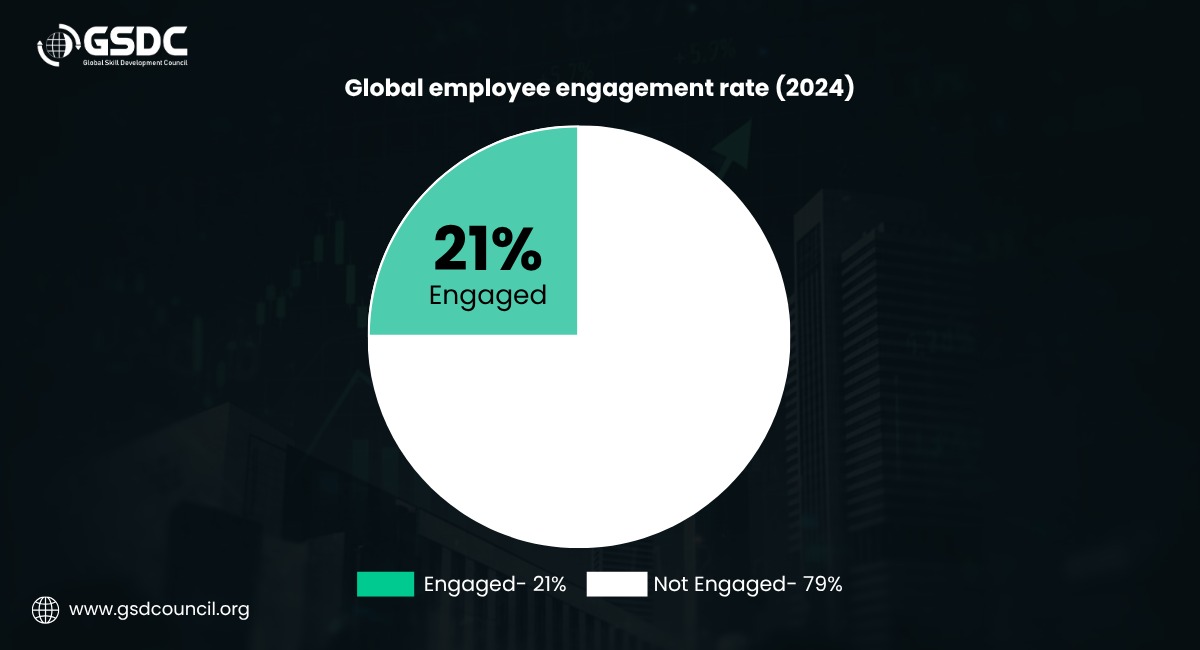
Figure 2: Global employee engagement rate (2024)
Source: Gallup, State of the Global Workplace 2025
The Gartner data reinforces this: organizations that closely align performance management with employee and business needs can realize significant gains across the workforce. When HR leads strategically, the business feels it.
Strategic HR Business Partner Job Description: What the Role Actually Involves
Gartner research shows HR Business Partners make up 28% of total HR headcount - the largest HR subfunction. Yet most HRBPs spend the majority of their time on reactive, administrative work. A well-designed strategic HR business partner job description deliberately flips that ratio.
Core responsibilities typically include:
- Partnering with senior leaders to translate business goals into people strategies
- Leading workforce planning, succession planning, and talent development
- Using HR data and analytics to drive decisions on hiring, retention, and performance
- Advising on change management through restructuring, mergers, or transformation
- Coaching managers on engagement, team dynamics, and leadership effectiveness
- Proactively identifying workforce risks before they become business problems
- Collaborating cross-functionally with finance, legal, operations, and marketing
Strategic HR Business Partner Salary: What to Expect
Compensation reflects the premium organizations place on strategic capability. According to PayScale 2026 data, the median US base salary for a Senior HR Business Partner with strategic planning skills is $109,045, with total compensation reaching up to $153,000. At the director level, Glassdoor data shows $176,000–$205,000 at major corporations - compared to $55,000–$75,000 for a traditional HR generalist.
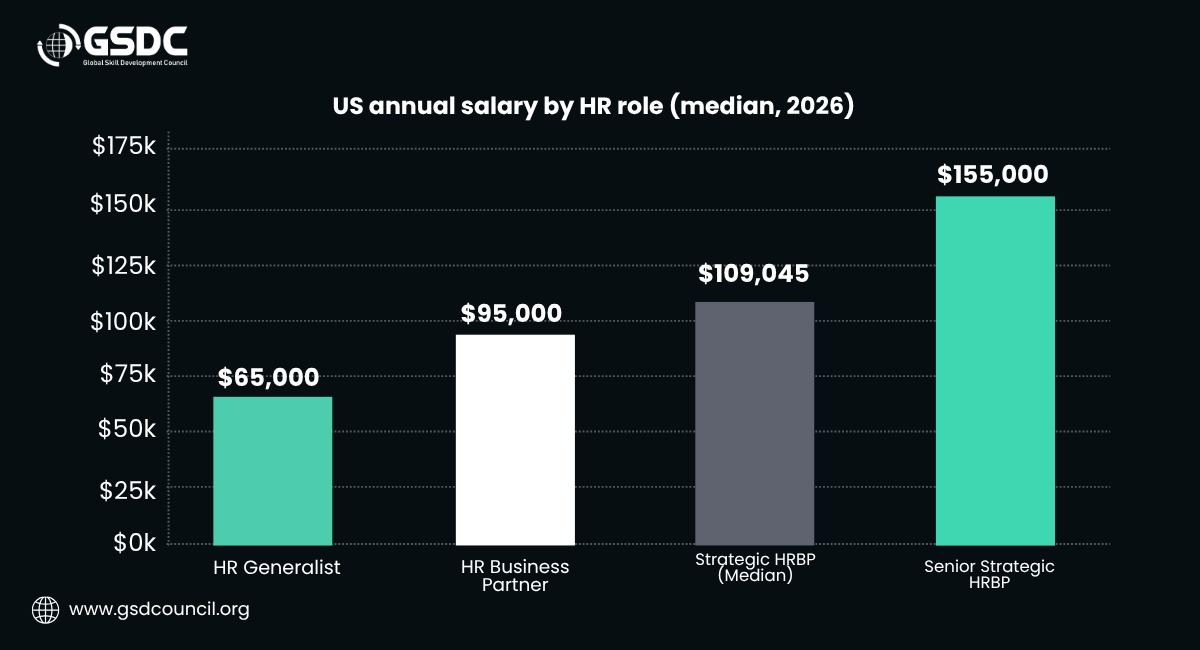
Figure 4: US annual salary by HR role (median, 2026)
Source: PayScale 2026 & Glassdoor 2024–2025
Skills Needed for the Strategic Business Partner Role
You need a hybrid profile - part analyst, part advisor, part communicator, part leader. And the skills bar is rising fast. McKinsey's HR Monitor 2025 confirmed that only 12% of US HR leaders currently conduct strategic workforce planning with a three-year or longer horizon.
Business Acumen
Know your company's revenue model, competitive position, and KPIs. Read the annual report. Sit in on business reviews. Ask leaders what keeps them up at night.
Data Literacy
According to SHRM, 26% of HR departments used AI in 2024 - primarily for talent acquisition and analytics. Gartner projects 60% adoption by 2025. Comfort with people analytics platforms is now baseline, not advanced.
Strategic Thinking
Connect a spike in absenteeism to a systemic leadership issue three departments away. Think in patterns, not isolated incidents.
Executive Communication
Influence without authority. Present a people analytics dashboard to the CFO in the morning. Facilitate a difficult team conversation in the afternoon.
Change Management
Lead organizations through technology rollouts, restructuring, or cultural shifts. According to Gartner, organizations that address productivity strategically can increase employee output by up to 35%.
Emotional Intelligence
Trust is the currency of strategic partnerships. It is built through empathy, discretion, and follow-through - not through seniority or title.
AI adoption across HR functions is growing fast - and strategic business partners who lead that integration will be far more valuable than those who resist it.
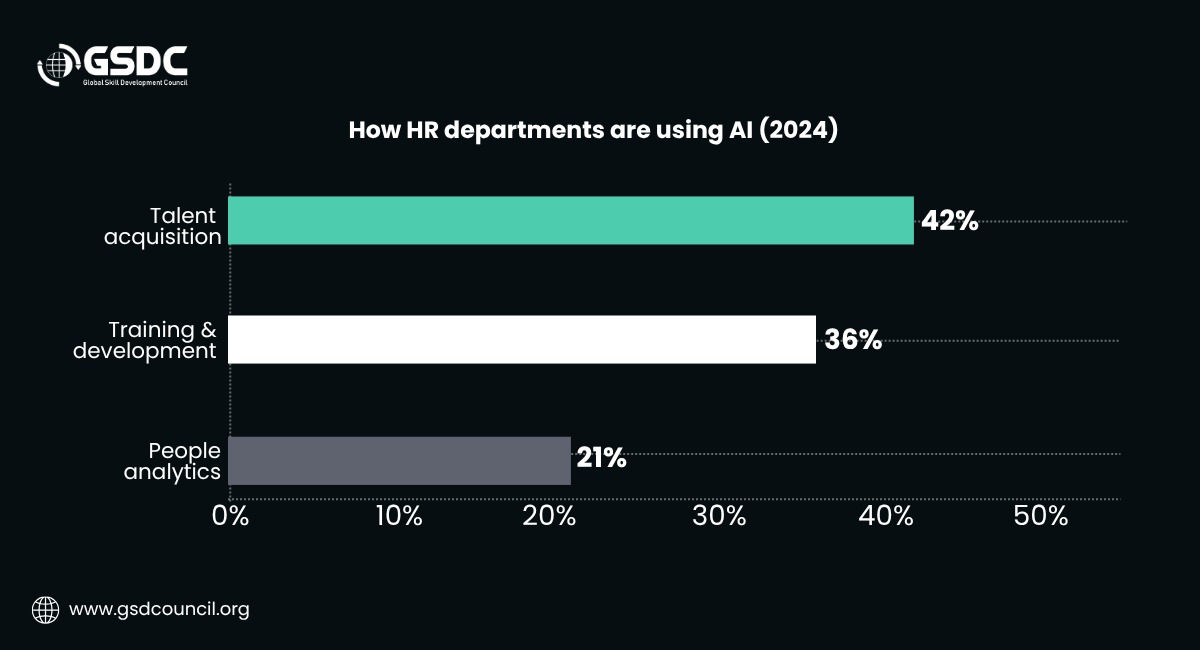
Figure 6: How HR departments are using AI (2024)
Source: SHRM Labs Strategic Workforce Planning Report, 2024
How to Build Strategic Partnerships: A Six-Step Roadmap
Step 1: Understand the business before anything else
Schedule time with leaders - not to talk about HR, but to understand their goals and pressures. Only 12% of US HR leaders currently plan with a 3-year lens (McKinsey). Be one of them.
Step 2: Connect every HR initiative to a business outcome
Shift from "HR runs training" to "HR reduces performance-related attrition by X%". Language matters at the leadership table.
Step 3: Build credibility through quick wins
Identify one real pain point in a business unit. Solve it with a data-driven people solution. Document and share the outcome. Repeat.
Step 4: Close your skills gaps intentionally
Map where you are versus where you need to be - in finance literacy, executive presence, or digital HR tools. Build a personal development plan around those gaps.
Step 5: Enroll in a recognized programme
A strategic HR business partner programme - through Global Skill Development Council - gives you both the framework and the credibility to operate at the strategic level.
Step 6: Build allies across the business
Finance, operations, marketing - understand their worlds. When you are invaluable to the business, you get invited before decisions are made, not after.
Real-World Examples of Strategic Business Partnership
Google - People Analytics
Google used data science to identify what makes great managers, developing Project Oxygen - a feedback program that measurably improved team performance, and HR as a strategic business partner at its most sophisticated.
Microsoft - Culture Transformation
Satya Nadella's HR strategic partners led a years-long culture shift toward a growth mindset that directly contributed to Microsoft becoming one of the world's most valuable companies. Culture, managed strategically, is a financial asset.
LEGO - Distributed HRBP Model
Per Josh Bersin's 2024 Systemic HR report, LEGO restructured its HRBP model so senior HR business partners lead specialist teams rather than acting as generalists. The result: greater strategic depth and measurable productivity gains.
US Healthcare Network
A Midwest hospital network used exit data analysis to identify scheduling and management root causes behind a nursing shortage. Targeted retention programs reduced turnover by 22% in 18 months - saving millions in agency costs.
Common Mistakes to Avoid
Waiting to be invited
Strategic contribution rarely comes via invitation. Create the opportunity by solving real problems proactively.
Staying in the HR echo chamber
If you only talk to HR people, you only think like an HR person. Get out into the business.
Reporting activities instead of outcomes
Running a program is an activity. Reducing attrition by 15% is an outcome. Disengaged employees cost US organizations up to $550 billion annually (Gallup) - every HR program should be tied to a business number.
Ignoring AI and analytics
Deloitte research shows 63% of companies now use AI for workforce management. Professionals who cannot navigate these tools will find themselves cut out of strategic conversations.
Self-Assessment: Are You Ready?
- I understand my company's business model and competitive strategy
- I use data to support my recommendations to leaders
- I can speak confidently about financial performance and key business metrics
- I have strong relationships with at least 3 senior leaders outside HR
- I tie every people initiative to a specific, measurable business outcome
- I am actively pursuing formal learning or certification in strategic HR or business strategy
Five or more checked? You are well on your way. Fewer? You now know exactly where to focus.
Strategic HR leadership is no longer optional - it is becoming one of the most valuable capabilities in modern business.
Ready to take the next step?
Explore the Global Skill Development Council’s Certified HR Business Partner Programme - designed to help professionals build strategic HR leadership skills through structured learning, expert mentorship, and globally recognized credentials trusted across industries.
The Future Belongs to Strategic HR Leaders
Becoming a strategic business partner is a gradual shift in how you think, communicate, spend your time, and measure your own success. It asks you to care as much about the balance sheet as the people behind it.
Only 11% of companies have unlocked the full potential of strategic HR - and those that have are twice as likely to beat their financial targets. The opportunity is massive. The professionals who will lead the next decade of business forward will be the ones who understand that people strategy and business strategy are the same thing.
They will be strategic business partners. They will look a lot like you - if you start today.

Related Certifications
Stay up-to-date with the latest news, trends, and resources in GSDC
If you like this read then make sure to check out our previous blogs: Cracking Onboarding Challenges: Fresher Success Unveiled
Not sure which certification to pursue? Our advisors will help you decide!