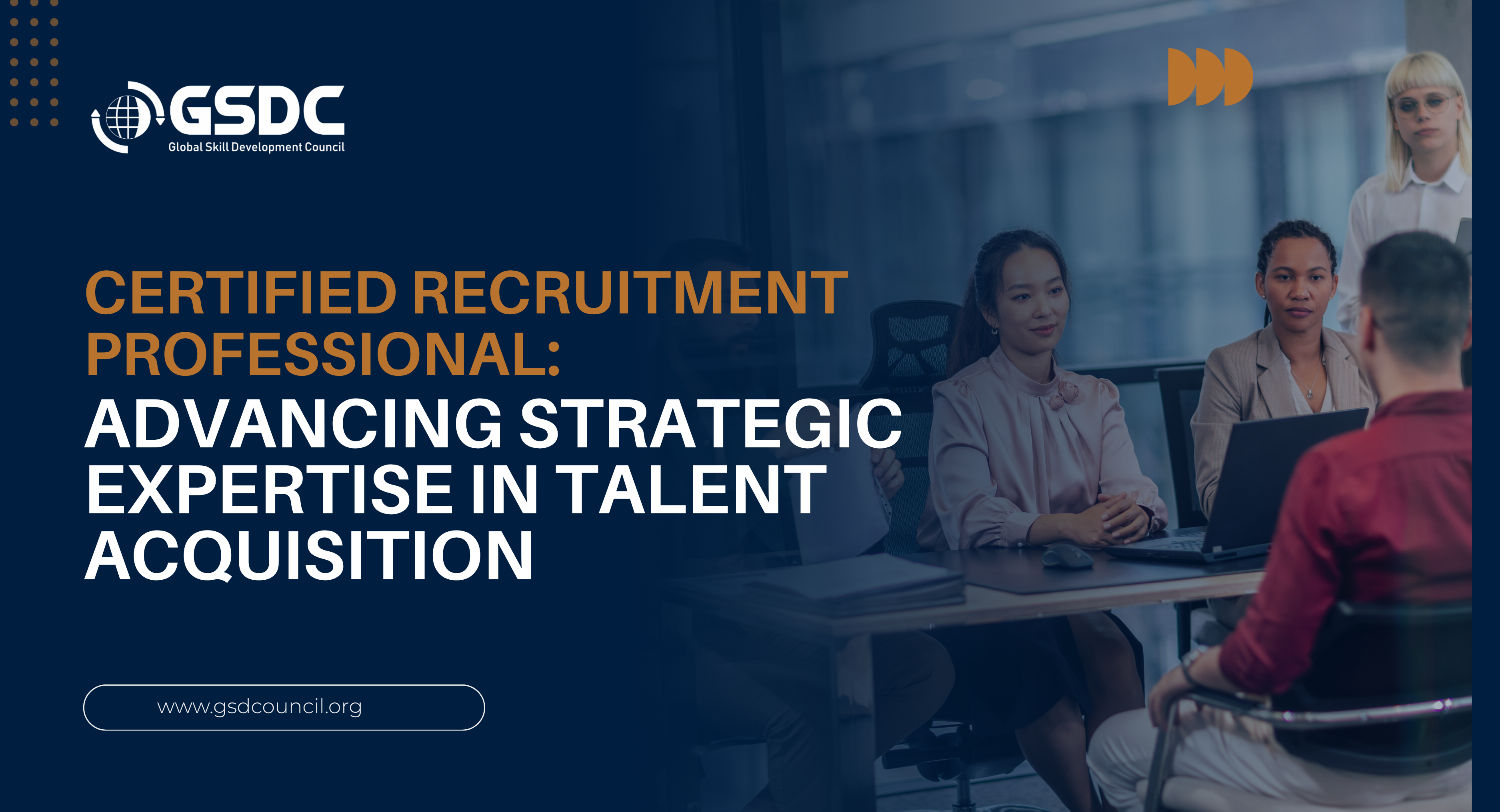
Certified Recruitment Professional: Building Strategic Expertise in Talent Acquisition
Written by Matthew Hale
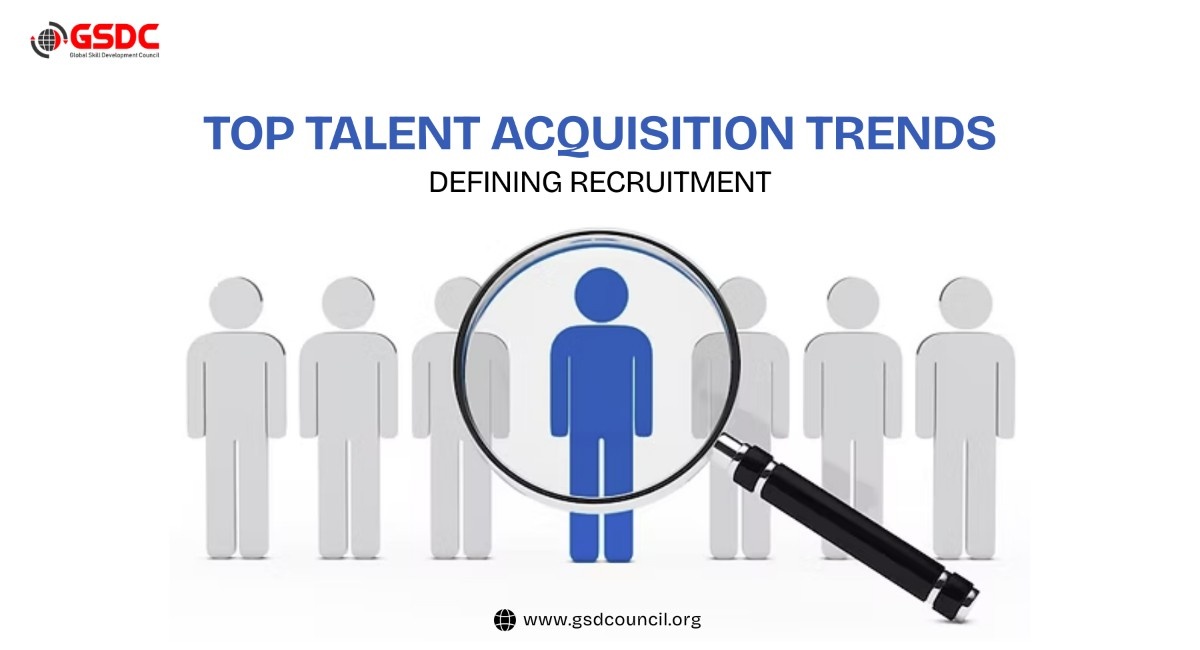
Every recruiter can feel the shift. The role isn’t just about filling positions anymore - it’s about guiding organizations toward the talent that will shape their future. Expectations are higher, technology is deeply integrated, and recruitment has evolved into a strategic function at the heart of business success.
Recent industry data shows that in early 2025, employment of temporary and contract workers declined by about 9% compared to the previous quarter, while sales dropped nearly 11% year-on-year. Meanwhile, the median staffing firm’s revenue fell around 7% in 2024 and is projected to dip slightly in 2025 before rebounding.
In this changing landscape, understanding the recruitment career path and mastering the pillars of recruitment - sourcing, engagement, branding, analytics, and ethics - has become vital. Developing these capabilities not only enhances career growth but also ensures relevance in a competitive and data-driven industry.
From Recruiter to Talent Strategist
Recruitment has moved far beyond filling open positions - it now focuses on shaping a future-ready workforce. The modern recruiter is no longer just a connector between candidates and companies but a talent strategist who aligns hiring practices with long-term business goals.
Artificial Intelligence (AI) and automation have redefined the process - not by replacing human expertise but by amplifying it. Recruiters now use AI-powered sourcing, automated screening, and predictive analytics to make faster, smarter, and more inclusive decisions.
Here’s how this transformation is reshaping recruitment:
- Strategic Workforce Planning: Moving from reactive hiring to proactive forecasting of future skill needs.
- Data-Driven Insights: Using analytics to understand talent availability and measure recruitment ROI.
- Employer Branding & Candidate Experience: Combining automation with human touch to create meaningful engagement.
- Consultative Partnership: Acting as advisors to leadership, helping design agile, high-performing teams.
- Championing DE&I: Embedding diversity, equity, and inclusion into every stage of hiring.
- Internal Mobility & Upskilling: Encouraging talent growth within organizations to strengthen long-term capability.
Mastering these approaches strengthens the pillars of recruitment and transforms recruiters from operational executors into strategic business partners.
Top 10 Modern Recruitment Techniques for a Smarter Hiring Strategy
Modern recruitment is about finding, engaging, and retaining the right talent through technology and strategy. Here are ten techniques reshaping how recruiters succeed in 2025:
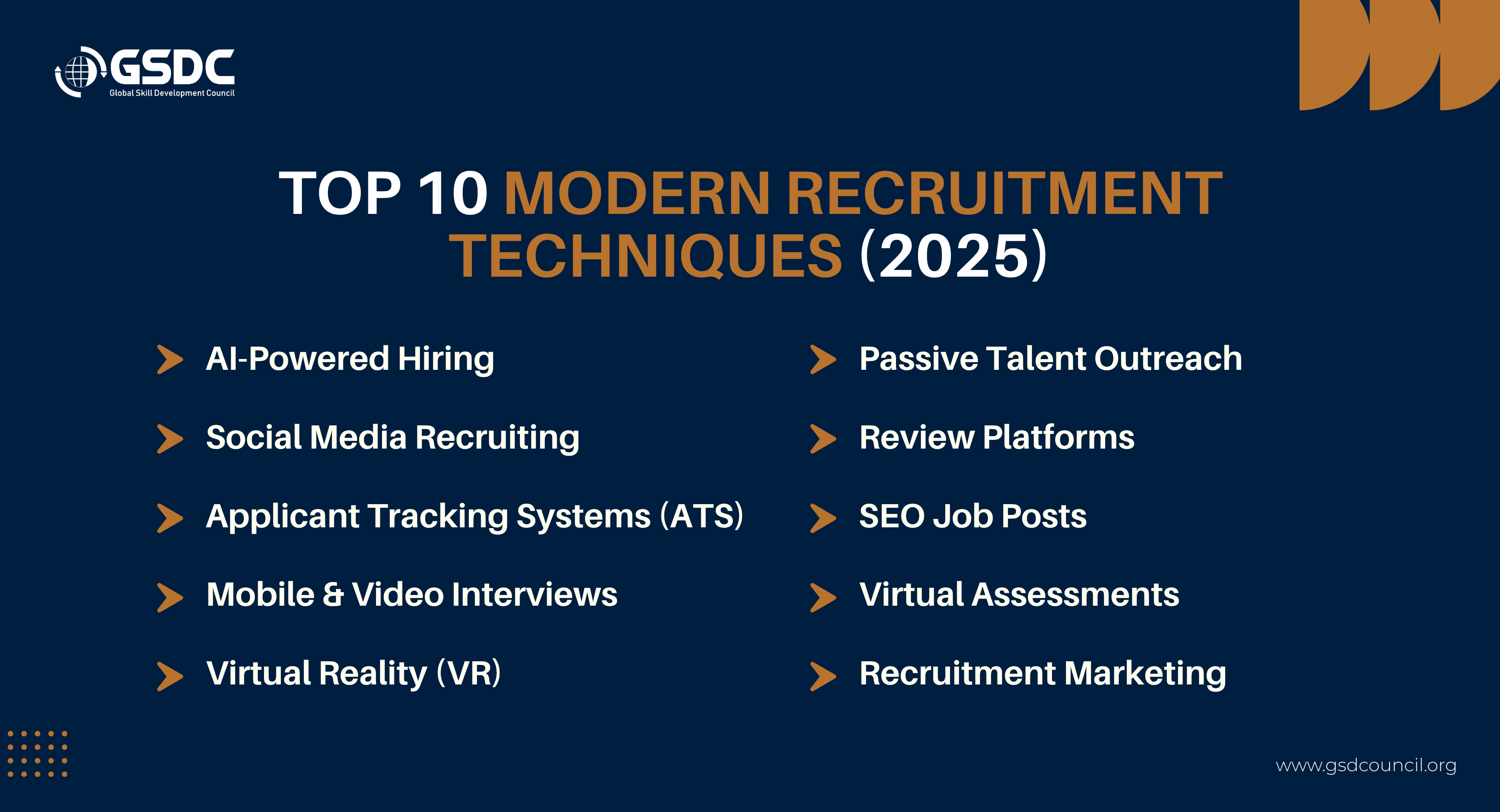
- AI-Powered Hiring: Streamlines sourcing, screening, and candidate matching for accuracy and speed.
- Social Media Recruiting: Builds strong employer brands and connects with active and passive candidates.
- Applicant Tracking Systems (ATS): Automates resume screening and improves candidate communication.
- Mobile Optimization & Video Interviews: Enhances accessibility and convenience for global candidates.
- Virtual Reality (VR): Offers immersive previews of workplace culture and onboarding experiences.
- Passive Candidate Outreach: Re-engages qualified past applicants and untapped talent pools.
- Organization Review Platforms: Strengthens credibility through transparency and reputation management.
- SEO for Job Posts: Improves job visibility and attracts quality candidates through targeted keywords.
- Virtual Personality Assessments: Identifies culture-fit and improves retention through data-backed insights.
- Recruitment Marketing Campaigns: Builds long-term candidate pipelines through targeted digital ads.
These innovations boost efficiency and align hiring with business goals. Professionals can enhance their skills with GSDC (Global Skill Development Council) programs.
From Execution to Strategy: The Next Step
Many mid-level recruiters excel at execution - sourcing, screening, and coordination - but struggle to transition into strategic roles. The most common gaps lie in three core areas:
- Strategic Communication: Presenting hiring insights and influencing leadership decisions.
- Analytical Thinking: Using data to forecast talent needs and measure impact.
- Stakeholder Management: Aligning recruitment with organizational priorities.
Bridging these areas prepares recruiters for senior roles where data, influence, and strategy converge.
Why These Skills Matter:
Developing these competencies transforms recruiters into strategic partners who:
- Drive data-backed hiring strategies aligned with business outcomes.
- Influence workforce planning with insight rather than instinct.
- Collaborate seamlessly across HR, operations, and leadership.
Path to Leadership:
By mastering these capabilities, recruiters open doors to elevated roles such as:
- Talent Acquisition Partner – collaborates closely with business units to forecast and fulfill workforce needs strategically. These roles typically earn USD 85,000–105,000 annually, reflecting their key contribution to growth.
- HR Business Partner – integrates talent strategy with long-term business goals, guiding leadership through analytics and workforce planning. Average compensation ranges between USD 95,000–120,000 annually, depending on experience and industry.
📘 Download Your Free Guide: Unlock the secrets to modern recruitment success!
Strengthening Professional Credibility
Professional credibility isn’t achieved overnight - it’s built through expertise, trust, and visibility. For mid-level recruiters, strengthening this credibility is key to advancing within the recruitment career path.
Here’s how to build it effectively:
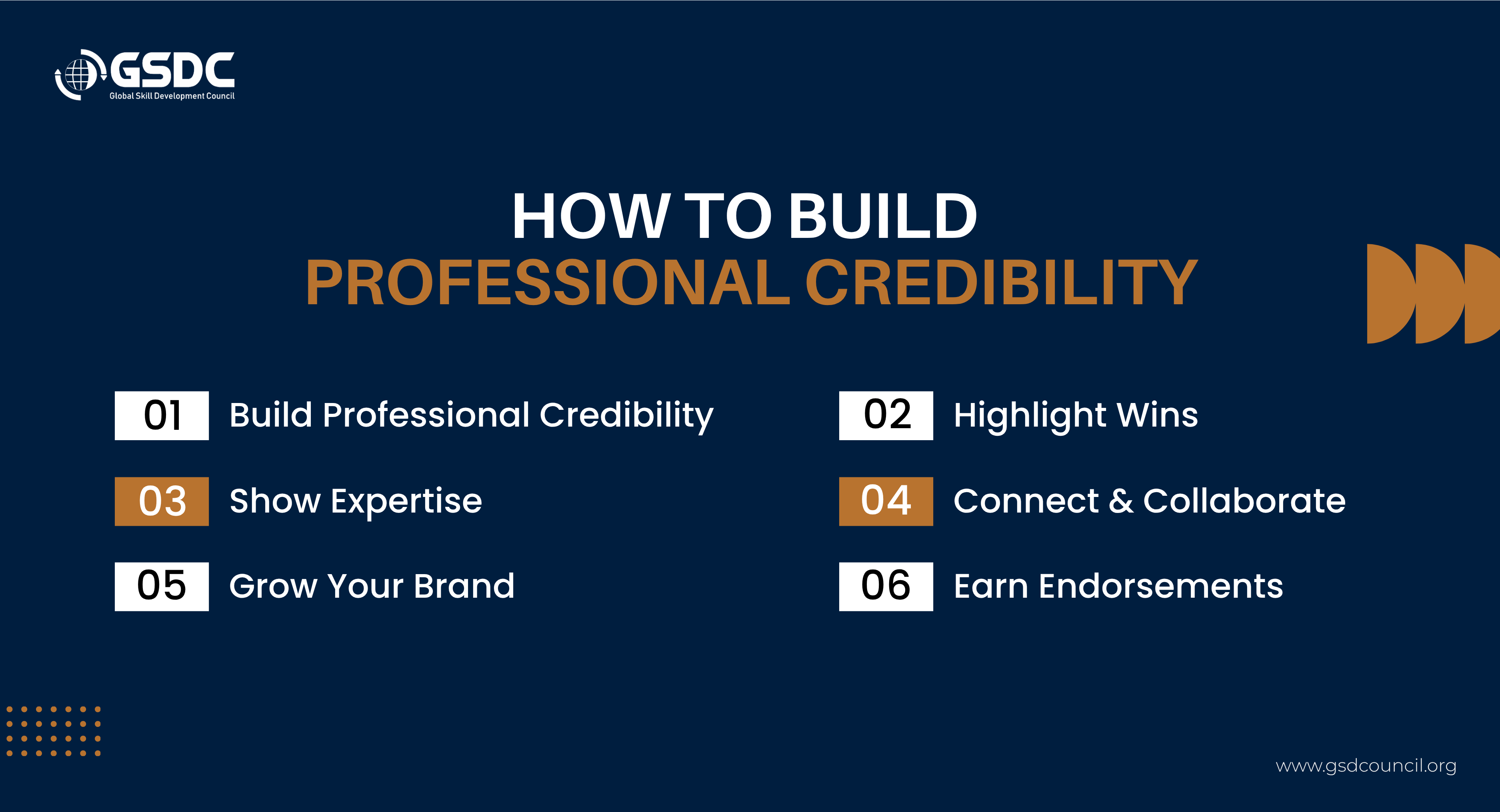
- Establish Expertise: Share insights through posts, webinars, or community forums to position yourself as a thought leader.
- Build a Consistent Personal Brand: Maintain authenticity and professionalism across platforms.
- Showcase Achievements: Highlight measurable results and recognized certifications.
- Engage & Collaborate: Network genuinely with peers and industry experts.
- Seek Feedback & Endorsements: Testimonials reinforce your reliability and work ethic.
Credibility becomes your foundation for leadership - and structured learning or a professional certification accelerates that transformation.
Why Certification Elevates Your Recruitment Career
Earning a Certified Recruitment Professional credential is a proven way to formalize expertise and demonstrate a commitment to excellence.
The Global Skill Development Council (GSDC) offers the Certified Recruitment Professional program - an industry-recognized certification covering advanced sourcing, strategic hiring, ethics, and analytics. It validates your expertise and builds credibility across the global talent ecosystem.
For those wondering how to become a certified recruiter, GSDC provides a structured pathway that helps recruiters transition from tactical roles to strategic leadership. This certification not only strengthens the pillars of recruitment but also distinguishes professionals who lead with data, insight, and confidence.

Conclusion: Moving Forward with Purpose
The journey from recruiter to strategic talent advisor begins with continuous learning, adaptability, and reflection. Recruiters who embrace technology, strategy, and professional development become indispensable business partners - not just talent finders.
By mastering modern techniques, reinforcing the pillars of recruitment, and earning a recognized credential like the GSDC Certified Recruitment Professional, you position yourself to lead the next era of talent acquisition with purpose, credibility, and confidence.
FAQ’s
1. What are the main pillars of recruitment?
The key pillars of recruitment include sourcing, engagement, employer branding, analytics, and ethics. These pillars ensure that hiring decisions are not only efficient but also align with organizational values and long-term goals.
2. How can I become a certified recruiter?
To become a certified recruiter, professionals can enroll in recognized certification programs that focus on advanced sourcing, interviewing, and strategic hiring. These programs help recruiters strengthen their expertise and stand out in the competitive talent industry.
3. What does a Certified Recruitment Professional do?
A Certified Recruitment Professional develops and executes hiring strategies using data, analytics, and workforce insights. They play a key role in aligning recruitment goals with business objectives and improving the overall talent acquisition process.
4. What are professional certifications in recruitment?
Professional certifications validate your recruitment knowledge, ethics, and technical expertise. They are ideal for recruiters aiming to move into strategic roles like Talent Acquisition Partner or HR Business Partner.
5. How much do recruiters make?
Recruiter salaries vary depending on experience and role. Entry to mid-level recruiters typically earn between USD 70,000–90,000 annually, while senior professionals such as Talent Acquisition Partners or HR Business Partners earn around USD 95,000–120,000 per year.
6. What is the recruitment career path?
The recruitment career path usually begins with roles like Recruitment Coordinator or Specialist, advancing to Senior Recruiter, Talent Acquisition Partner, and eventually HR Business Partner or Talent Strategy Leader.
A recruitment specialist focuses on identifying, engaging, and hiring candidates who fit both the role and company culture. They work closely with hiring managers to ensure that recruitment aligns with business goals and talent needs.

Related Certifications
Stay up-to-date with the latest news, trends, and resources in GSDC
If you like this read then make sure to check out our previous blogs: Cracking Onboarding Challenges: Fresher Success Unveiled
Not sure which certification to pursue? Our advisors will help you decide!