Ethical AI and Agentic Frameworks Shaping Future AI Leaders
Written by Matthew Hale
- What Does Agentic AI Mean? The Foundation of Autonomous Intelligence
- The Ethical Foundation: Building Trust and Responsibility in AI
- Bridging Technical Expertise and Ethical Vision in AI Leadership
- Empowering Leadership Through the Agentic AI Foundation Certification
- Career Impact: Building Future-Ready AI Leadership Skills
- Conclusion: Lead the Future of AI - Responsibly and Intelligently
- FAQs
Artificial Intelligence is moving beyond automation into an era of autonomy and accountability. Across industries, agentic systems are transforming how organizations operate - reasoning, learning, and acting independently.
According to industry estimates, agentic AI could unlock over USD 450 billion in value within a few years. Yet adoption remains cautious - mainly due to trust and governance challenges. This gap underscores the urgent need for ethical oversight and responsible leadership.
True AI leadership now demands ethical intelligence as much as technical mastery. Companies like IBM, Google, and Microsoft are already embedding ethical design principles into AI systems, ensuring transparency, fairness, and accountability remain central to innovation.
What Does Agentic AI Mean? The Foundation of Autonomous Intelligence
Agentic AI marks the evolution of artificial intelligence from task-based automation to goal-driven autonomy. These systems are designed to perceive, reason, and act with minimal human supervision, making strategic decisions that adapt to changing contexts and objectives.
Unlike conventional models, agentic AI frameworks rely on continuous learning loops that refine actions in real time. This enables organizations to shift from rule-based automation to self-optimizing systems that improve performance and resilience with every iteration.
Across industries, agentic AI tools are unlocking new levels of intelligence and efficiency:
- Banking and Finance: Enhancing customer engagement, risk management, and fraud detection.
- Manufacturing: Driving predictive maintenance and adaptive production control.
- Telecom: Managing traffic, resources, and customer experiences through contextual decision-making.
These agentic AI use cases highlight how autonomous systems are redefining operational agility and innovation. For professionals leading this transformation, understanding what agentic AI means is foundational to building scalable, trustworthy intelligence that aligns human and machine goals.
The Ethical Foundation: Building Trust and Responsibility in AI
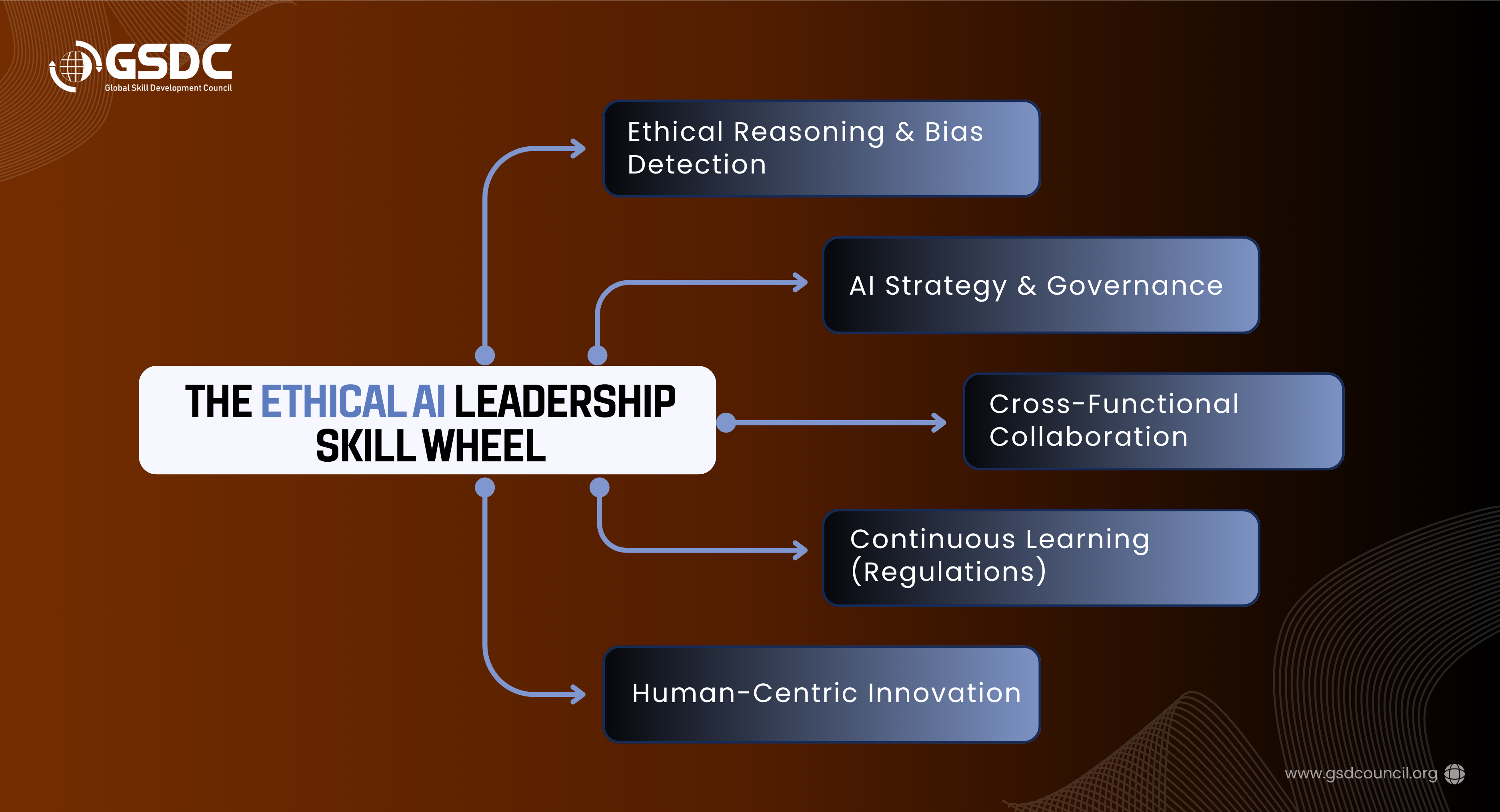
Artificial intelligence has become a leadership responsibility, not just a technical one. As AI influences decisions in education, business, and governance, ethical AI ensures fairness, transparency, and accountability.
Yet, many organizations are adopting AI faster than they’re managing its risks. Ethical AI leaders bridge this divide - aligning innovation with integrity, safeguarding privacy, and fostering long-term trust.
Core Principles of Ethical AI:
- Fairness: Removing bias and promoting inclusive decisions.
- Transparency: Ensuring processes are explainable and auditable.
- Accountability: Keeping humans responsible for AI outcomes.
- Beneficence: Designing systems that serve people and society.
Recent findings show 87% of business leaders believe ethical readiness and reskilling are critical for the AI-driven future of work. Moreover, a global research firm projects that by 2027, nearly 70% of organizations will require formal AI governance frameworks.
Ethics, once a compliance requirement, has now become a strategic leadership skill.
📥 Download the Agentic AI Certification Handbook and explore future-ready career paths.
Bridging Technical Expertise and Ethical Vision in AI Leadership
AI leadership is evolving. Tomorrow’s leaders are not just technologists - they are ethical visionaries who balance innovation with responsibility. In an era where machines can act independently, integrity must guide intelligence.
Why this balance matters:
- AI systems now influence hiring, healthcare and finance, and governance.
- The rise of agentic AI demands professionals who understand both technical architecture and ethical oversight.
- Organizations increasingly value leaders who can translate AI concepts into human-centered outcomes.
The emerging leadership skillset:
- Ethical Fluency: Understanding fairness, accountability, and transparency in algorithmic decisions.
- Strategic Adaptability: Applying agentic AI frameworks to real-world, data-driven leadership.
- Human Oversight: Ensuring AI acts with intent aligned to organizational values.
Global momentum toward responsible AI:
- New frameworks like the OECD AI Principles, UNESCO’s AI Ethics Framework, and the EU AI Act emphasize accountability and human-centric design.
- 87% of global business leaders believe reskilling in ethical AI will be essential as AI transforms workforces worldwide.
The future of leadership:
AI leadership is shifting from command of technology to stewardship of trust. As CEO of Microsoft Satya Nadella aptly stated, “AI must be humanity’s co-pilot, not its replacement.”
The leaders who integrate ethical foresight with technical depth will shape the next intelligent economy - where every autonomous system reflects human purpose, not just precision.
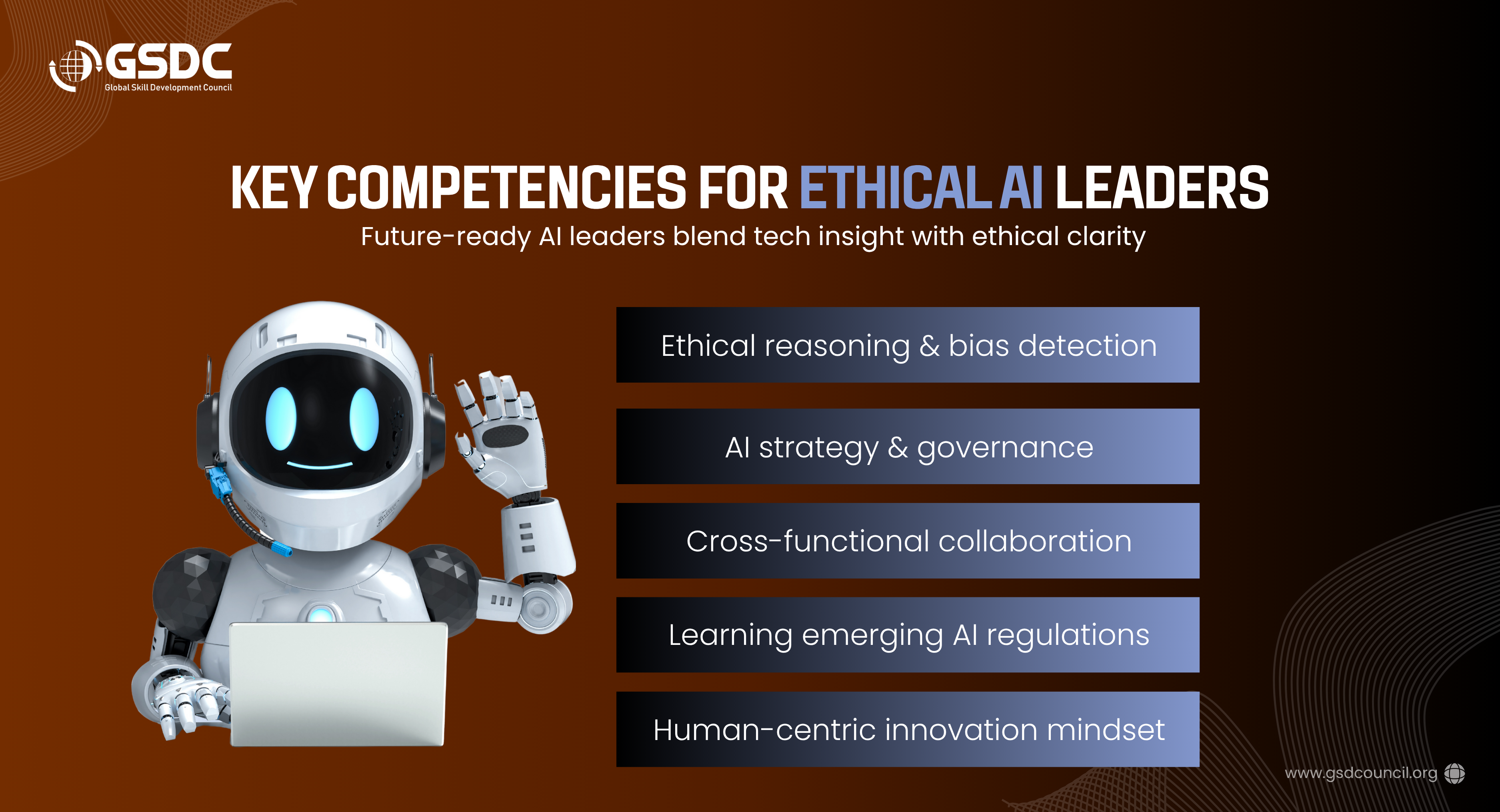
Leadership in Action: What Industry Insights Reveal
A Financial Times analysis of S&P 500 earnings calls found that 374 companies mentioned AI, and 90% described it optimistically. Yet, many couldn’t articulate tangible business outcomes - highlighting a leadership gap, not a technology one.
Key findings from leadership research highlight five competencies essential for AI-era executives:
- Span Organizational Boundaries – Build diverse networks across industries, startups, and regulators to foster innovation and awareness.
- Redesign Organizations – Integrate AI into redesigned processes and structures, rather than bolting it onto legacy systems.
- Orchestrate Team Collaboration – Use AI not only as a tool but as a “thinking partner” in decision-making.
- Coach and Develop Talent – Shift from inspection to coaching, helping teams adapt and upskill with AI.
- Lead by Example – Actively use AI in daily work to model adoption and experimentation.
Earning a professional certificate in agentic or ethical AI helps leaders strengthen these competencies, bridging the gap between strategic vision and practical AI adoption. Organizations like Microsoft, SAP, and PepsiCo showcase how ethical AI leadership fuels measurable transformation.
Empowering Leadership Through the Agentic AI Foundation Certification
The Global Skill Development Council (GSDC) - an international certification body advancing future-ready skills - offers the Agentic AI Foundation Certification for professionals eager to bridge technical innovation and ethical responsibility.
This program empowers learners to:
- Understand and apply agentic AI frameworks responsibly.
- Strengthen ethical judgment in AI governance and decision-making.
- Lead AI-driven transformations with confidence and credibility.
Unlike typical AI courses, this certification uniquely blends technical depth with ethical foresight - shaping leaders ready for the intelligent, autonomous future.
Career Impact: Building Future-Ready AI Leadership Skills
The rise of agentic and ethical AI has created demand for hybrid leaders - professionals who understand both data science and responsible governance. These leaders balance innovation with integrity, ensuring AI systems remain transparent, fair, and accountable.
Emerging AI Leadership Roles
|
Role |
Key Responsibility |
|
AI Ethics Officer |
Ensures responsible AI implementation, fairness, and data privacy. |
|
AI Strategy Manager |
Integrates AI into core business strategy and decision-making. |
|
AI Governance Lead |
Oversees transparency, compliance, and ethical AI operations. |
Average AI Salaries (USA, 2025)
|
Job Title |
Median Annual Salary (USD) |
|
AI Engineer |
134,188 |
|
Machine Learning Engineer |
123,117 |
|
Data Scientist |
118,399 |
|
AI Researcher |
99,578 |
|
Robotics Engineer |
113,270 |
Professionals with ethical AI expertise are seeing faster career growth, cross-functional leadership roles, and greater influence in digital transformation initiatives. Organizations increasingly reward leaders who can translate technical intelligence into strategic and ethical advantage, defining the future of responsible AI leadership.
The GSDC continues to play a crucial role in developing global standards for responsible AI, empowering professionals to build the skills and frameworks essential for ethical and agentic AI leadership.Conclusion: Lead the Future of AI - Responsibly and Intelligently
The future of artificial intelligence will be defined not only by the sophistication of its systems but by the integrity of its leaders. As organizations embrace agentic AI - systems that act, learn, and decide autonomously - the demand for professionals who can balance innovation with ethical foresight continues to rise.
True leadership in AI lies in shaping technology that reflects human values, fosters trust, and delivers sustainable impact. By cultivating both technical mastery and ethical vision, professionals can guide the next wave of AI transformation - responsibly, intelligently, and with purpose.FAQs
1. What does agentic AI mean?
Agentic AI refers to intelligent systems that act, learn, and make decisions autonomously with minimal human input.
2. What is the Agentic AI Foundation Certification?
It’s a professional certification that trains leaders to manage autonomous AI systems with technical and ethical expertise.
3. What does an Agentic AI Certification Course include?
It covers agentic AI frameworks, governance, ethical principles, and leadership skills for responsible AI adoption.
4. Why is the ethical use of AI important?
It ensures AI systems remain transparent, fair, and accountable while protecting privacy and public trust.
5. What is ethical AI?
Ethical AI aligns technology with fairness, transparency, and human values to ensure responsible outcomes.
6. How does ethical use of AI in education help?
It safeguards student data, reduces bias, and promotes fairness in learning systems and assessments.
7. What is an ethical AI framework?
It’s a structured approach ensuring AI systems are explainable, unbiased, and governed responsibly.
8. What is the role of agentic AI in organizations?
Agentic AI enhances decision-making, automation, and collaboration while requiring strong ethical oversight.
9. How does agentic AI certification support career growth?
It prepares professionals for roles in AI governance, ethics, and strategy critical in the intelligent economy.
10. Why pursue the Agentic AI Foundation Certification?
It helps leaders combine technical mastery with ethical vision to guide AI innovation responsibly.

Related Certifications
Stay up-to-date with the latest news, trends, and resources in GSDC
If you like this read then make sure to check out our previous blogs: Cracking Onboarding Challenges: Fresher Success Unveiled
Not sure which certification to pursue? Our advisors will help you decide!