Generative AI for Operations: From Automating Tasks to Creating Real Business Impact
Written by Matthew Hale
- What Is Generative AI in Operations?
- The Real Problem in Operations Today
- How Generative AI Automates Routine Work
- How AI Enables Higher-Value Work
- Simple Example: AI in Action
- Does AI Replace People?
- How to Start Using Generative AI in Operations
- Turn Generative AI Knowledge into Operational Impact
- Final Thoughts
For many teams, generative AI still feels like a tool used primarily for writing emails or answering simple questions. But inside factories, service centres, and IT operations, it is already changing how everyday work gets done.
Instead of opening multiple dashboards, downloading reports, or digging through spreadsheets, professionals are now asking plain-language questions and receiving clear, data-based answers. Through initiatives like the GSDC AI Tool Challenge, teams have already begun applying generative AI technology directly inside operational workflows connecting SOPs, sensor data, and maintenance systems to drive real, measurable business impact.
What Is Generative AI in Operations?
Generative AI in operations works like a virtual assistant who understands everyday language and is able to interpret SOPs, repairs, sensor readings, and performance data. Rather than having to go back and forth between systems or look at Excel documents, all a team has to do is ask what is going on on the shop floor.
For example, someone can ask, “Why is my production line running slower today?” and receive an instant, data-based explanation that highlights where the problem might be coming from.The Real Problem in Operations Today
Although the global potential of generative AI is estimated between $2.6 and $4.4 trillion, the speaker highlighted that fewer than 5% of organizations are seeing meaningful AI business impact.
The reason is not a lack of technology it is the way daily operational work is still done.
- Senior workers are retiring and taking critical process knowledge with them.
- New employees struggle because they don’t have direct operational experience.
- Operators are spending around 10 to 20 minutes looking for the relevant SOPs in production.
- Maintenance teams still operate reactively instead of preventing failures.
- Root-cause analysis is often weak due to poor problem statements and data gaps.
- Teams are working with a variety of disconnected systems without clear views.
- Delayed problem resolution causes downtime, scrap, and lost business impact.
How Generative AI Automates Routine Work
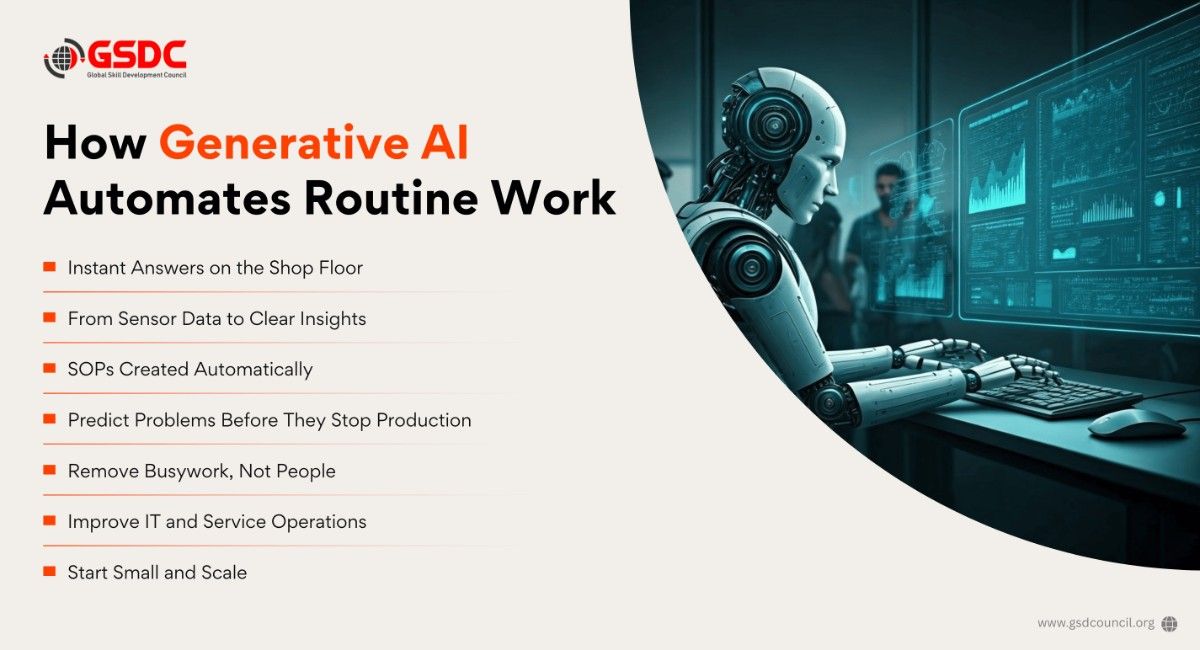
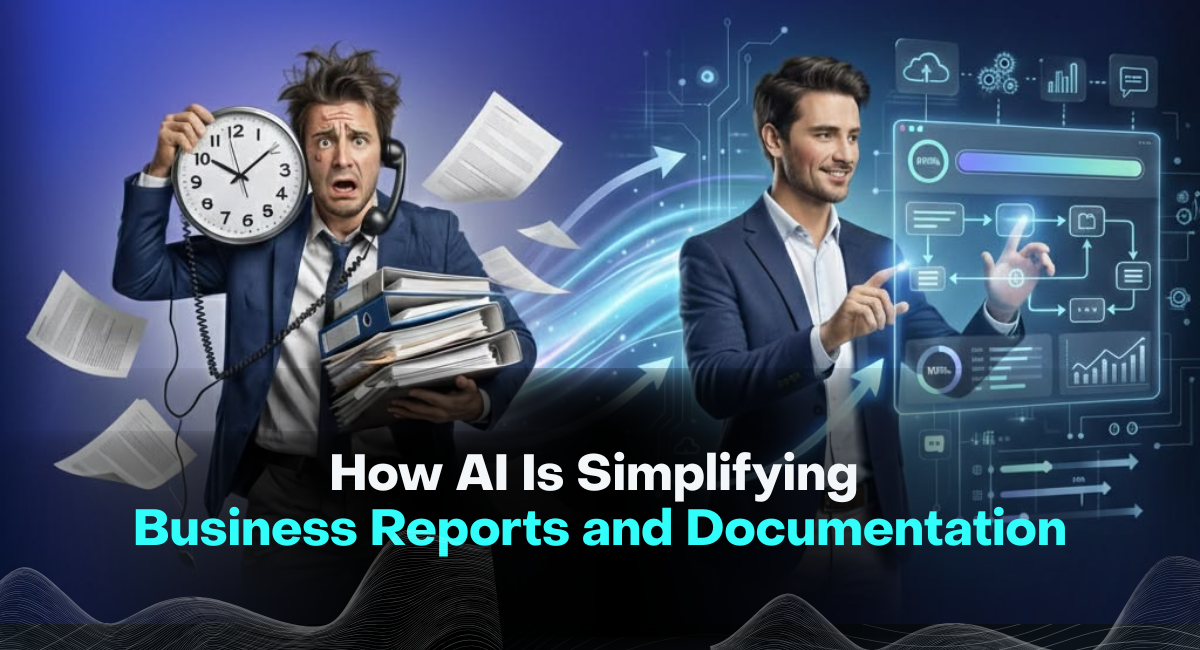
Instead of spending hours searching files, analyzing dashboards, or writing documentation, teams now use generative AI as a daily operations assistant. It connects data from SOPs, MES, CMMS, and sensor systems, turning complex information into simple answers and enabling faster decisions with real business impact.
1. Instant Answers on the Shop Floor
With generative AI tools, operators are no longer looking in manuals or among folders for how to fix an error or where an SOP is stored; the system pulls the right answer from maintenance logs and process documents within a second of asking.
2. From Sensor Data to Clear Insights
Machines create huge volumes of data every second. Using generative AI models, the system reads vibration and performance trends and explains what is going wrong — such as identifying a bearing likely to fail — creating real AI business impact without extra dashboards.
3. SOPs Created Automatically
There is the potential for the Generative AI Technology to analyze videos from time studies and generate step-by-step work instructions, eliminate wasted motions, and trim unnecessary tasks – what used to take days is done in minutes.
4. Predict Problems Before They Stop Production
When combined with maintenance systems, AI flags early failure signs and, using agentic AI tools, can trigger work orders. This is the practical difference in agentic AI vs generative AI — insight plus action for measurable business impact analysis.
5. Remove Busywork, Not People
AI is expected to automate tasks such as searching for data and preparing reports, and not jobs. This is an essential mental shift towards long-term ai impact.
6. Improve IT and Service Operations
These same ai business use cases apply to ai for it operations, helping teams reduce incident time and improve first-call resolution.
7. Start Small and Scale
Pick one problem, measure one metric, and expand only when results are proven.
How AI Enables Higher-Value Work
- Solve the right problems first: Generative AI explains why performance is dropping by reading MES, CMMS, and sensor data, so engineers go straight to the real issue instead of guessing.
- Spend time on improvement, not searching: With generative AI tools, teams stop hunting through manuals and spreadsheets and focus on improving throughput and quality.
- Train new employees faster: Employees with questions could ask in simple English and receive immediate answers from SOPs and maintenance records.
- Make smarter decisions every day: Clear explanations from generative AI models replace confusing dashboards, improving daily business impact analysis.
- Turn insights into action: The system, when combined with agentic AI tools, doesn't just flag the problems but creates work orders or triggers workflows to actually show the real difference in agentic AI vs. generative AI.
- Reduce burnout, not headcount: It's about removing people, but removing boring work. This means long-term AI business impact through higher productivity and better morale.
Simple Example: AI in Action
An engineer asks the system why equipment efficiency is dropping.
Based on the generative capacity of the Generative AI, the system assesses the performance data and sensor metrics and explains a lower availability level this week, with a trend in vibrations indicating a near-failed bearing, enabling the engineer to target the correct component immediately rather than wasting hours diagnosing where the problem originated.
Does AI Replace People?
- AI finds patterns in data – generative AI models scan MES, CMMS, and sensor information to surface hidden trends that humans might miss.
- AI points to areas to search – It reduces a problem to the most likely cause, which would be the Unavailability or Abnormal Vibration Patterns.
- Humans validate on the floor – Engineers must verify their creations physically, AI can’t verify real-world scenarios, such as loose or damaged machine pieces.
- People perform root-cause analysis – Teams articulate the correct problem statement and validate facts instead of trusting AI blindly.
- Humans carry out corrective measures – The maintenance and operations teams carry out corrective actions.
- AI supports learning, not replacement – By removing busywork, generative AI technology strengthens long-term ai business impact without eliminating roles.
How to Start Using Generative AI in Operations
- Pick one painful task – Identify a real bottleneck, such as long maintenance response times, operators wasting time searching for SOPs, or frequent small breakdowns that reduce availability.
- Select one key metric – Choose a metric that drives the bottom line, such as MTTR, Downtime, Cycle Time, Scrap Rate, or First Time Quality.
- Apply generative AI on that small problem – The use of generative AI tools to link MES, CMMS, SOPs, and sensors to ensure that the system can explain what is occurring and why.
- Track improvement carefully – Compare improvements achieved with the implementation to base business impact analysis upon assumptions.
- Prove the value with facts – Start to demonstrate how the metric improved to create success stories out of experiments involving artificial intelligence.
- Scale only when it works – Implement this solution on other processes or business units only if it gives good results. Leverage Generative AI Insights to Create Value.
Turn Generative AI Knowledge into Operational Impact
The ability to understand the business impact of generative AI and agentic AI is becoming an increasingly necessary skill for operations, IT, and service professionals. GSDC has developed Certified AI Tool Expert with the intention of advancing education beyond intellectual frameworks and focusing on implementation through tools.
This certification mainly focuses on employing modern generative AI tools in real-world applications such as SOP processes, downtime analysis, and IT operations assistance. It is suitable for practitioners who desire practice with AI business use cases, elevate their business impact analysis competencies, and apply generative AI technology in their everyday operations with confidence.
Final Thoughts
Generative AI is not about replacing people or chasing trends. It is about helping teams work smarter, not harder. By eliminating time-wasting activities such as file searches, analyzing endless dashboards, and generating reports, it enables experts to concentrate on addressing real-world issues.
When combined with human judgment and strong governance, generative AI technology drives measurable AI business impact from reduced downtime to better decision-making. Over time, this shift transforms operations teams from data handlers into true problem solvers, creating lasting business impact across the organization.

Related Certifications
Stay up-to-date with the latest news, trends, and resources in GSDC
If you like this read then make sure to check out our previous blogs: Cracking Onboarding Challenges: Fresher Success Unveiled
Not sure which certification to pursue? Our advisors will help you decide!