How Certification Impacts Instructional Designer Salaries in the USA?

Written by Emily Hilton
- The Rising Demand for Instructional Designers in the USA
- Why Certifications Matter in an Instructional Designer Job Post?
- How Certification Impacts Instructional Designer Salaries?
- Factors That Influence Instructional Designer Salaries
- The Role of GSDC’s Certified Instructional Designer Certification
- How GSDC Certification Can Contribute to Salary Growth?
- AI and the Future of Instructional Design Salaries
- What Employers Look for in Certified Instructional Designers?
- Is Certification Worth It for Instructional Designers?
- Final Thoughts
The demand for instructional designers in the United States has grown rapidly over the last few years. As organizations continue investing in digital learning, corporate training, employee upskilling, and AI-driven learning platforms, instructional designer salary trends have become a topic of growing interest for both new and experienced professionals. The instructional designer salary US market reflects the increasing value organizations place on learning and development experts.
Today’s instructional designers are no longer limited to creating training manuals or eLearning modules. Many professionals entering the field often ask, what does an instructional designer do? Modern organizations expect them to design engaging digital learning experiences, integrate learning technologies, improve employee performance, and align training initiatives with strategic business goals. This expanded role has had a direct impact on instructional design salary expectations across industries.
With this growing demand comes a major question for professionals entering or advancing in the field:
Can certification significantly increase an instructional designer’s salary in the USA?
Many also wonder, what is an instructional designer salary, how much do instructional designers make, and what factors influence instructional designer salaries at different career stages.
The answer is increasingly yes.
Professional certifications are becoming one of the strongest differentiators in the competitive learning and development market. Employers now prioritize professionals who can demonstrate validated expertise in instructional design methodologies, learning technologies, adult learning theories, AI-assisted learning design, and performance-focused training development. These credentials often contribute to a higher average instructional designer salary and support long-term instructional designer career growth.
Among the emerging credentials gaining attention in the industry is the GSDC’s Certified Instructional Designer Certification, which is designed to prepare professionals for modern workplace learning environments and enterprise-level training initiatives. Many professionals consider it among the best certification for instructional designers because of its focus on current industry requirements and instructional designer certification benefits.
In this blog, we will explore how to become an instructional designer, how certifications impact instructional designer salaries in the USA, why organizations value certified professionals, salary trends across experience levels, the instructional design career path, and how certifications like GSDC’s Instructional Designer credential can contribute to long-term career growth and higher earning potential.
The Rising Demand for Instructional Designers in the USA
The U.S. corporate training and eLearning market continues to expand rapidly as organizations adopt hybrid work models, digital transformation strategies, and AI-powered learning systems.
Industries actively hiring instructional designers include:
- Technology
- Healthcare
- Financial services
- Higher education
- Government agencies
- Manufacturing
- Consulting firms
- SaaS companies
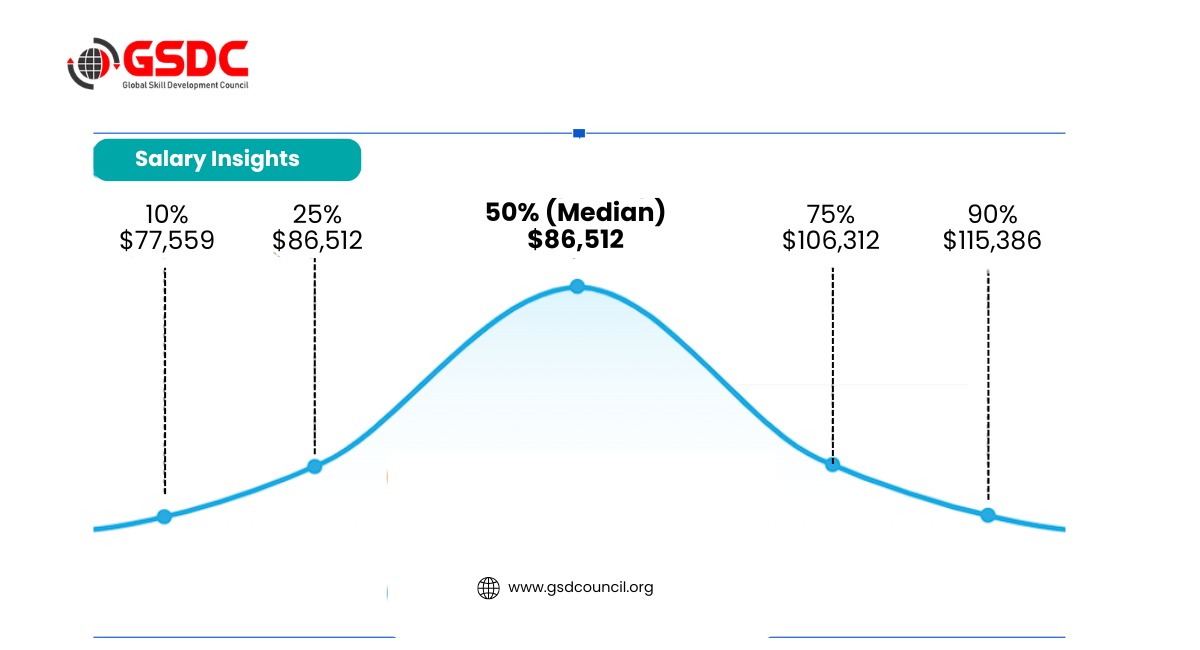
According to reports, the average instructional designer salary in the United States is approximately $96,000 annually, while experienced professionals can earn over $140,000 depending on specialization and leadership responsibilities.
Salary growth is particularly strong for professionals with:
- Advanced instructional design skills
- Learning technology expertise
- eLearning development experience
- Agile learning methodologies
- AI-enabled content design knowledge
- Professional certifications
Organizations increasingly prefer certified professionals because certifications validate both technical competency and practical knowledge.
Why Certifications Matter in an Instructional Designer Job Post?
In the current era of the job market, having experience alone is often not enough. Employers want professionals who can demonstrate structured expertise in learning design frameworks, adult learning psychology, assessment strategies, accessibility standards, and modern digital learning tools. For professionals exploring how to become an instructional designer, earning a certification is often one of the most effective ways to build credibility and improve future earning potential.
Certification helps instructional designers:
Validate industry-relevant skills: Certification demonstrates that instructional designers possess practical knowledge and competencies aligned with current industry standards. It assures employers that the professional understands modern learning methodologies, tools, and instructional strategies, which can positively influence instructional designer salaries.
Increase professional credibility: Holding a recognized certification strengthens professional reputation and creates greater trust among employers, clients, and hiring managers. It reflects a commitment to continuous learning and professional development within the instructional design field while highlighting important instructional designer certification benefits.
Strengthen resumes and LinkedIn profiles: Certifications add valuable credentials that make resumes and online professional profiles more impactful. They help candidates showcase specialized expertise and improve visibility during recruiter searches and talent evaluations, supporting better instructional design career path opportunities.
Stand out in competitive hiring processes: In highly competitive job markets, certification can differentiate candidates with similar educational backgrounds or experience levels. Employers often prefer certified professionals because they demonstrate verified skills and a stronger career dedication, which contributes to instructional designer career growth.
Qualify for higher-paying positions: Many organizations associate certification with advanced expertise and readiness for strategic responsibilities. This can enhance eligibility for senior instructional design roles, leadership opportunities, and positions offering more competitive compensation packages, improving the average instructional designer salary.
Gain confidence in enterprise learning projects: Certification equips professionals with structured knowledge and practical frameworks that improve decision-making during complex learning initiatives. This confidence helps them manage large-scale training programs and enterprise-level instructional challenges more effectively.
Build expertise in emerging technologies: Modern instructional design increasingly involves AI tools, adaptive learning systems, learning analytics, and digital collaboration platforms. Certification helps professionals stay updated with evolving technologies that are shaping the future of workplace learning, making the best certification for instructional designers a valuable investment.
For hiring managers, certifications reduce uncertainty during recruitment because they indicate that a candidate has completed standardized learning and skill validation. This often increases confidence in hiring decisions and supports better long-term organizational outcomes.
This becomes especially important in large organizations where instructional designers work on:
- Enterprise-wide training systems
- Compliance learning
- Leadership development
- Technical onboarding
- Learning analytics
- AI-driven learning personalization
- Remote workforce training
Certified professionals are often perceived as more capable of handling complex learning ecosystems and large-scale organizational training needs.
How Certification Impacts Instructional Designer Salaries?
One of the strongest benefits of professional certification is its influence on salary potential.
Certified instructional designers often earn higher salaries because certifications demonstrate:
- Specialized expertise
- Commitment to professional development
- Updated industry knowledge
- Technical competency
- Readiness for leadership responsibilities
According to salary insights published by GSDC’s Instructional Designer Salary Report, certified instructional designers in the USA may experience significantly higher earning potential compared to non-certified professionals. The report estimates that certified professionals with strong AI and instructional technology skills can earn salaries exceeding $100,000 annually.
The report also highlights a potential salary uplift for certified professionals, particularly those working in:
- Corporate L&D
- Learning experience design
- Digital learning transformation
- Enterprise training strategy
- AI-assisted instructional design
Additionally, community salary discussions on Reddit indicate that experienced instructional designers with specialized expertise and credentials often report salaries between $100,000 and $135,000 annually in the United States.
Factors That Influence Instructional Designer Salaries
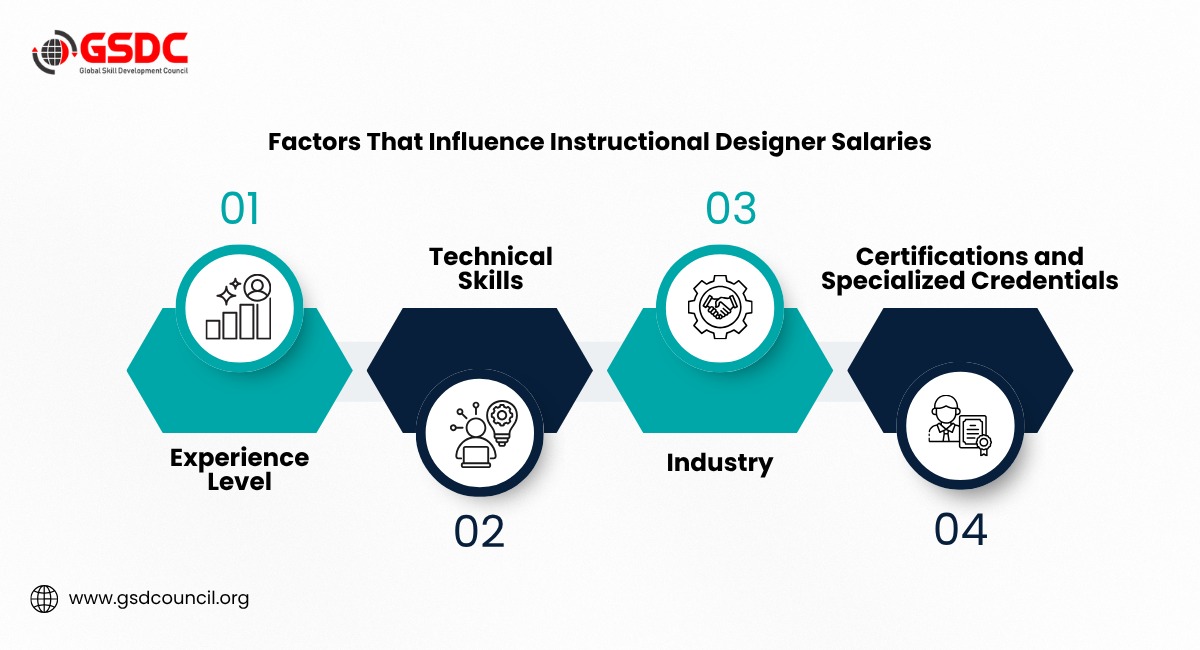
Certification is important, but salary levels also depend on several additional factors.
1. Experience Level
Experience remains one of the largest salary drivers.
According to Salary.com, Instructional Designer Salary Insights:
- Entry-level professionals earn around $65,000–$80,000
- Mid-level professionals earn around $90,000–$108,000
- Senior professionals can exceed $140,000 annually
Certification often accelerates movement from entry-level to mid-level roles because it validates job-ready skills.
2. Technical Skills
Instructional designers with expertise in tools and platforms such as:
- Articulate 360
- Adobe Captivate
- iSpring Suite
- Learning Management Systems (LMS)
- AI-based learning tools
- Learning analytics platforms
typically command higher salaries.
Organizations increasingly seek professionals who can combine instructional design expertise with technical implementation capabilities.
3. Industry
Some industries pay significantly more than others.
As per reports, entry-level instructional designer salaries in the United States vary across industries based on training complexity, technology adoption, and organizational learning needs. On average, beginners in the field can expect salaries ranging from $45,000 to $70,000 annually.
- Technology: Offers some of the highest starting salaries, typically between $60,000 and $70,000, with roles focused on digital learning platforms, multimedia training, and software education.
- Healthcare: Entry-level professionals generally earn $55,000 to $65,000 while developing compliance training and clinical learning programs.
- Corporate Training: Salaries usually range from $50,000 to $60,000, focusing on employee development and organizational learning initiatives.
- Education and Government: Professionals in these sectors typically earn between $45,000 and $55,000, supporting curriculum development, adult learning, and public training programs.
Instructional designers supporting enterprise transformation initiatives or technical training programs often receive higher compensation packages.
4. Certifications and Specialized Credentials
Certifications directly contribute to salary growth because they demonstrate validated expertise.
Professionals with certifications are often considered for:
- Senior instructional designer roles
- Learning experience designer positions
- L&D consultant opportunities
- Training manager positions
- Enterprise learning strategist roles
This is where globally recognized certifications can make a measurable difference.
The Role of GSDC’s Certified Instructional Designer Certification
One certification gaining visibility among learning and development professionals is the Certified Instructional Designer Certification by GSDC.
The certification is designed for professionals who want to build expertise in modern instructional design methodologies and workplace learning systems.
The program focuses on practical, enterprise-oriented instructional design capabilities, including:
- ADDIE and SAM models
- Performance-focused instructional design
- Multimedia learning strategies
- Scenario-based learning
- Accessibility and inclusive learning
- Assessment design
- AI-assisted instructional design
- Learning technologies and authoring tools
Unlike traditional theoretical learning programs, GSDC emphasizes applied learning and real-world implementation.
According to GSDC, the certification includes:
- Self-paced expert-led learning
- Hands-on activities
- Capstone projects
- SME mentoring sessions
- Job support resources
- AI-integrated instructional design concepts
These features make the certification particularly relevant for professionals targeting modern enterprise learning environments in the United States.
How GSDC Certification Can Contribute to Salary Growth?
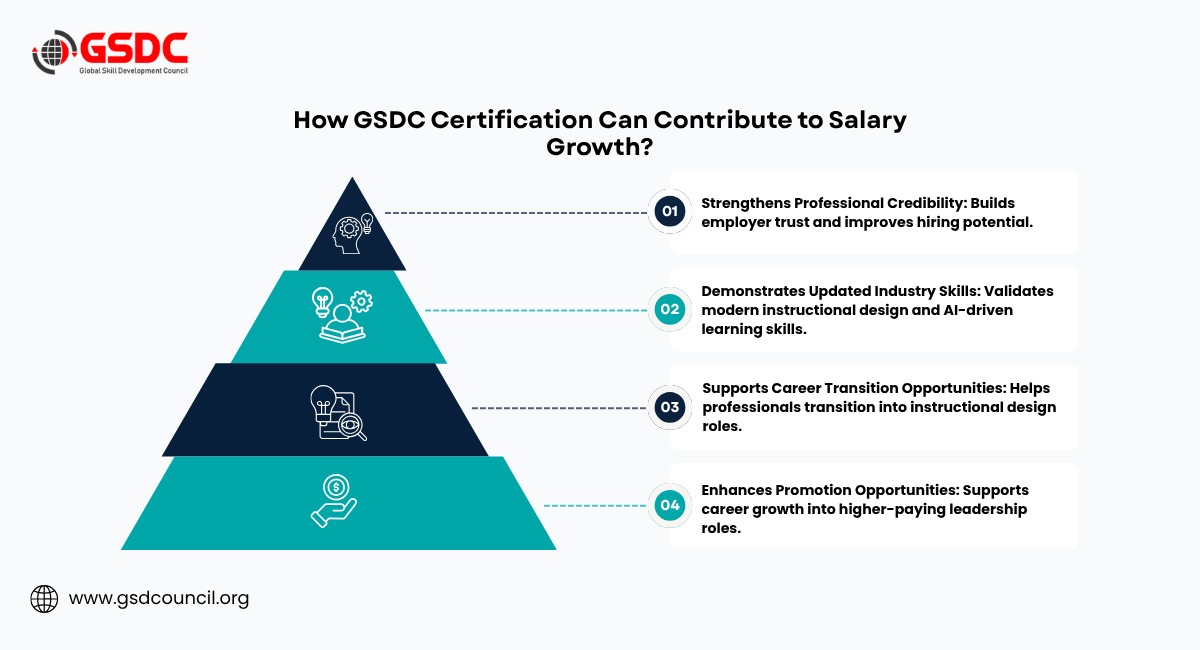
1. Strengthens Professional Credibility
Professional certification helps instructional designers build stronger credibility in a competitive job market. Employers often view certified professionals as more committed, knowledgeable, and capable of handling modern learning challenges. When candidates possess similar educational backgrounds or work experience, certification can become a key differentiator that increases hiring potential, supports instructional designer career growth, and positively influences instructional designer salary negotiations.
2. Demonstrates Updated Industry Skills
The instructional design field continues to evolve with advancements in AI-driven learning, adaptive education platforms, microlearning, and learning analytics. GSDC certification helps professionals stay aligned with these industry developments by providing exposure to current tools, methodologies, and best practices. This demonstrates to employers that the candidate possesses relevant, future-ready skills that support organizational learning goals and improve instructional designer certification benefits.
3. Supports Career Transition Opportunities
Many professionals enter instructional design from fields such as teaching, HR, corporate training, content writing, or learning coordination. GSDC certification provides structured knowledge and practical understanding that helps bridge existing skill gaps. For individuals exploring how to become an instructional designer or changing careers, certification can improve confidence, strengthen resumes, and increase opportunities to secure higher-paying instructional design positions across industries while creating a stronger instructional design career path.
4. Enhances Promotion Opportunities
Organizations increasingly seek certified professionals for advanced learning and development roles that involve strategy, leadership, and digital transformation initiatives. GSDC certification can support career progression into positions such as Senior Instructional Designer, Learning Experience Designer, Training Manager, or Learning Strategist. These roles often come with expanded responsibilities, stronger leadership visibility, and significantly higher salary potential, contributing to a higher average instructional designer salary. This is one reason many professionals consider it among the best certification for instructional designers.
AI and the Future of Instructional Design Salaries
Artificial intelligence is reshaping the instructional design profession.
Modern instructional designers are expected to work alongside AI-powered tools for:
- Content generation
- Learning personalization
- Assessment automation
- Skill gap analysis
- Adaptive learning pathways
- Learning analytics
Professionals who understand both instructional design principles and AI-assisted learning systems are likely to command premium salaries over the next several years.
GSDC’s certification includes AI-assisted instructional design concepts, helping professionals prepare for the future of workplace learning. As organizations modernize their learning ecosystems, demand for AI-capable instructional designers is expected to increase substantially.
What Employers Look for in Certified Instructional Designers?
U.S. employers increasingly seek instructional designers who can:
- Solve performance problems
- Design engaging learning experiences
- Use modern eLearning technologies
- Align learning with business objectives
- Analyze learner behavior
- Create scalable training systems
- Support digital transformation initiatives
Certifications help demonstrate these competencies in a structured and measurable way.
Employers also value professionals who show commitment to continuous learning and professional development qualities strongly associated with certification holders.
Is Certification Worth It for Instructional Designers?
For many professionals, the answer is yes. GSDC’s Certified Instructional Designer Certification is designed for professionals who want to build expertise in modern learning and development practices.
The Certified Instructional Designer Certification covers essential areas such as instructional design methodologies, adult learning principles, digital learning technologies, AI-assisted content development, and performance-focused training strategies. It helps professionals validate their skills, strengthen their professional credibility, and stay aligned with evolving industry demands.

Certification can provide value through:
- Increased salary potential
- Better job opportunities
- Faster career growth
- Improved professional confidence
- Stronger technical capabilities
- Greater industry credibility
While certification alone does not guarantee a salary increase, it significantly improves a professional’s ability to compete in a growing and increasingly specialized market.
Professionals who combine certification with hands-on project experience, strong portfolios, and technical learning tools often achieve the highest salary growth.
Final Thoughts
Instructional design in the U.S. is becoming a high-growth, technology-driven career with rising demand for skilled professionals. Certifications help validate expertise, improve credibility, and increase salary potential. GSDC’s Certified Instructional Designer Certification equips professionals with industry-relevant skills, supporting career advancement, professional recognition, and access to higher-paying opportunities in learning and development.

Related Certifications
Stay up-to-date with the latest news, trends, and resources in GSDC
If you like this read then make sure to check out our previous blogs: Cracking Onboarding Challenges: Fresher Success Unveiled
Not sure which certification to pursue? Our advisors will help you decide!