Generative AI in Risk Management: Governance and Compliance
Written by Trevor Wiseman
Generative AI has rapidly shifted from being an experimental technology to a core business capability. Across industries, organizations are deploying AI-powered tools to enhance productivity, accelerate decision-making, and unlock new efficiencies.
However, as adoption increases, so do concerns around risk, accountability, and regulatory compliance. The pace at which generative AI is being implemented has often outstripped the establishment of governance frameworks, leaving many organizations exposed to operational, legal, and reputational risks. In a recent expert-led webinar, Trevor Wiseman discussed how the future of generative AI will be shaped not only by innovation but by the strength of governance and risk management practices.
The discussion highlighted that while AI can drive transformative value, it can also magnify existing weaknesses if not carefully controlled. As regulatory enforcement intensifies and AI systems become more deeply embedded in critical business functions, governance will emerge as the defining factor for sustainable AI adoption by 2026.
The Growing Role of Generative AI and Its Risk Landscape
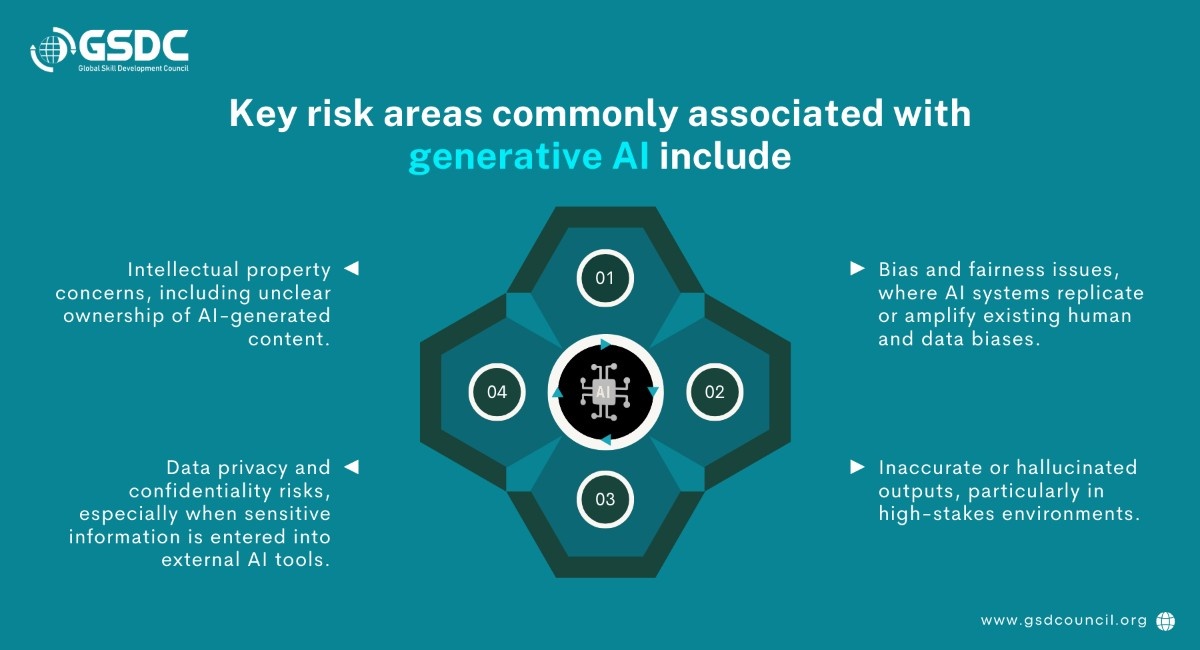
Generative AI is now influencing nearly every major business function, from marketing and customer service to finance, human resources, and compliance. Unlike traditional automation tools, generative AI systems generate new content, insights, and recommendations rather than simply executing predefined rules. This capability makes them powerful, but it also introduces a unique risk profile that organizations must address.
One of the key challenges with generative AI is its ability to scale decisions rapidly. An incorrect assumption, a biased dataset, or a flawed prompt can be replicated thousands of times within minutes. In regulated industries such as finance, healthcare, and insurance, such errors can result in serious compliance violations. Even in less regulated sectors, inaccurate AI outputs can damage customer trust and brand reputation.
The risks associated with generative AI are not limited to technical failures. Many of them originate from human behavior and organizational processes. Employees often adopt AI tools independently, without formal approval or oversight. This “shadow AI” phenomenon makes it difficult for organizations to track where AI is being used, what data is being shared, and how outputs are being applied in decision-making. Without visibility, risk management becomes reactive rather than proactive.
Regulatory Pressure and the Need for Structured AI Governance
As generative AI adoption accelerates, regulators across the globe are responding with new laws, standards, and enforcement mechanisms. By 2026, regulatory compliance will no longer be optional or theoretical; it will be mandatory and actively enforced. Frameworks such as the EU AI Act, sector-specific financial regulations, and emerging national AI policies are placing direct accountability on organizations for how AI systems are designed, deployed, and monitored.
One of the most significant challenges organizations face is the global nature of AI. AI systems often operate across borders, while regulations vary by jurisdiction. This makes fragmented compliance strategies ineffective. Instead, organizations must adopt unified governance models that align with globally recognized frameworks while remaining flexible enough to meet local regulatory requirements.
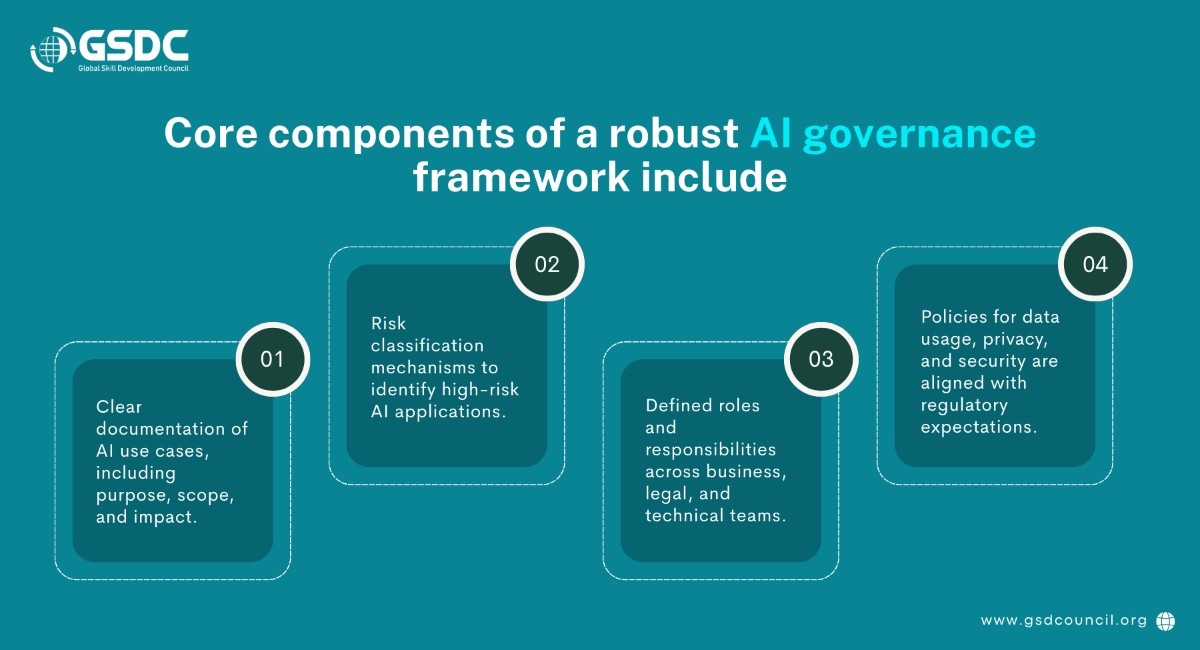
Effective AI governance is not about slowing down innovation. Rather, it creates a controlled environment in which innovation can thrive safely. A structured governance framework helps organizations understand where AI is used, evaluate the level of risk involved, and assign clear ownership and accountability.
Managing AI Risk Through Frameworks, Tools, and Human Oversight
As AI systems grow more complex and widespread, manual governance approaches become increasingly impractical. This has led to the emergence of AI governance platforms that support organizations in managing risk at scale. These platforms enable centralized visibility into AI systems, automate risk assessments, and support compliance reporting aligned with established frameworks such as the NIST AI Risk Management Framework.
The NIST framework emphasizes a continuous approach to AI risk management rather than a one-time assessment. It encourages organizations to map AI systems, measure associated risks, and manage those risks through ongoing controls and monitoring. This iterative process is particularly important given how quickly AI models evolve and how frequently new regulations emerge.
Modern governance tools can help organizations:
- Register and catalog AI systems across departments
- Monitor AI behavior and performance over time
- Document compliance efforts and audit readiness
- Support ethical review and approval workflows
Despite the growing role of automation, human oversight remains essential. AI systems do not understand context, ethics, or organizational values in the way humans do. Decisions involving compliance, customer impact, or ethical considerations must always involve human review. The goal of governance is not to replace human judgment, but to support it with structured processes and reliable insights.
A practical approach recommended during the webinar was to begin with a focused implementation phase. By prioritizing high-impact AI systems and addressing the most significant risks first, organizations can make meaningful progress without becoming overwhelmed. Over time, governance practices can expand to cover additional use cases as maturity increases.
How Generative AI in Risk and Compliance Certification Helps You?
GSDC’s Generative AI in Risk and Compliance Certification is a globally recognized credential that validates your expertise in applying generative AI to risk management, governance, and regulatory compliance. It is designed to help professionals build practical, job-ready skills, strengthen credibility, and responsibly use AI in enterprise risk and compliance environments.
The Generative AI in Risk and Compliance Certification program goes beyond theory to cover advanced generative AI techniques, AI-powered risk assessment tools, and real-world governance and compliance use cases. You will learn practical methods that are actively used across industries to identify risks, ensure regulatory alignment, and support informed decision-making, preparing you to address real business and compliance challenges with confidence.

Conclusion
Generative AI is reshaping how organizations operate, compete, and deliver value. However, its long-term success will depend on how effectively risks are managed and responsibilities are defined. As regulatory scrutiny intensifies and Generative AI in Risk Management systems becomes deeply embedded in business-critical functions, governance will emerge as the cornerstone of sustainable AI adoption.
By 2026, organizations that have invested in structured AI governance frameworks will be better positioned to innovate with confidence, comply with evolving regulations, and maintain stakeholder trust. Those that fail to act risk not only regulatory penalties but also reputational damage and operational disruption. The future of generative AI is not just about what technology can do it is about how responsibly it is governed.

Related Certifications
Stay up-to-date with the latest news, trends, and resources in GSDC
If you like this read then make sure to check out our previous blogs: Cracking Onboarding Challenges: Fresher Success Unveiled
Not sure which certification to pursue? Our advisors will help you decide!