Operational Privacy: Integrating Privacy in Your ISMS
Written by Karsten Dahl Vandrup
Privacy and security must work with you, not against you.
-Karsten Dahl Vandrup
In our modern global network, personal data represents tremendous value but faces constant security threats. Organizations fight daily to stop threats from reaching valuable data while keeping it out of unethical hands.
Our focus extends beyond legal requirements because trustworthiness and ethical values matter when protecting personal privacy during artificial intelligence and surveillance times.
At the GSDC Global ISO 27701 PIMS Webinar 2025, Karsten Dahl Vandrup of ENISA set out to address the real-world truth about data security.
For many years and with strong respect for privacy as a human right Karsten gave us useful recommendations for building privacy standards into our Information Security Management System.
He provided organizations with useful techniques to manage privacy threats through his ISMS training session named "Operational Privacy".
Your organization should now be ready to transform from administrative work into operational privacy practices. Let’s dive in.
Why Privacy Matters: A Universal Human Right
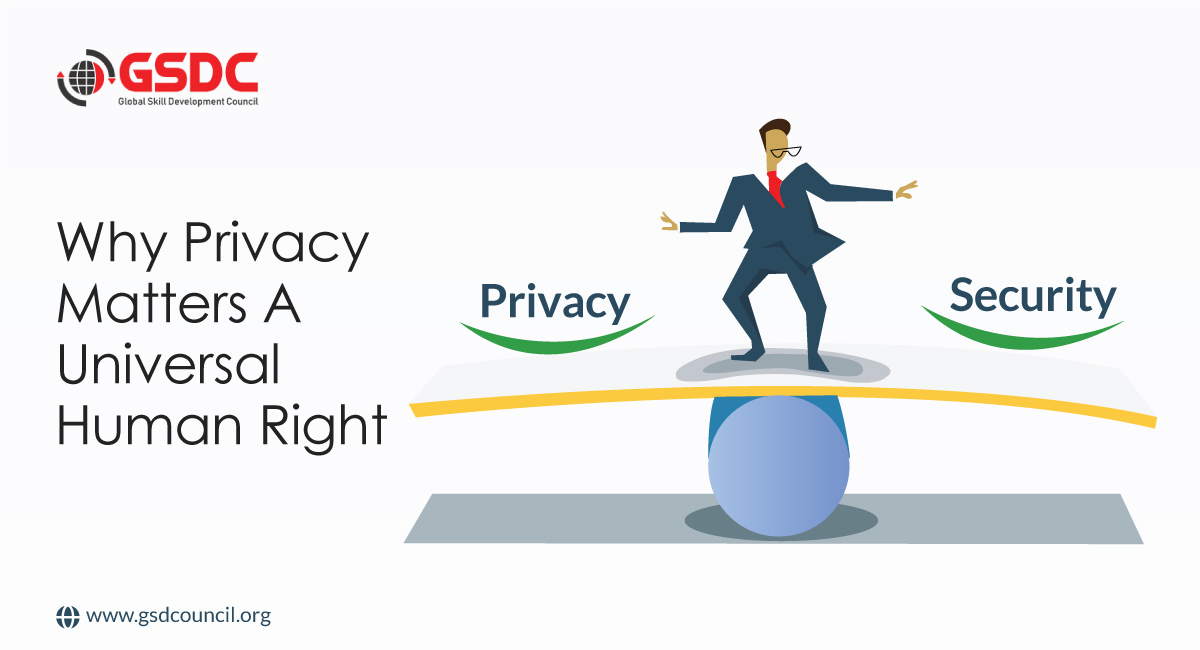
According to Karsten privacy represents basic human rights as recognized in the Universal Declaration of Human Rights.
GDPR law lets people cancel data processing consent so organizations must erase their personal information records.
Protecting personal data helps people lead self-directed lives in our connected world. Karsten emphasized that how data gets handled reveals how well an organization protects human rights.
Being private helps people communicate their thoughts freely and protects them from experiencing personal damage including the theft of identity and targeted profiling.
Organizations earning public trust do better business when they set strong privacy policies for their users.
The Evolving Role of ISO Standards
Privacy concerns in the digital era have necessitated the development and refinement of international standards. The discussion highlighted the pivotal role of ISO standards in creating a unified framework for organizations:
- ISO 27001: Primarily focused on establishing a comprehensive cybersecurity framework to protect information assets.
- ISO 27701: A privacy-specific extension to ISO 27001, addressing data protection and compliance with regulations like GDPR.
Karsten defined these standards as more than security or privacy rules because they provide clear instructions to protect both safety and personal information.
Recent updates to ISO 27701 added new privacy protection controls to help organizations handle security risks that new technology like artificial intelligence brings.
For professionals and organizations alike, the GSDC ISO 27701 Lead Implementer Certification serves as a cornerstone for achieving advanced privacy management.
The latest updates in this tool match today's security risks so every company on earth benefits from using it.
Key Takeaways for Operational Privacy
1. Privacy by Design and Default
Companies need to permanently include privacy elements in their core system architecture.
Systems with built-in protection provide security at the foundation level and data protection options come set to their strongest settings by default.
By making privacy protections mandatory the system prevents mistakes while staying in line with policies.
2. The Impact of AI on Privacy
More companies are using AI technology but this development creates new privacy problems. AI systems that sort data and create customer profiles handle private personal details every day.
During his presentation, Karsten used real applications to show that AI systems can save PII while training.
He suggests organizations need to track AI's privacy threats and use ISO-approved risk evaluations.
3. Practical Implementation Of Bureaucracy
Karsten taught us to select effective security steps instead of excessive record-keeping. Policies and procedures need to stay short and simple with clear steps that match what a business needs to do.
He explained that staff members wouldn't have time to read through bulky documents during cyber incidents. Organizations need to create basic security measures that employees can learn easily.
The Role of PIMS in Modern Organizations
The Privacy Information Management System (PIMS) extends the capabilities of an ISMS by integrating privacy controls. It bridges ethical responsibilities with operational requirements, ensuring compliance with regulations while fostering trust with stakeholders.
Karsten outlined the three critical roles within this system:
- Data Subjects: Individuals whose personal data is processed.
- Data Administrators: Entities responsible for collecting and managing personal data.
- Data Processors: Organizations handling data on behalf of administrators.
By implementing targeted controls and clearly defining responsibilities, organizations can enhance their privacy posture and demonstrate accountability.
Moreover, PIMS ensures that privacy is not treated as an afterthought but as an integral part of business operations, paving the way for long-term sustainability in a data-driven economy.
Overcoming Challenges in Privacy Integration
Surveillance and Tracking
Karsten identified surveillance technologies and AI-driven tracking systems as significant threats to privacy.
While such technologies offer convenience and efficiency, they often come at the expense of individual autonomy.
European regulations, such as GDPR, provide a strong framework to limit these practices, prohibiting invasive measures like facial recognition without explicit consent.
Data Breaches and Misuse
Data breaches cause unauthorized access to sensitive information at levels never seen before.
The ISO 27701 process provides organizations a method to reduce their privacy and security risks.
A strong control system combined with regular monitoring activities protects organizational data from those with bad intentions.
Complex Documentation
Too much documentation makes it hard to put privacy practices into use. Karsten suggested adopting a lean approach: Our privacy tools need to remain direct, important, and simple for everyone to follow.
The training helps employees put privacy practices into action while also decreasing wrong usage chances.
Continuous Improvement: A Key to Privacy and Security
"Cybersecurity is not a one-time project," Karsten remarked. Instead, it requires ongoing attention and adaptation. Organizations must:
- Regularly update their risk assessments.
- Train employees on new threats and privacy protocols.
- Monitor and refine controls to address emerging challenges.
By fostering a culture of continuous improvement, organizations can stay ahead in the evolving landscape of cybersecurity and privacy.
Building Trust Through Privacy Management
At its core, privacy management is about respect—for individuals, their data, and their rights. Effective implementation of standards like ISO 27701 ensures compliance and builds credibility.
Organizations that prioritize privacy and security not only protect themselves but also contribute to a more ethical and trustworthy digital environment.
Conclusion
Karsten Dahl Vandrup’s insights at the webinar provided a roadmap for integrating privacy into ISMS effectively.
His emphasis on actionable security measures, respect for human rights, and the evolving role of ISO standards offer valuable guidance for organizations navigating the complexities of modern data protection.
For organizations aiming to secure their future, operational privacy isn't just a necessity—it’s a responsibility.
As Karsten aptly put it, "Privacy and security must work with you, not against you."

Related Certifications
Stay up-to-date with the latest news, trends, and resources in GSDC
If you like this read then make sure to check out our previous blogs: Cracking Onboarding Challenges: Fresher Success Unveiled
Not sure which certification to pursue? Our advisors will help you decide!