How Many Companies Use AI in 2026? Trends and Impact
Written by Matthew Hale
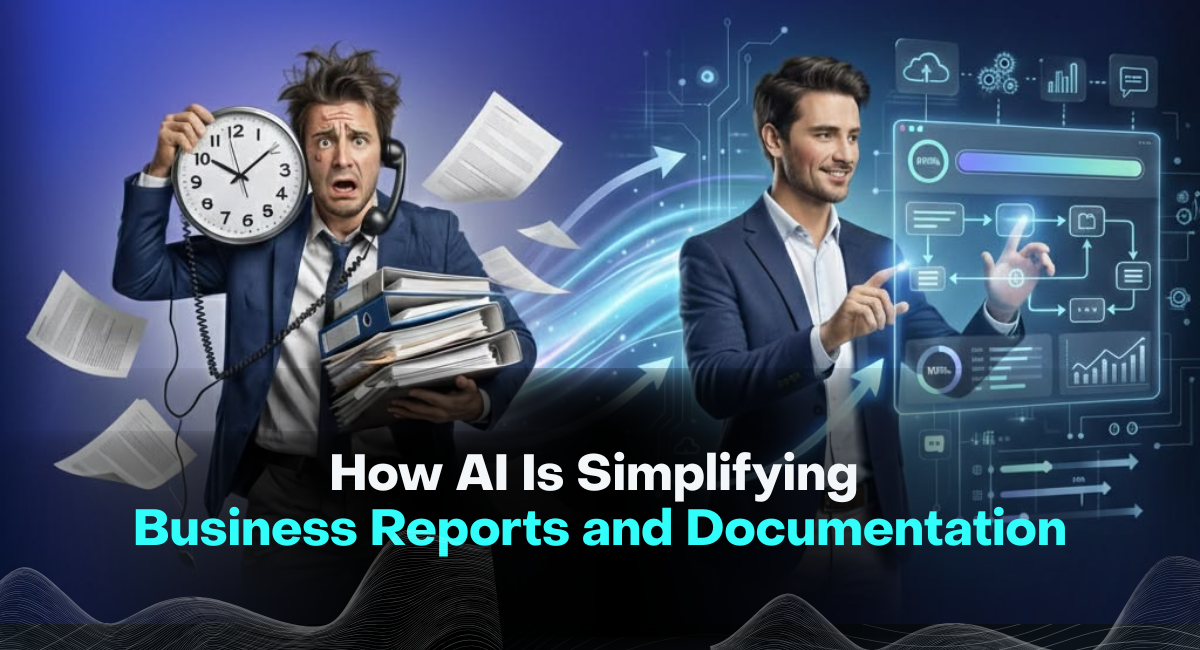
Artificial intelligence has now moved far beyond the experimental stage. By 2026, AI will be an integral part of business. Today, almost to the point where everyone involved in any aspect of running a business cannot see success without incorporating AI into their day-to-day operations to improve profitability and operational efficiencies.
Companies from almost every industry are using AI as a tool in customer service, cybersecurity, business operations, human resources, and decision-making. Therefore, business leaders no longer ask “Why is AI becoming mainstream?” As of 2026, the question has changed to how to use AI in 2026 to drive sustainable business value.
This report will provide insight into real-world AI use cases, regional trends, and the overall AI impact on business.Global AI Adoption in 2026: Where We Stand
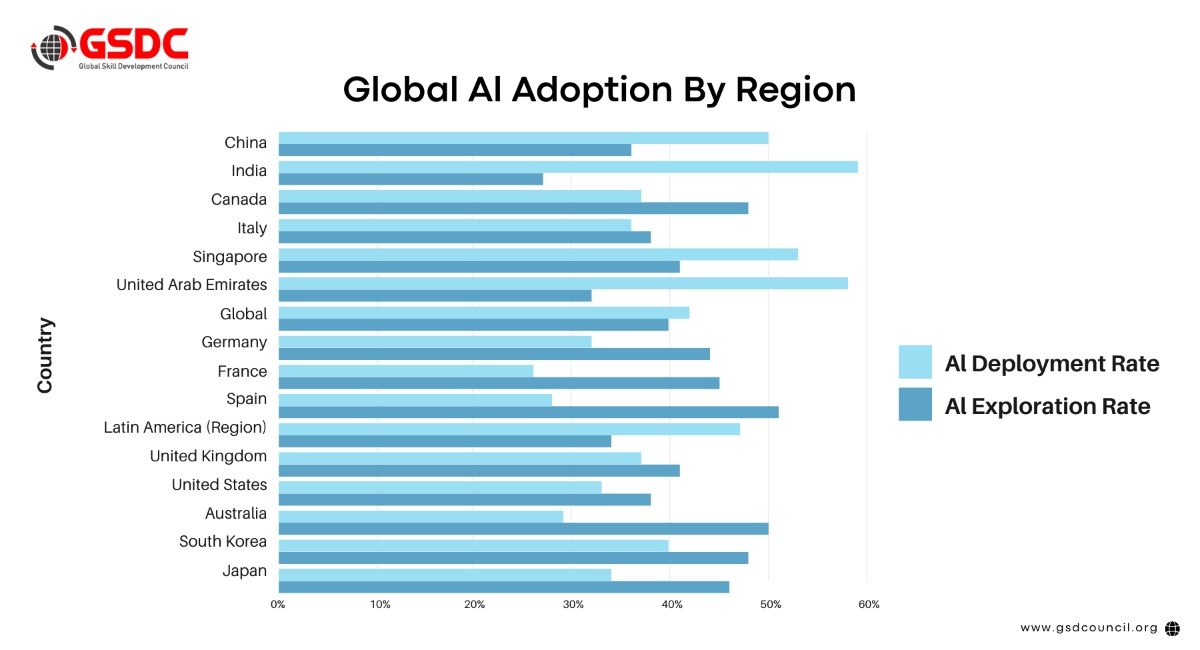
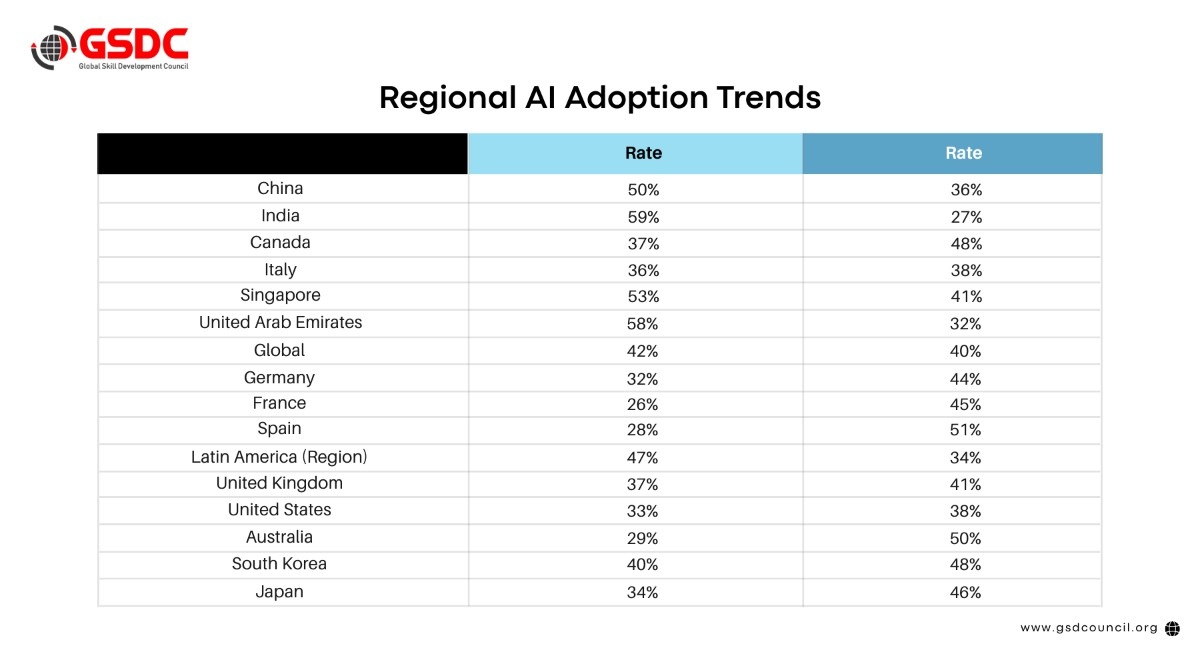
AI is one of the fastest-adopted enterprise technologies in history. In 2026, artificial intelligence has moved from experimentation to becoming a core business capability.
Key adoption insights:
- 78% of companies worldwide actively use AI in at least one business function
- Over 90% of organizations are either using AI or actively exploring its implementation
- Adoption has grown from 20% in 2017 to near-universal consideration today
Where Companies Are Using AI in 2026
To understand what is an AI use case, it helps to see how artificial intelligence is solving real operational challenges. In 2026, AI business use cases are embedded across day-to-day enterprise workflows, delivering measurable outcomes rather than experimental value.
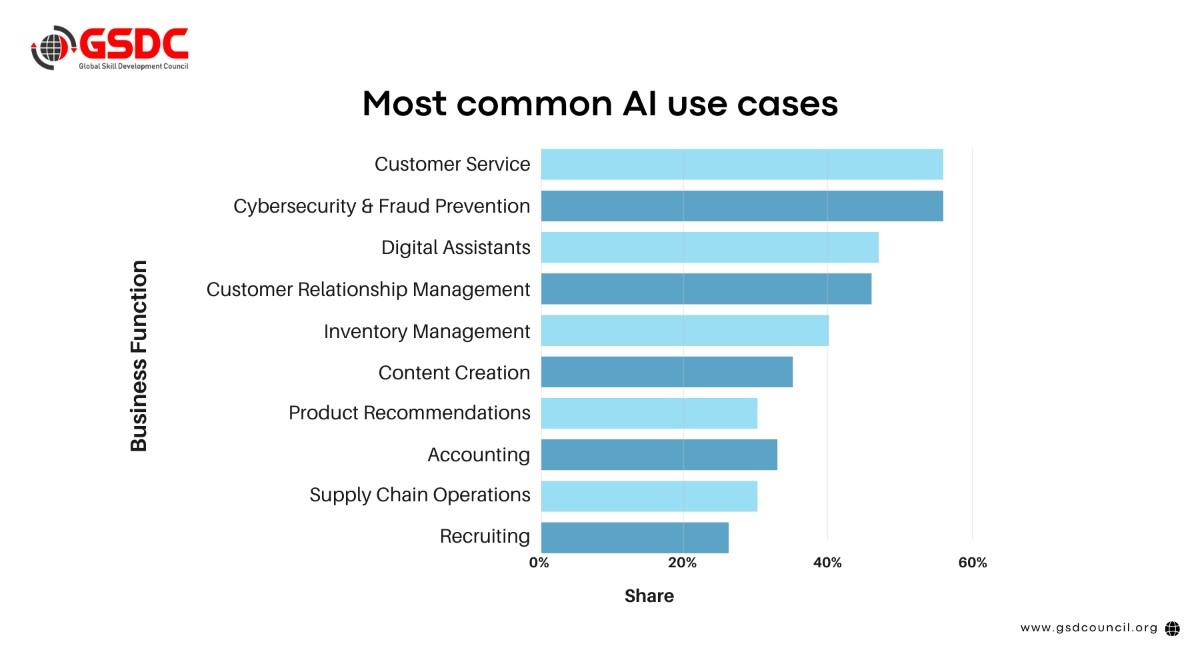
Most common AI use cases:
- AI customer service and support (56%) – Customer service and support have begun using automated responses, virtual agents, and chatbots to assist customers.
- Cybersecurity and fraud detection (51%) – Cybersecurity and fraud detection use AI for real-time threat detection and anomaly detection.
- Workplace automation and digital assistant (47%) – Digital assistants have been using AI to assist with research, scheduling, and productivity.
- CRM (46%) – The CRM use case is using AI to support lead scoring, customer analytics, and provide personalization to customers.
- Inventory and supply chain management (40%) – The inventory and supply chain management application is using predictive analytics to enhance logistics and forecast demand.
- Recruiting and HR (35%) – Recruiting and HR use case is leveraging AI to automate the screening of tables and provide analytics about the workforce.
- Marketing and Content Creation (26%) – Marketing and content creation is leveraging the emerging technology of generative AI, which can significantly expedite the creation of new content for promotional campaigns.
These AI use cases highlight a clear shift: in 2026, AI adoption is driven by performance, efficiency, and direct AI impact on business, not experimentation.
How Much Is the AI Industry Worth?
The economic momentum behind artificial intelligence continues to accelerate.
- The estimated size of the AI marketplace will exceed $1.85 Trillion by 2030, offering massive potential for growth and opportunity globally.
- A large majority (92%) of all Businesses will be increasing their AI investment between 2026 and 2028.
- Generative Artificial Intelligence represents the fastest-growing segment of enterprise software from an Investment perspective.
In 2026, AI investment is no longer experimental spending-it is a core pillar of digital transformation, reinforcing the growing AI impact on business and long-term enterprise growth.
Generative AI: The Biggest AI Trend of 2026
Among all new AI trends, generative AI has become the most influential force shaping enterprise AI adoption.
In 2026:
- 71% of companies use generative AI in at least one business function, moving it firmly into the mainstream
- Generative AI is now embedded across multiple AI business use cases, including:
- Generating code and speeding up software development
- Producing content for marketing, documentation, and communication
- Analyzing data with automated insights for quicker decision-making
- Automating processes in operations and customer workflows
- Designing a product and creating rapid prototypes
- Managing knowledge and conducting enterprise searches
Challenges Limiting AI’s Business Impact
Even with high-speed adoption, numerous corporates continue to find it challenging to effectively incorporate artificial intelligence so as to bring about regular business value.
1. Skills and Training Gaps: Nearly half of AI users receive little or no formal training, leading to inefficient or risky usage. This has increased demand for artificial intelligence certification programs that build practical, role-based AI skills.
2. Governance and Risk: Companies keep on worrying about issues of data privacy, security, and compliance. Besides, the lack of well-defined AI policies and accountability frameworks makes it not only hard to measure the return on investment but also the long-term outcomes.
3. Scaling Beyond Pilots: A lot of businesses are still at the stage of a proof of concept. Apart from that, partially AI applications in different departments limit the possibilities of the organizations to get the full, enterprise-wide value.
Addressing these challenges requires clarity on what is business impact analysis is- understanding how AI initiatives influence risk, operations, revenue, and customer experience.Strategic Implications for Business Leaders
For leaders shaping AI strategies in 2026, several realities are clear:
- AI is now mainstream - organizations that delay adoption risk falling behind competitors
- Early adopters hold a clear advantage in productivity, innovation speed, and customer experience
- Training and governance are essential, not optional, for sustainable AI adoption
- AI investment will continue to rise, making 2026 a pivotal year for large-scale transformation
Final Thoughts: The Road Ahead
As we advance through 2026, artificial intelligence has transitioned from singular tools to an integral part of how businesses operate and compete - AI has developed into a core competency for many firms. What started out as experiments testing out automation will be fully incorporated into routine procedures and decision-making.
The organizations that will lead the next decade are those that move beyond pilots, apply AI use cases with purpose, invest in skills, and build AI-first operating models. Ultimately, success depends on knowing how to use AI in 2026-strategically, responsibly, and at scale.
Related Certifications
Stay up-to-date with the latest news, trends, and resources in GSDC
If you like this read then make sure to check out our previous blogs: Cracking Onboarding Challenges: Fresher Success Unveiled
Not sure which certification to pursue? Our advisors will help you decide!