Top Software Asset Management Trends for 2026
Written by Matthew Hale
The rapid growth of software asset management highlights how important it has become for organizations worldwide. As businesses continue to adopt cloud and SaaS solutions, managing software efficiently is now a top priority.
The most recent market research indicates that the 2023 global software asset management market was USD 3.14 billion and is projected to grow at an estimated CAGR of 16.2% by 2030, reflecting growth due to demand for improved visibility, cost control, and compliance.
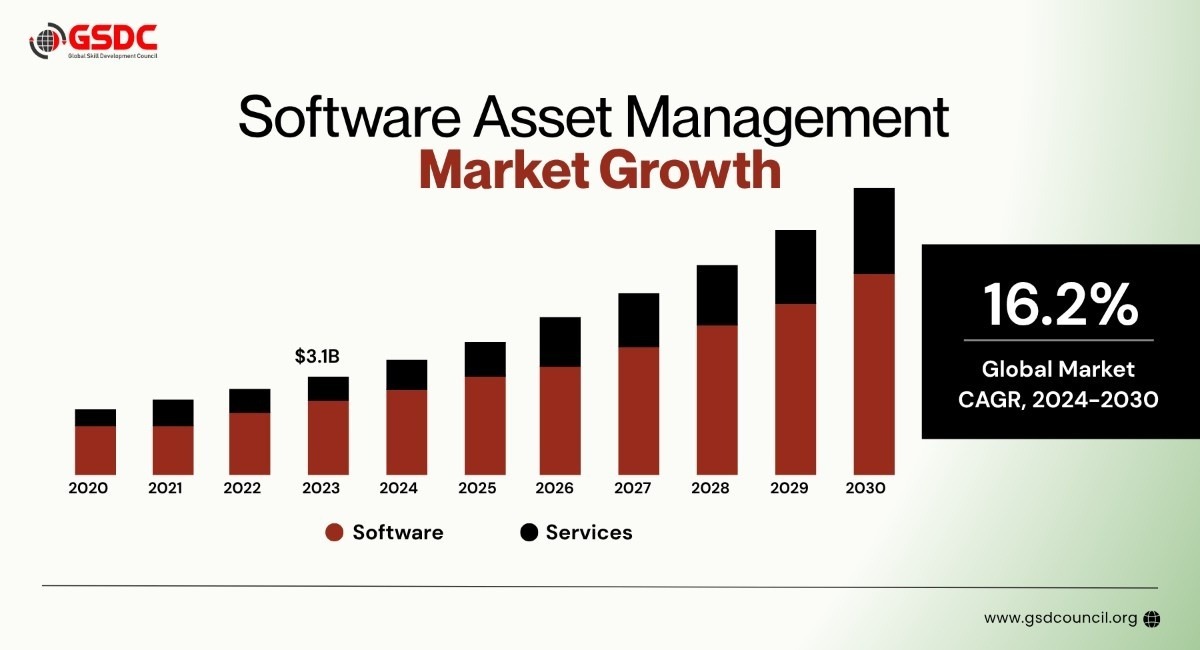
This growth trend aligns with key software asset management trends, where organizations are investing in advanced software asset management tools and software asset management services to manage increasing complexity.
What is Software Asset Management?
Software Asset Management (SAM) refers to the process of tracking, managing, and optimizing software assets throughout the software's lifecycle. It also helps organizations determine the types of software they have, their methods of usage, and their compliance status with applicable licenses.
With an effective software asset management lifecycle in place, organizations can reduce needless expenditure, enhance information security, and realize the greatest value from software purchases.
Why Asset Tracking is Important
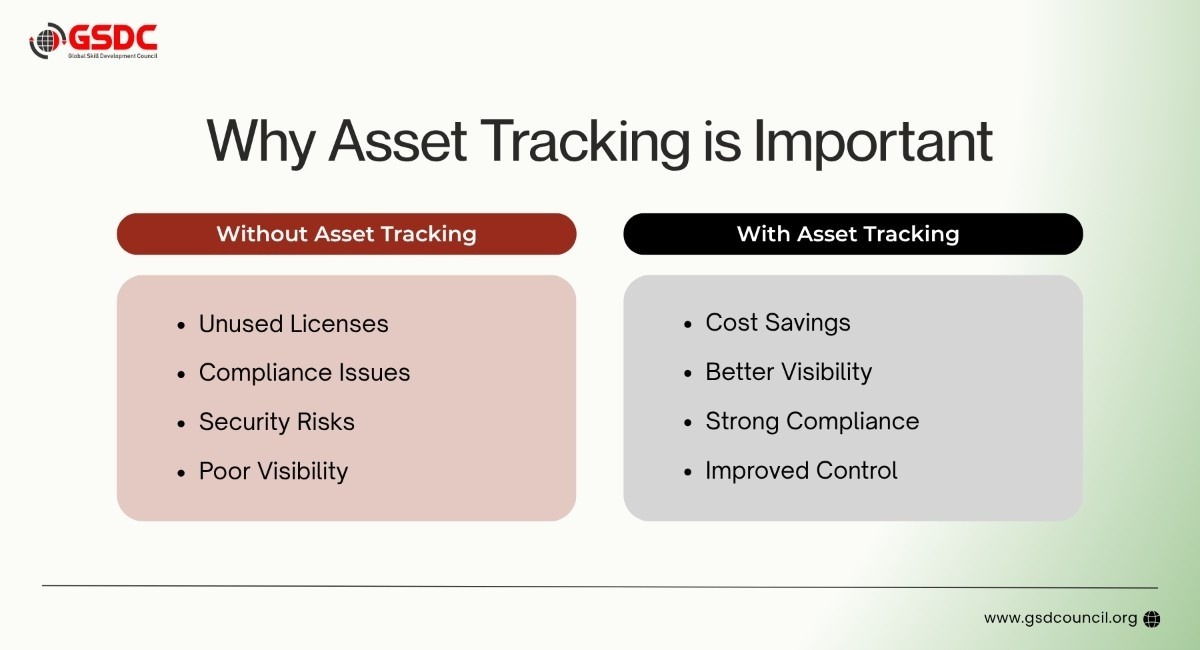
Asset tracking is essential for the success of software asset management. Failure to track software correctly often results in multiple issues for organizations.
This is why numerous companies use software asset management services that help maintain effectiveness and compliance.
Top Software Asset Management Trends in 2026
Cloud and SaaS adoption are two big drivers of major changes in software asset management (SAM). They make software environments more complex and the need for better visibility, control, and smarter software asset management tools is on the rise
Besides this, organizations have set their sights on developing highly skilled teams. These efforts are backed by the Global Skill Development Council (GSDC) initiatives which are in line with the industry's current requirements.
1. AI-Driven Software Asset Management Tools
Today’s software asset management Tools are no longer just for tracking your software. As technology continues to advance, these tools will provide organizations with an ability to make faster, more informed decisions.
Examples of how these tools will help organizations:
- Predict the usage of Software utilizing real time data.
- Identify unused or underutilized Licenses.
- Automate compliance checks and notify Users of compliance issues.
This reduces manual work, increase accuracy and allow Organizations to focus on higher value / more strategic work.
2. End-to-End Software Asset Management Lifecycle
More and more organizations are taking control of the entire software asset lifecycle, instead of dealing with the lifecycle of software in individual phases.
This includes:
- Purchasing and selecting vendors
- Installing and configuring the product
- Monitoring usage
- Optimization and cost control
- Retirement or replacement
A complete lifecycle management system provides an effective method for controlling your assets, reducing waste, and establishing long-term value to the organization.
3. Increasing SaaS Complexity
The increased variety of SaaS apps has added complexity to software environments, as more organizations are using multiple tool sets among teams/departments.
To address this issue, companies are focusing on:
- Centralizing dashboards to provide better visibility
- Tracking in real-time to gain insight into how those tools are being used
- Integrating to facilitate a more seamless operation within the cloud.
This continues to shape key software asset management trends in modern organizations.
4. Growing Demand for Software Asset Management Services
Software asset management is an increasingly complex area and as a result, there has been strong demand from many organizations for outsourced software asset management services.
These outsourced services assist with:
- License optimization to minimize waste
- Managing vendors and contracts
- Conducting audits of compliance and managing risk
This enables internal teams to spend more time on strategic and business-essential work.
5. Data-Driven SAM Strategies
There has been a movement towards data-driven software asset management and aligning these efforts with the goals of the business. Organizations that leverage data insights will utilize those insights for improved decision making.
Organizations are focused on:
- Reducing wasted software spend
- Improving return on investment (ROI)
- Aligning the usage of software with their operational requirements
The approach allows for a transition from being reactively managed to being proactively planned.
6. Integration with Cybersecurity
Uncontrolled use or obsolete software can pose major security threats to your business, the connection between Software Asset Management has evolved to align directly with Cybersecurity practices today.
Companies have begun integrating their SAM solution with their:
- Security monitoring tools
- Vulnerability management systems
- Risk and compliance platforms
Through these integrations, companies can improve their overall security, demonstrate compliance, and minimise potential risks associated with their information technology systems.
7. Rising Importance of Certification
Software asset management is growing, and more organizations are looking for skilled professionals that have knowledge of tools, processes, and compliance.
To become an expert in these areas, you need a software asset management (SAM) certification, such as Certified Software Asset Manager (CSAM), which can help develop the skills and experience to perform effectively in the job role.
Obtaining your certification can assist you in advancing your career, and enable you to develop a successful career with SAM model.
Career Opportunities in Software Asset Management
The software asset management area is becoming an increasingly important career area. As businesses place more emphasis on maintaining control of resources through cost containment and compliance, there are more openings for qualified individuals within this sector.
Role overview:
Software asset management analysts monitor the use of software, ensure that their organizations comply with applicable laws and regulations related to software use, and provide recommendations to optimize the software license(s) utilized by their organization to help minimize the software costs that an organization incurs.
Salary insights:
Software asset management analysts in the United States have an average annual salary of approximately $100,000 - $110,000, with top salaries exceeding $130,000+, based on qualifications and experience.
Job roles:
Common software asset management job roles include SAM Analyst, IT Asset Manager, License Manager, and Compliance Specialist.
Career path:
The software asset management career path typically starts with an entry-level IT or asset management role, then progresses to analyst, specialist or manager, and eventually leadership positions.
With the right skills and a sam certification, professionals can grow quickly and build a strong career in this field.
Why You Should Consider a Software Asset Management Certification
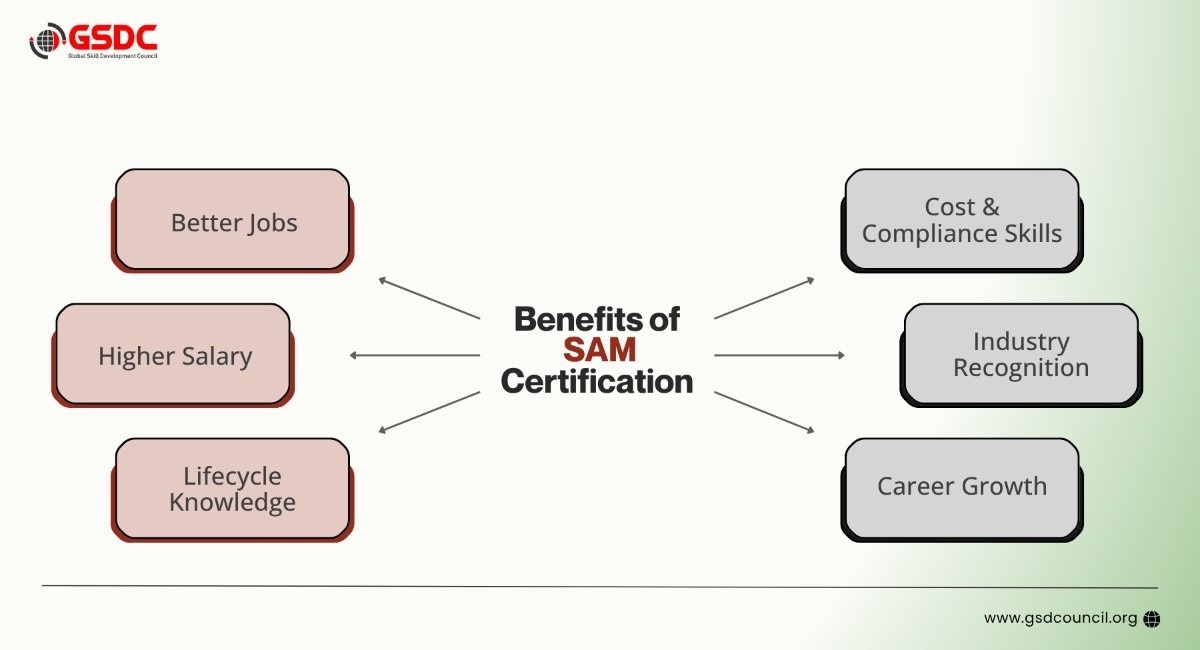
A software asset management certification helps professionals build practical skills and stand out in a competitive job market.
Grow Your Skills in Software Asset Management
A software asset management certificate is an excellent option for professionals looking to advance their careers. As software asset management continues to evolve, having the necessary skills is very important. Companies want employees that are knowledgeable in software asset management tools, processes and full lifecycle.
The Global Skill Development Council provides industry standards to develop real-world skills with their Certified Software Asset Manager (CSAM) certification, which covers the most important components of software asset management including; license management, compliance and optimization at every stage of the software asset management lifecycle. CSAM Certification offers many opportunities for those who want to further their careers in the field.

Conclusion
The latest software asset management trends show a clear shift toward automation, lifecycle management, and smarter decision-making.
Organizations that invest in modern software asset management tools, strong processes, and skilled professionals will have a clear advantage. As software environments become more complex, managing them effectively is more important than ever.
Software asset management is no longer optional - it is a business necessity.

Related Certifications
Frequently Asked Questions
Stay up-to-date with the latest news, trends, and resources in GSDC
If you like this read then make sure to check out our previous blogs: Cracking Onboarding Challenges: Fresher Success Unveiled
Not sure which certification to pursue? Our advisors will help you decide!