What Does a Hardware Asset Manager Do? 7 Key Roles & Responsibilities

Written by Matthew Hale
What happens when an organization loses track of its IT hardware? Devices go unused, equipment becomes outdated, and unnecessary purchases increase IT costs. This is exactly the problem that hardware asset management is designed to solve.
It is essential to understand what hardware asset management is all about. Hardware asset management is crucial to any organization that has hardware assets such as laptops, servers, and networking devices. Hardware Asset Management (HAM) is a practice that guides you through managing your hardware assets from purchase to retirement.
Today, many organizations rely on asset management tools and professionals working in a hardware asset management job to manage these processes. The hardware asset manager role focuses on maintaining asset visibility, managing hardware lifecycles, and ensuring devices are properly tracked.
In this blog, we will explore what is hardware asset management, the hardware asset manager responsibilities, and the key hardware asset management benefits for organizations.
What Is Hardware Asset Management?
Hardware asset management is the management and handling of physical IT devices such as laptops, desktops, servers, networking devices, and storage devices over the entire life cycle.
In other words, it is the management and monitoring of IT devices from the time they are acquired to the end of their lifespan.
Hardware Asset Management Market Growth
The importance of hardware asset management is increasing as organizations invest more in managing their IT infrastructure and assets effectively.
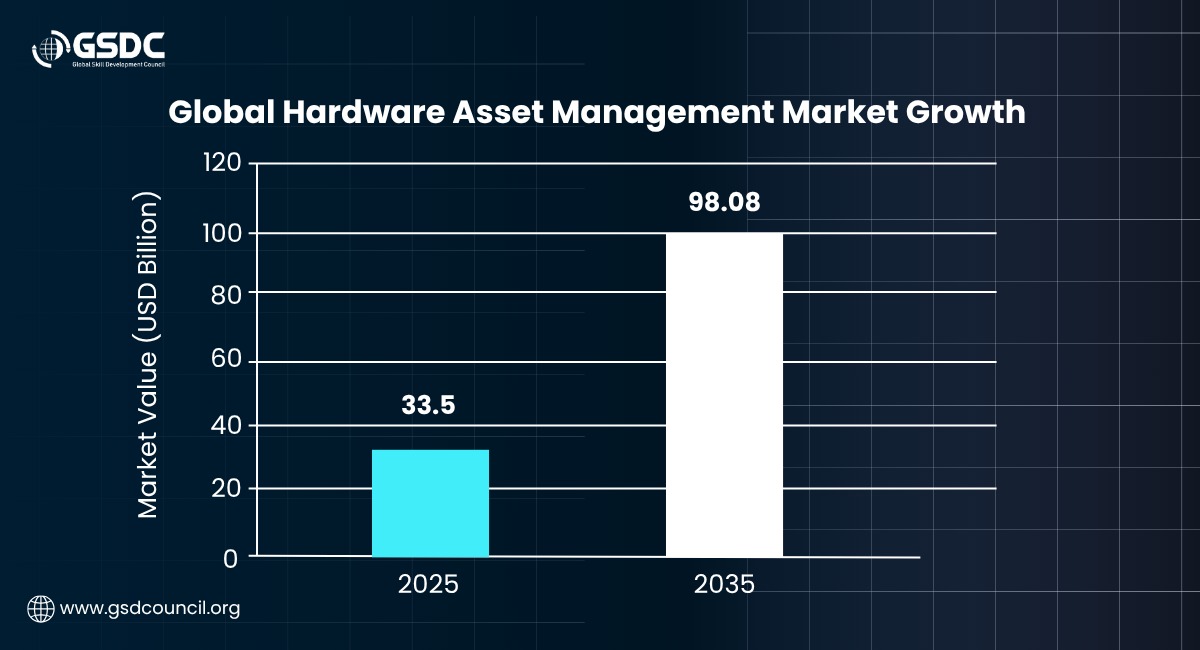
The global hardware asset management market is projected to grow from $33.5 billion in 2025 to $98.08 billion by 2035, reflecting the increasing need for better asset tracking, lifecycle management, and IT governance across organizations.
Hardware Asset Manager Role in Organizations
The hardware asset manager role assists in tracking and controlling hardware assets in an organization. With an increase in the number of hardware assets, such as laptops, servers, and networking equipment, it is important to manage them properly.
A professional in this role ensures that hardware assets are properly tracked and managed throughout their lifecycle. The hardware asset manager role typically includes responsibilities such as:
- Tracking and maintaining accurate records of all hardware assets.
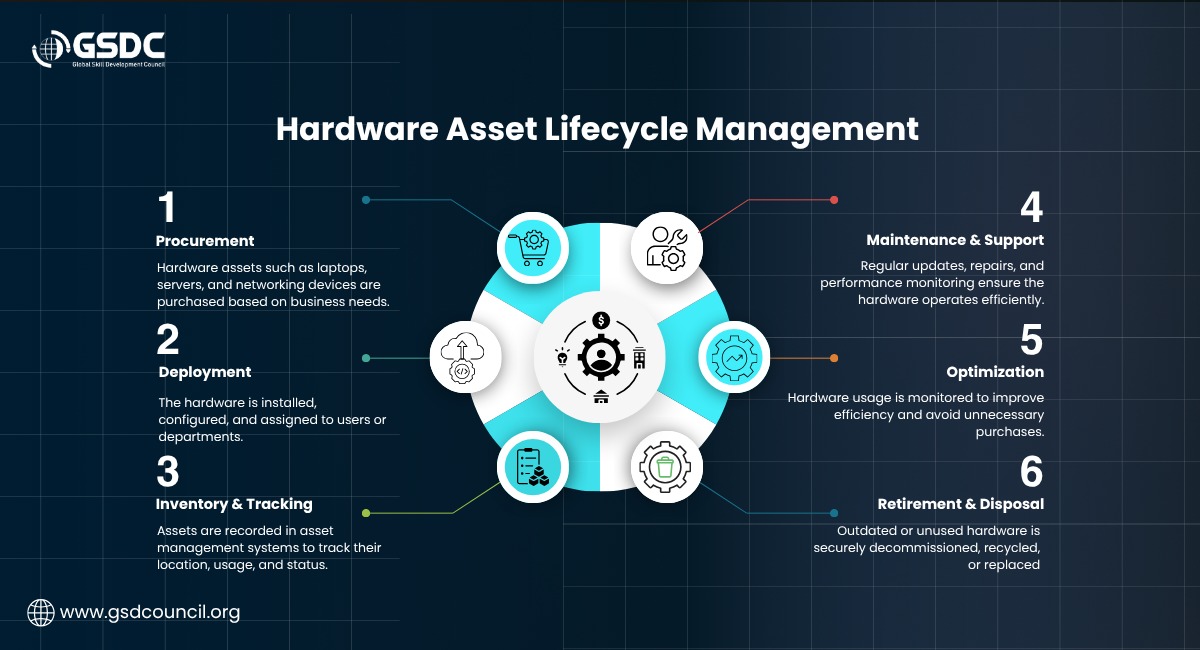
- Managing the lifecycle of devices from procurement to retirement.
- Working with IT and procurement teams to manage hardware inventory.
- Monitoring asset usage to improve efficiency and reduce unnecessary purchases.
- Ensuring hardware assets follow organizational policies and compliance requirements.
As organizations expand their IT infrastructure and support distributed work environments, the importance of the hardware asset manager role continues to grow.
Industry bodies like GSDC highlight the increasing importance of structured hardware asset management practices for modern IT environments.
Hardware Asset Manager Responsibilities
Hardware asset managers are the focal point for all hardware assets, balancing the needs for visibility, governance, and efficiency for every hardware asset. Their basic responsibilities are to maintain control over hardware assets, from start to finish.
Some of the most important hardware asset manager responsibilities include:
Asset Inventory Management
Maintain a current and accurate inventory list for all hardware assets.
Hardware Lifecycle Management
Overseeing the lifecycle of hardware assets from procurement to retirement.
Compliance and Policy Monitoring
Ensuring that hardware assets comply with internal IT policies and regulatory requirements.
Cost Optimization
Identifying unused or underutilized assets and reducing unnecessary hardware purchases.
Reporting and Documentation
Generating reports that help organizations monitor asset performance, inventory levels, and lifecycle status.
By clearly defining hardware asset manager responsibilities, organizations can maintain better control over their IT infrastructure. Professionals looking to strengthen their expertise in these areas often pursue programs such as the Certified Hardware Asset Manager (CHAM) to develop structured knowledge of hardware asset management practices.
What Are Asset Management Tools?
To understand what are asset management tools, it is necessary to learn more about them.
Asset management tools are software programs that help organizations track, monitor, and manage hardware assets during their lifecycle.
Asset management tools are gaining popularity and are in high demand. The market for IT asset management software is expected to register a CAGR of around 9% during the forecast period from 2024 to 2029.
Some of the features and capabilities of asset management tools are as follows:
- Automated device discovery
- Hardware inventory management
- Lifecycle tracking
- Maintenance scheduling
- Asset performance reporting
These tools create a centralized system for managing hardware assets across the organization and act as a single source of truth for IT teams.
Hardware Asset Management Benefits
There are various benefits that accrue to organizations that implement hardware asset management practices. Hardware asset management benefits are not limited to tracking hardware assets in an organization and are directly linked to organizational efficiency.
Some of the significant hardware asset management benefits are as follows:
Improved Asset Visibility
Organizations can have a clear and centralized view of all hardware assets in the organization.
Reduced IT Costs
Better asset tracking helps organizations avoid unnecessary hardware purchases.
Efficient Management of Hardware Assets
Hardware assets can be upgraded or replaced when necessary.
Better Compliance
Organizations can ensure that hardware assets are in compliance with organizational and regulatory policies.
Enhanced Security
Organizations can identify hardware assets that are outdated and could act as a threat to organizational security.
These hardware asset management benefits help organizations maintain better control over their IT infrastructure while optimizing hardware investments.
Hardware Asset Management Job Opportunities
The need for professionals in hardware asset management job roles has been rising, especially due to the expansion of IT infrastructure within many companies. There has been an increased demand for professionals to manage hardware assets, their lifecycle, and the utilization of IT assets within companies.
The common job roles for hardware asset management professionals are:
- Hardware Asset Manager
- IT Asset Management Specialist
- Configuration Manager
- IT Infrastructure Manager
The hardware asset management job role offers excellent pay for professionals. For instance, the average salary for hardware asset management professionals in the USA is about $94,000 annually, while experienced professionals can expect to earn more than $130,000 annually, depending on their location and experience.
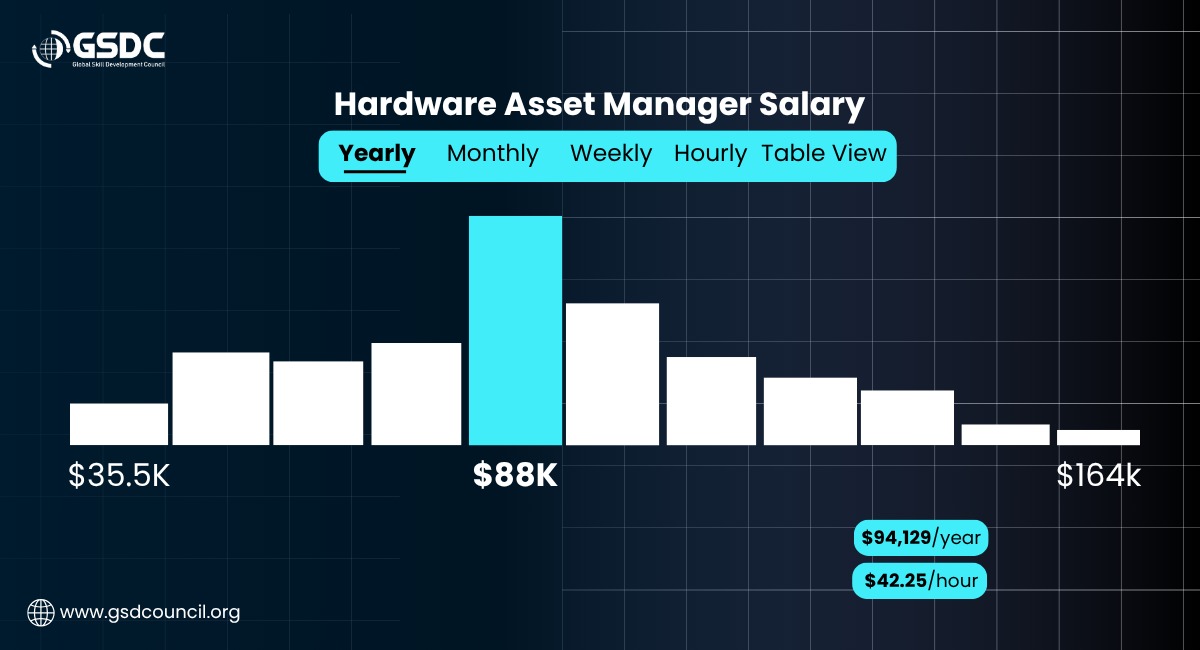
The increased focus of companies on asset management and cost management has created new job roles for hardware asset management professionals.
Why Professionals Pursue Hardware Asset Management Certification
Professionals seek hardware asset management certification to increase their proficiency in hardware asset management. A hardware asset management certification enables a professional to gain knowledge in hardware asset lifecycle management, hardware asset tracking, and IT governance practices.
Professionals can increase their proficiency in hardware asset management and help organizations implement hardware asset management practices by acquiring a hardware asset management certification.

Conclusion
It is important for any organization with complex IT infrastructure to understand what hardware asset management means. This will ensure that the organization does not face problems with asset visibility, cost control, and governance if HAM best practice is not followed.
Implementing effective hardware asset management best practice will ensure improved asset visibility, the effective use of hardware assets, and improved governance within the organization’s IT infrastructure.
The role of the hardware asset manager is important in the effective management of the organization’s assets. This will be important as the organization continues to grow its IT infrastructure.

Related Certifications
Frequently Asked Questions
Stay up-to-date with the latest news, trends, and resources in GSDC
If you like this read then make sure to check out our previous blogs: Cracking Onboarding Challenges: Fresher Success Unveiled
Not sure which certification to pursue? Our advisors will help you decide!