Agentic AI in 2025: Market Evolution, Enterprise Adoption, and Future Outlook
Written by Matthew Hale
- Market Overview: From Generative to Agentic AI
- Agentic AI Definition and How It Works
- Agentic AI vs Generative AI: The Key Difference
- Enterprise Use Cases: Where Agentic AI Is Already Working
- Documented Business Impact Across 2025
- Emerging Agentic AI Trends Defining 2025
- The Future of Enterprise in the Agentic AI Era
- Conclusion
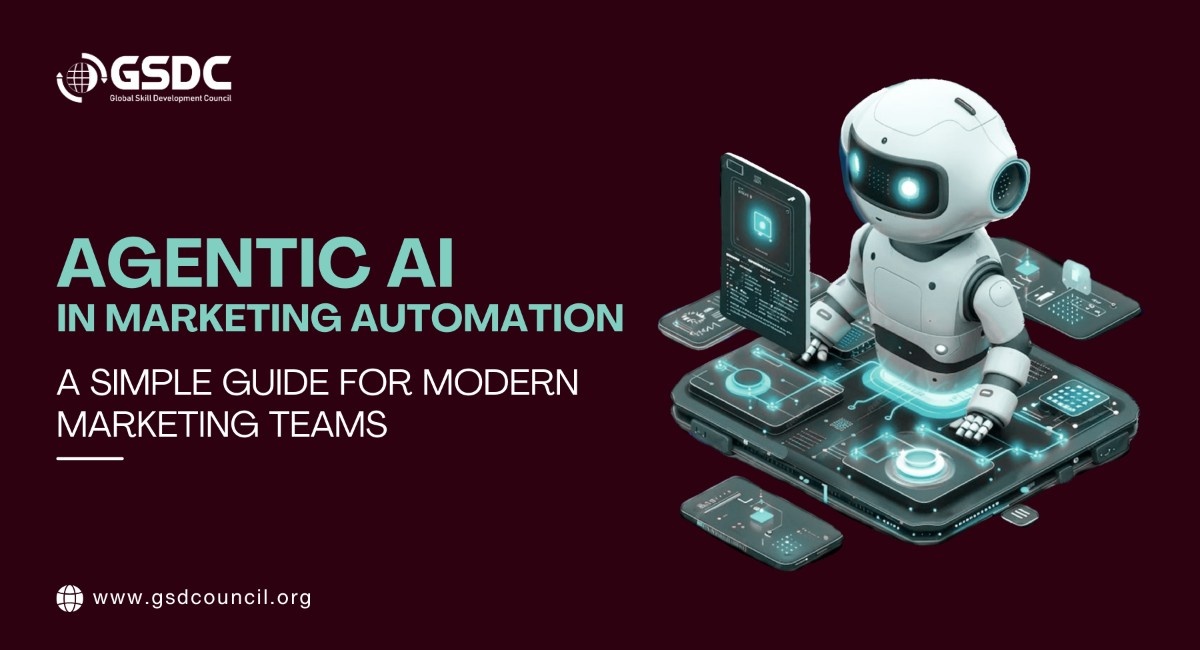
As we move through 2025, artificial intelligence is undergoing a significant shift. Organisations are no longer relying only on AI systems that assist with tasks; they are increasingly adopting systems that can act independently. Agentic AI - autonomous, goal-driven systems that plan and execute multi-step workflows are becoming essential for improving enterprise efficiency, speeding up decisions, and reducing operational load.
Rapid advancements in large language models (LLMs), reasoning engines, and AI orchestration platforms have pushed autonomous AI out of research labs and into real enterprise environments. As a result, agentic AI is emerging as a core capability for next-generation digital operations.
Market Overview: From Generative to Agentic AI
During the entire year of 2025, artificial intelligence has moved to a very significant point of inflexion. Thus, while generative AI has been the tool to change the way content is created and knowledge work is done, agentic AI is the instrument that makes a deeper change-essentially, the shift is from merely producing information to autonomously taking action.
Several enterprise trends that have been going on are gradually pushing the shift forward:
1. The increasing operational complexity
2. The pressure to speed up decision-making cycles
3. The necessity of scalable, automated workflows
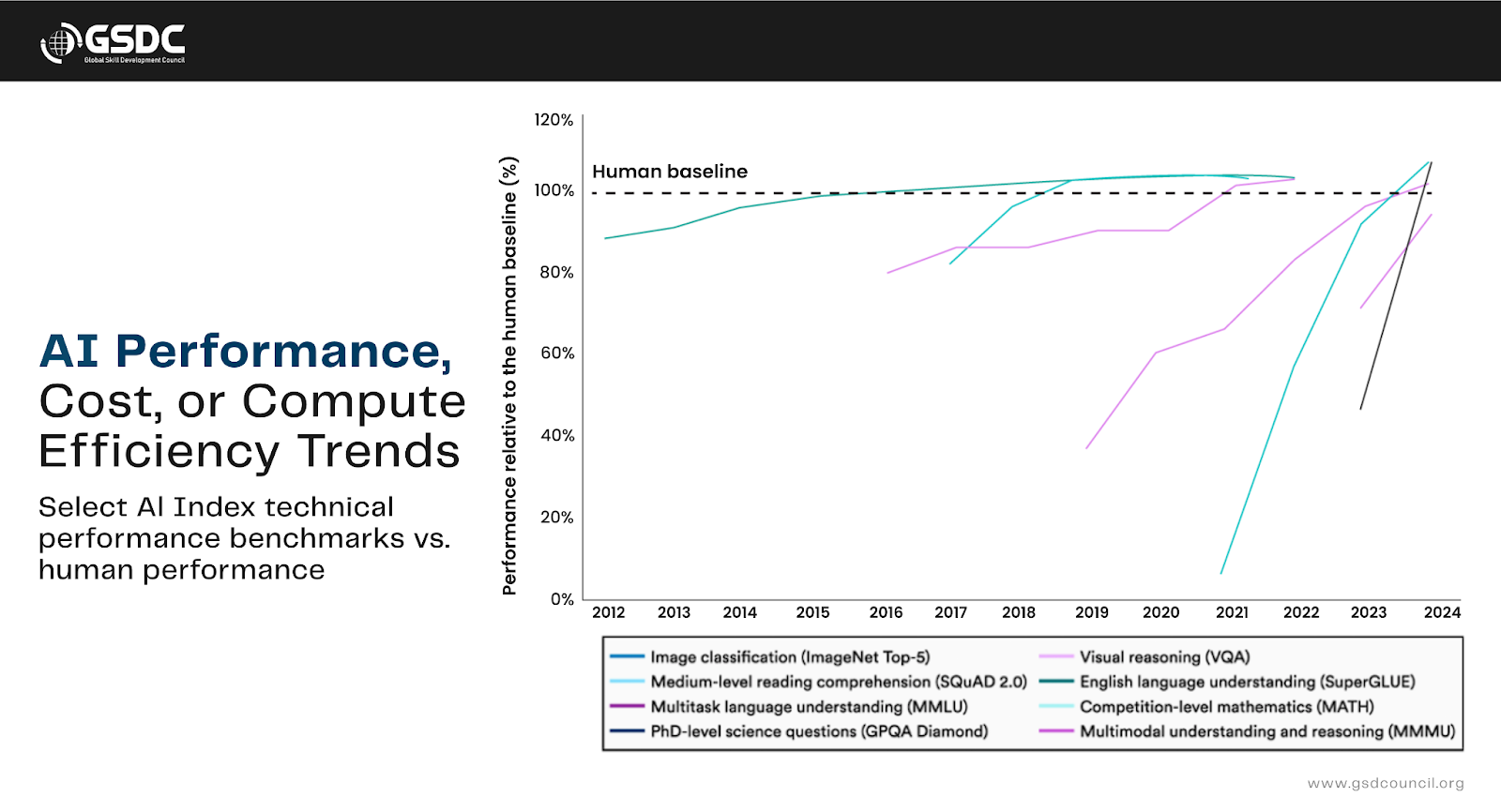
4. The improvements in LLM reasoning and multi-step planning
5. The availability of enterprise-grade agentic AI frameworks
Given all these factors, the move towards agentic AI is being seen as the major turning point in the enterprise system of the modern era.
Agentic AI Definition and How It Works
The agentic AI definition refers to AI systems that can autonomously initiate, plan, and complete multi-step tasks in dynamic environments. These systems combine several capabilities:
- Long-term and short-term reasoning
- Tool use and integration with enterprise applications
- Workflow orchestration
- Autonomous decision-making
- Goal-oriented execution
Earlier intelligent agents from the 1990s lacked the adaptable reasoning and planning power that today’s LLM-driven systems provide. Modern agentic AI brings together reasoning, memory, and action-allowing enterprises to automate complex workflows, not just isolated tasks.
Agentic AI vs Generative AI: The Key Difference
- Generative AI creates outputs (text, summaries, code, designs).
- Agentic AI uses those outputs to act, execute steps, and achieve goals.
This distinction represents the shift from reactive AI tools to proactive, autonomous enterprise systems.
Enterprise Adoption Signals in 2025
Data and enterprise activity across 2025 show strong momentum toward autonomous AI:
- Organisations in multiple sectors are piloting agentic systems for mission-critical workflows.
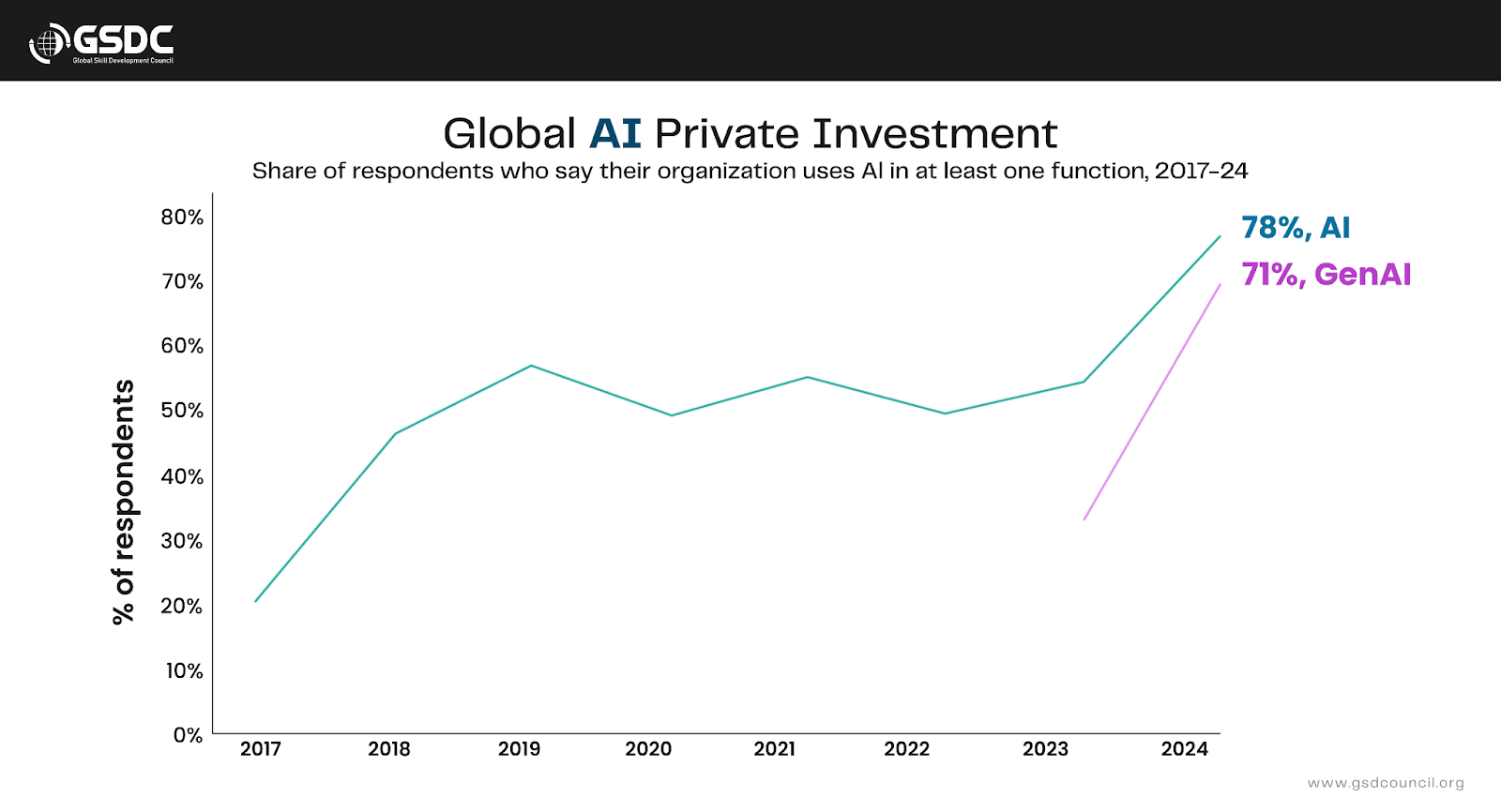
- Global AI investment is on track to exceed USD 300 billion by 2027, with autonomous AI among the fastest-growing categories.
- Economic modelling suggests generative and agentic AI combined could add USD 2.6–4.4 trillion annually to global productivity.
- By 2030, up to 40% of working hours may be shaped by AI automation.
These signals show that autonomous agents are quickly moving from experimental concept to core enterprise infrastructure.
Enterprise Use Cases: Where Agentic AI Is Already Working
Agentic AI is being deployed across HR, finance, supply chain, cybersecurity, product development, and knowledge management.
-
HR and Finance Automation (Workday)
Workday’s Illuminate AI Agents automate budgeting, workforce planning, employee case workflows, and internal support tasks through agent-driven processes embedded in the platform.
-
Life Sciences and Healthcare (Johnson & Johnson)
Agentic AI supports drug discovery modelling, supply-chain simulations, and medical field intelligence, helping reduce decision cycles and improve operational precision.
-
Everyday Productivity and Operations (Microsoft Copilot Agents)
Microsoft Copilot enables code execution, scheduling, compliance tracking, data analysis, and cross-application workflows through agentic automation embedded across Excel, Teams, and Power Platform.
-
Research and Knowledge Automation (OpenAI)
OpenAI’s enterprise agentic capabilities support long-context reasoning, tool integration, and multi-step research execution for continuous knowledge work.
-
Cybersecurity (Autonomous Threat Response)
Agentic AI cybersecurity systems detect, classify, and respond to threats automatically, reducing manual workloads and improving response times.
-
Startup Ecosystem
Agentic AI startups raised more than USD 500 million in early 2024 across workflow automation, IP research, agent safety testing, and enterprise integrations-showing strong market momentum.
These use cases highlight the shift from traditional AI agents that perform single tasks to agentic AI systems that execute coordinated, end-to-end workflows.
Documented Business Impact Across 2025
Enterprises using agentic AI at scale disclose tangible improvements:
1. Cost Efficiency: AI-powered automation is the main driver for organisations to bring down their operational costs by 20–30%, where these costs relate to repetitive or manual workflows.
2. Faster Decision Cycles: By decision automation, the pace of financial, HR, and supply-chain decisions is expedited by up to 35%.
3. Increased Process Throughput: The combination of low-code orchestration with agentic workflows elevates throughput by 30–50% thereby, the teams become emboldened to scale without the need for additional headcount.
4. Workforce Productivity Gains: The first experiments have demonstrated the potential for productivity to increase by as much as 20% when routine tasks are reassigned from human workers to autonomous agents.
In sum, these outcomes exemplify the manner in which agentic AI workflows serve as digital co-workers, thus, they should not be viewed merely as decision-support systems.
Emerging Agentic AI Trends Defining 2025
Across 2025, several clear trends have shaped the evolution of agentic AI:
1. Edge and Federated Autonomous AI
Autonomous agents on mobile devices, sensors, and IoT systems improve speed, privacy, and resilience.
2. Low-Code & No-Code Agent Orchestration
Business teams can now orchestrate AI workflows without programming, reshaping the model of AI vs traditional programming.
3. Hybrid “Super Agents”
Architectures that combine local device intelligence with cloud LLM reasoning deliver better performance and cost efficiency.
4. Multi-Agent Marketplaces
New platforms allow organisations to license, adapt, and deploy specialised agent blueprints.
5. Vertical-Specific Autonomous Agents
Healthcare, finance, legal, and cybersecurity sectors are adopting domain agents with embedded compliance rules and specialised reasoning.
These trends are increasing demand for specialised skills across careers in AI, including some of the highest-paying AI jobs in automation design, governance, and agentic engineering.
Governance, Ethics, and Risk Management
As organisations deploy more autonomous AI systems, governance has become a strategic priority. Enterprises are focusing on:
- AI governance platforms for policy management and auditability
- Continuous monitoring systems to detect agent drift or unintended actions
- Supervisory agents that oversee primary agents for safety and compliance
This change is rapidly increasing the need for clearly defined educational paths that cover topics like AI, certified agentic AI, and a program such as the Agentic AI Expert Certification.
Competent groups will be necessary to carry out the installation of self-governing systems in a safe manner.
The Future of Enterprise in the Agentic AI Era
Looking ahead from late 2025, several trends are set to reshape enterprise operations by 2030:
- Hybrid human–AI teams will manage a larger share of routine workflows
- Mature AI governance will become a major competitive differentiator
- Agentic AI systems will be deeply embedded across enterprise functions
- Capability development-supported by certifications like Agentic AI Expert Certification, is essential
- Successful organisations will be those that deploy agentic AI responsibly, with clear oversight and skilled professionals
Agentic AI is becoming a defining capability for the autonomous enterprise.
Conclusion
Agentic AI is changing the way companies run their business in 2025. Firms that grasp the meaning of agentic AI, implement coordinated agentic workflows, and spend on governance and competencies will be the pioneers of the next digital transformation wave. When AI without human intervention is at the core of enterprise effectiveness and innovation, the mix of robust AI structures, moral supervision, and a competent labour force will determine sustainable competitive advantage.

Related Certifications
Stay up-to-date with the latest news, trends, and resources in GSDC
If you like this read then make sure to check out our previous blogs: Cracking Onboarding Challenges: Fresher Success Unveiled
Not sure which certification to pursue? Our advisors will help you decide!