10 HR Skills That Make You a More Effective HR Professional
Written by Emily Hilton
HR skills decide whether a people team is treated as a back-office function or as a real business partner. The demand for them is solid. The US Bureau of Labor Statistics expects about 73,700 openings for HR specialists every year over the next decade, with employment growing 6 percent, faster than the average for all jobs.
But a job opening is not the same as being good at the job. Employers want people who can handle conflict, read the numbers and stay calm when things get messy. Below are 10 traits that set effective HR professionals apart, and simple ways to build each one.
What Does an HR Professional Do?
HR is a wide field, so it helps to separate the two roles people usually mean. Both need the same core HR competencies, just at a different level.
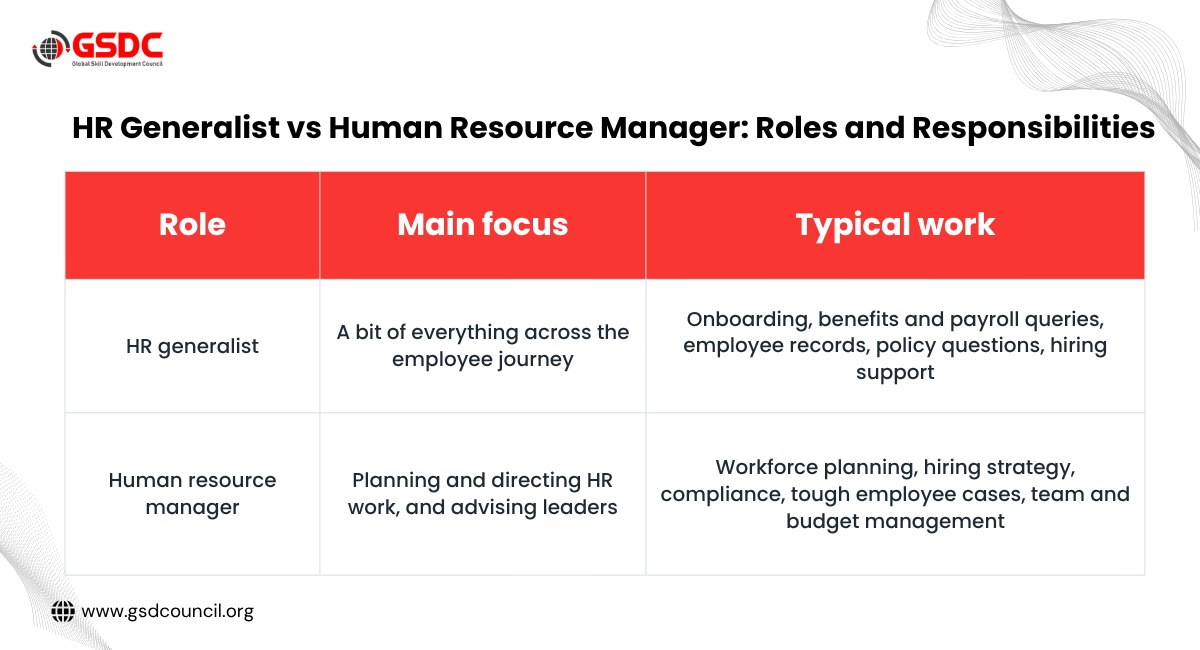
If you browse HR generalist jobs, the job description usually centers on onboarding, employee relations, benefits administration and compliance support. In short, what a human resource manager does is take those same building blocks and steer them toward business goals.
Career snapshot
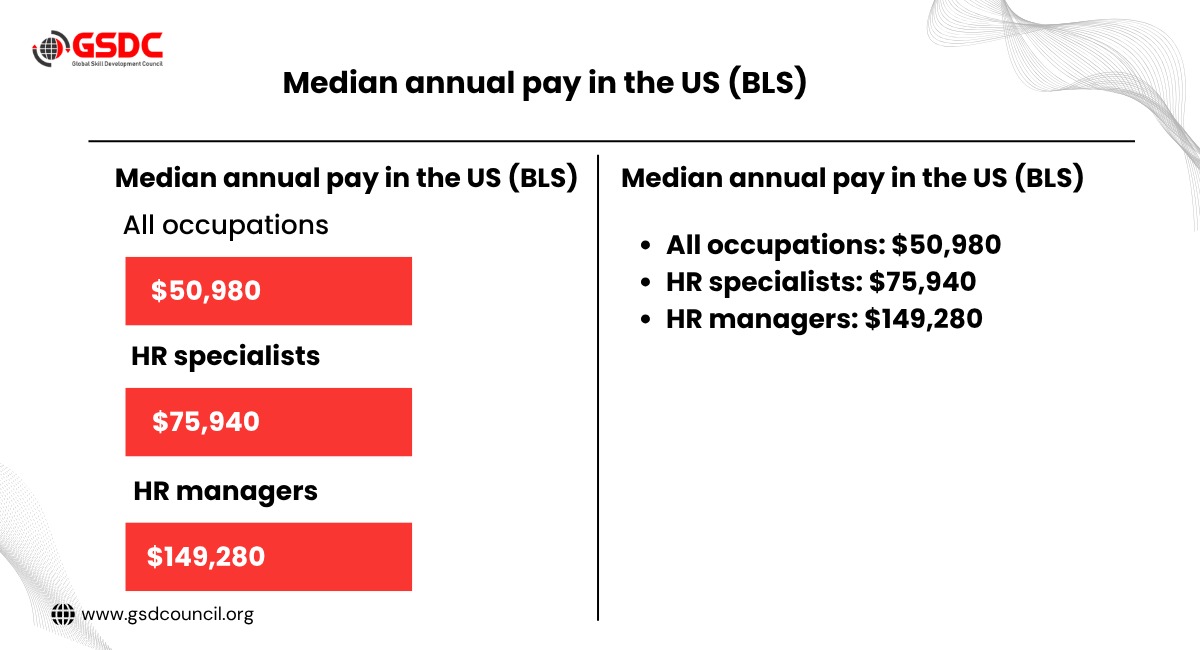
HR career paths vary by country, employer and specialization, and so does compensation. For a US benchmark, the BLS reports median annual pay of $75,940 for HR specialists and $149,280 for HR managers. Moving up takes more than time in the role. The BLS notes that specialists can improve their chances of advancing to manager roles by taking on new responsibilities or completing voluntary certification programs, and a credential like the Certified HR Professional is one way to show that step.
10 Traits of an Effective HR Professional
1. Clear communication
HR sits between leadership and employees, so you are translating all day. A benefits change or a hard feedback message lands better when it is short, plain and honest. Listening matters just as much. Good communicators hear the real problem behind the complaint.
2. Empathy and emotional intelligence
People reach out to HR on some of their worst days: a loss in the family, a harassment complaint, a layoff. Empathy does not mean agreeing with everyone. It means people feel heard, even when the answer is no.
3. Integrity and discretion
You will see salaries, medical notes and disciplinary files. One leak can break trust in the whole team. Keep private things private, apply rules the same way for everyone, and speak up when something crosses an ethical line, even if the person involved is senior.
4. Organization and attention to detail
A missed deadline in HR can mean a wrong paycheck or a compliance gap. Checklists, calendars and tidy records are not glamorous, but they protect both employees and the company.
5. Data and analytical thinking
Turnover, time to hire, absenteeism and engagement scores all tell a story. Effective HR professionals use numbers to spot problems early and to make a case to leadership. You do not need to be a statistician. You just need to ask "what does the data say?" before "what do we feel?"
6. Sound judgment under pressure
Investigations, conflicts and layoffs do not wait for perfect information. Good judgment means gathering facts, hearing both sides, checking the relevant policy or legal requirements, weighing the risk to the person and the company, and then deciding without dragging it out. It also means owning the outcome.
7. Business awareness
The best HR people know how the company makes money. That is where key HR manager skills such as workforce planning and cost control come from. A simple habit helps: ask finance and sales leaders what worries them most, then think about how people strategy can help.
8. Adaptability and tech comfort
HR software, AI screening tools and hybrid work keep changing the job. Adaptable professionals try new tools, question what the tool tells them and keep human judgment in the loop, especially in hiring decisions.
9. Curiosity and continuous learning
Employment laws, employee expectations and tools never stand still. Employers surveyed by the World Economic Forum expect 39 percent of workers' core skills to change by 2030. HR is often asked to lead that shift, so it has to keep learning first. Structured options, such as the HR certifications and learning resources from the Global Skill Development Council (GSDC), can give that learning some direction.
10. Leadership and influence
This has little to do with job title. It is about getting a manager to give honest feedback, or convincing leadership to fix a broken process. Lead by example, follow through on what you promise, and people will start coming to you before problems grow.
How to Improve HR Skills
Wondering how to improve human resources skills without changing jobs? Small, steady habits work better than one big course. Here are the ones that tend to pay off.
- Ask managers and employees for honest feedback, then act on it
- Rotate through recruitment, employee relations and payroll if your team allows it
- Shadow a senior HR manager during a difficult case
- Learn basic HR analytics, starting with dashboards and spreadsheets
- Follow employment law updates for your region
- Practice hard conversations with a mentor before the real one
- Add structured HR skills training, such as workshops or short courses, for topics you can't learn on the job
How to Become an HR Manager
There is no single route to becoming a human resource manager, but most paths look like this:
- Earn a degree in HR, business or a related field.
- Start as a generalist or coordinator to see how every HR function connects.
- Go deeper in one area, such as recruitment, compensation and benefits, or employee relations.
- Add a certification to show your knowledge is current.
- Take on team lead tasks like mentoring juniors or running a project.
- Apply for manager roles, usually after several years of HR experience.
Choosing the Best HR Certification
There is no single best HR certification for everyone, so compare your options on these points before you pay for any program:
- Recognition among employers in your target market
- Relevance to your career stage, whether you are a generalist or moving into management
- A real assessment, not just a certificate of attendance
- Coverage of practical HR skills, not only theory
- Content on HR analytics, technology and AI in HR
- Opportunities to keep learning after the exam
One option that fits several of these points is the Certified HR Professional program from the Global Skill Development Council (GSDC). It is assessed through an exam covering recruitment, performance management, employee relations and compliance, so it tests applied HR knowledge rather than attendance. GSDC also states that it is accredited as a personnel certification body under ISO/IEC 17024, the international standard for organizations that certify people, which speaks to the first point on the list: whether employers can trust the credential. As with any program, read the syllabus and eligibility details first to see whether it matches your career stage.
Final Thoughts
You don't need to master all 10 traits at once. Pick the one that would make the biggest difference in your current role, practice it deliberately for the next month, and then move to the next. Strong HR careers are built through that kind of steady improvement.

Related Certifications
Frequently Asked Questions
A human resource manager plans and directs HR activities such as hiring, compliance, employee relations and benefits, and advises senior leaders on people decisions.
The BLS lists communication, decision-making, attention to detail and interpersonal skills as important qualities for HR specialists. Other valuable HR skills include integrity, data literacy and continuous learning.
Yes. It exposes you to recruiting, employee relations, benefits and compliance, which makes it a solid base for a later move into management or a specialty.
An HR generalist handles a bit of everything: recruitment, compensation and benefits, training, employee relations, and running HR policies and programs. The BLS describes generalists as workers who cover all aspects of HR work, so the exact duties depend on the size of the company.
Often, yes, though it is usually optional. The BLS notes that some employers prefer or require certification, and that generalists in particular may benefit because it shows knowledge across all HR areas. Check that the program is recognized by employers in your market before you commit.
Stay up-to-date with the latest news, trends, and resources in GSDC
If you like this read then make sure to check out our previous blogs: Cracking Onboarding Challenges: Fresher Success Unveiled
Not sure which certification to pursue? Our advisors will help you decide!