Site Reliability Engineering Case Studies: Real-World Lessons

Written by Matthew Hale
- What Is Site Reliability Engineering?
- Why Traditional Operations Fail at Scale
- Case Study 1: Google - The Origin of Site Reliability Engineering
- Case Study 2: Netflix - Designing Systems That Expect Failure
- Case Study 3: LinkedIn - Scaling Reliability Without Slowing Development
- Case Study 4: Finance and Healthcare - Reliability Under Pressure
- Learning Paths and Professional Growth in SRE
- Salary Outlook: How Much Does a Reliability Engineer Make?
- From Case Studies to Careers in Site Reliability Engineering
- Conclusion: Reliability Is Engineered, Not Assumed
When Facebook went down for more than six hours in 2021, billions of users were locked out-and the outage reportedly cost the company millions of dollars in lost revenue and market value.
Similar large-scale outages at global platforms over the years have shown one clear reality: system failures are not minor technical issues anymore-they are serious business events.
As applications become cloud-based, distributed, and always-on, even a small reliability gap can trigger widespread disruption. This has pushed leading organizations to rethink how they design, operate, and maintain systems. Instead of fixing problems after they occur, they focus on preventing failures and recovering automatically.
This shift in thinking is what led to the rise of site reliability engineering. And the strongest proof of its value comes not from theory, but from real-world case studies across some of the world’s most reliable digital platforms.
What Is Site Reliability Engineering?
A common question for many professionals is What is site reliability engineering?
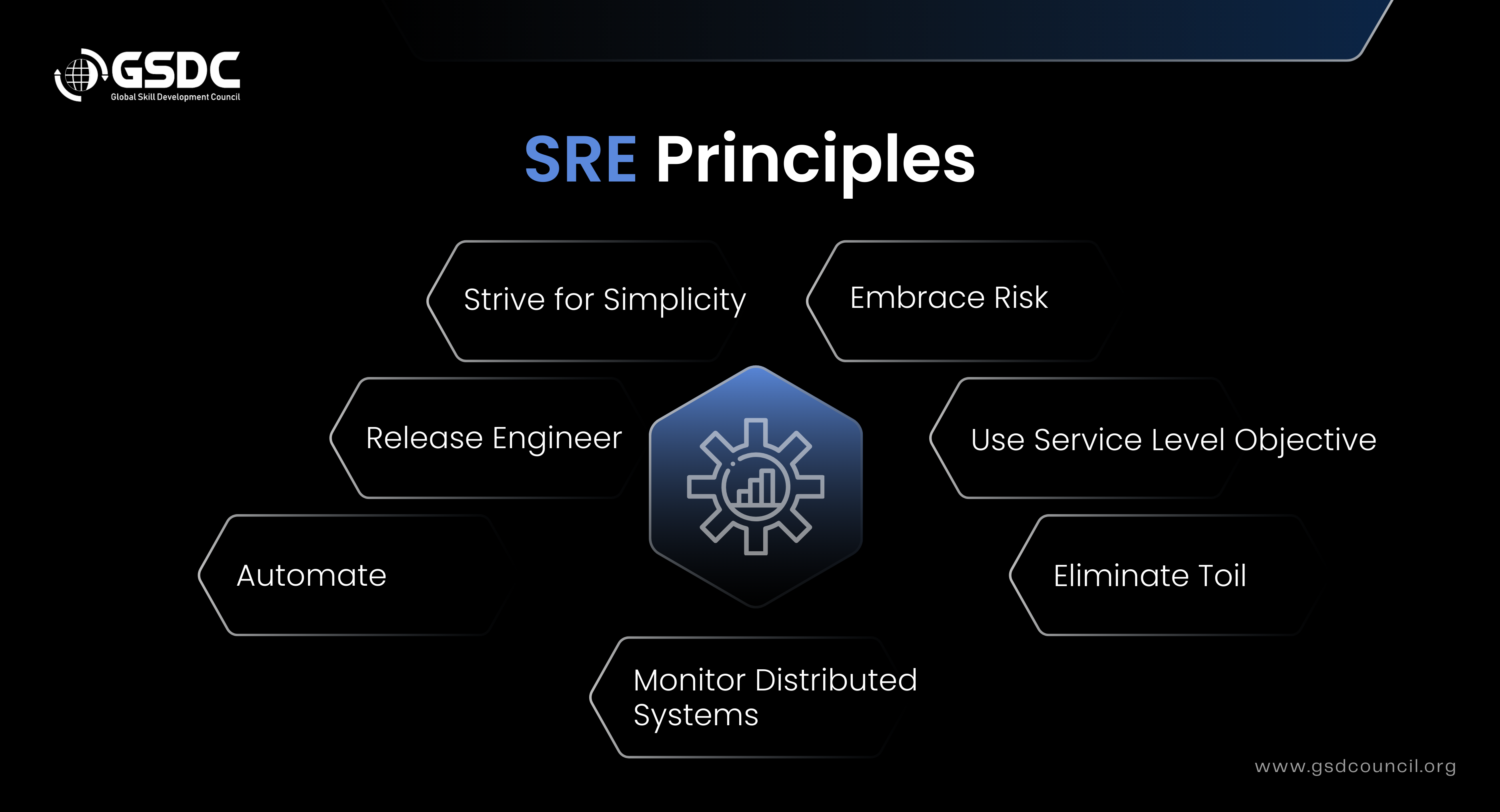
Site Reliability Engineering (SRE) is a discipline that applies software engineering principles to operations. Instead of reacting to system failures, SRE focuses on building systems that are reliable by design. This includes automation, clear performance targets, and fast recovery from failures.
In simple terms, site reliability engineering helps organizations keep systems available, scalable, and resilient, even as complexity increases.
Why Traditional Operations Fail at Scale
Modern digital systems are very different from the past. Today’s organizations manage:
- Cloud-native infrastructure
- Distributed microservices
- Continuous software deployments
- Users across multiple regions and time zones
Manual monitoring and firefighting no longer work at this scale. This has led many companies to invest in site reliability engineering services to proactively manage uptime and performance.
Case Study 1: Google - The Origin of Site Reliability Engineering
When global services like Search, Gmail, and YouTube could no longer be supported by traditional operations models, Google introduced Site Reliability Engineering.
Manual interventions became dangerous and unreliable as traffic increased. In response, Google assigned engineers to oversee production systems and treated reliability as a software issue.
Google established Service Level Indicators (SLIs) and Service Level Objectives (SLOs) centered on actual user experience to make reliability quantifiable. Additionally, it introduced error budgets, which guided release decisions and established explicit bounds on acceptable failure.
Why this strategy worked
- Reliability goals were precise and quantifiable.
- System health, not deadlines, determined release speed.
Important lesson: When reliability is engineered rather than assumed, it scales.
Case Study 2: Netflix - Designing Systems That Expect Failure
Because of the scale at which Netflix operates, system failures are inevitable. Everyday operations include network problems, traffic spikes, and hardware outages.
Netflix created systems that automatically recover rather than attempting to avoid every failure. In order to improve system resilience and reveal vulnerabilities early, tools such as Chaos Monkey purposefully cause production failures.
Strong observability and automation enable Netflix to quickly identify problems, reroute traffic, and continue to provide a seamless streaming experience even in the event that system components malfunction.
Why this strategy worked
- Before users encountered failures, they were tested.
- Automation decreased reliance on human reaction
Important lesson: Systems designed to withstand failure are more dependable in the long run.
Case Study 3: LinkedIn - Scaling Reliability Without Slowing Development
LinkedIn's engineering teams had to release features more quickly without increasing outages as the company expanded internationally.
Many operational tasks required human intervention prior to the adoption of SRE practices. LinkedIn decreased operational noise and response times by implementing automated monitoring, alerting, and incident response.
This increased deployment frequency without compromising reliability, allowing engineers to concentrate on enhancing system design.
Why this strategy worked
- Stable production environments and quicker releases
- Decreased overhead in operations
Important lesson: When properly engineered, velocity and reliability can grow together.
Download the checklist for the following benefits:
Strengthen core SRE skills and future-proof your career 🚀
👉 Start your SRE certification journey ✅
Case Study 4: Finance and Healthcare - Reliability Under Pressure
In industries like finance and healthcare, downtime is more than a technical issue-it can trigger compliance violations and regulatory scrutiny.
Many organizations in these sectors use SRE principles internally by setting strict reliability targets, automating incident detection, and performing detailed post-incident reviews.
These approaches are often highlighted in case studies in engineering failure analysis, showing how proactive system design reduces risk and protects critical services.
Why SRE works here
- Automation reduces human error
- Clear reliability targets support compliance
Key takeaway: SRE principles are effective even in highly regulated environments.
What These Real-World Case Studies Have in Common
Across industries, successful SRE implementations share clear patterns:
- Reliability is a shared responsibility
- Automation is prioritized over manual fixes
- Incidents are learning opportunities, not blame events
- Engineering and operations work toward common goals
Tools alone don’t create a reliable mindset and culture do.
As these principles repeat across industries, programs like the Site Reliability Engineering (SRE) Foundation Certification (CSREF) help professionals understand and apply proven SRE practices in real production environments.
Learning Paths and Professional Growth in SRE
A structured site reliability engineer learning path combines strong technical foundations with real-world production experience.
Typical learning progression
- Operating systems, networking, and distributed systems
- Cloud platforms and infrastructure reliability
- Automation, scripting, and CI/CD pipelines
- Monitoring, observability, and incident response
Many professionals strengthen this path through a formal site reliability engineering course and validate their expertise with an industry-recognized site reliability engineer certification, helping them meet evolving site reliability engineer requirements.
As organizations increasingly adopt site reliability engineering, structured learning is becoming essential. Programs from bodies like the Global Skill Development Council (GSDC) focus on practical SRE skills such as reliability metrics, automation, and incident response, aligned with real production environments.
Salary Outlook: How Much Does a Reliability Engineer Make?
Because SREs manage business-critical systems, compensation is typically higher than many traditional IT and operations roles.
Indicative pay ranges (global benchmarks)
- Entry-level SRE: approximately $70,000 – $100,000 per year
- Mid-level SRE: approximately $100,000 – $140,000 per year
- Senior / Lead SRE: approximately $150,000 – $200,000+ per year, depending on responsibility and scale
What Drives SRE Pay Growth?
- Experience owning large-scale production systems
- Strong automation, cloud, and observability skills
- Ability to lead incident response and reliability strategy
- On-call responsibility and system criticality
- Proven skills through hands-on work, courses, or certification
The Future of Site Reliability Engineering
The future of site reliability engineering will be shaped by:
- AI-driven automation and monitoring: With less human involvement, systems will identify problems earlier and react more quickly.
- More expansive and dispersed cloud system: It will be necessary for reliability engineering to scale across complex architectures, providers, and geographical areas.
- Resilience and fault tolerance will be given more attention: systems will be built to function even in the event that a component fails.
- Enhanced cooperation between operations and development: Throughout the software lifecycle, reliability will become a shared responsibility.
Site Reliability Engineering will continue to be a crucial skill for creating stable, resilient systems as digital platforms continue to expand in complexity and scale.
From Case Studies to Careers in Site Reliability Engineering
These actual case studies demonstrate the high demand for site reliability engineering expertise. The Global Skill Development Council (GSDC) offers a Site Reliability Engineering (SRE) Foundation Certification (CSREF) that is in line with actual production practices and covers reliability metrics, automation, and incident response to assist professionals in meeting contemporary site reliability engineer requirements as the career path for site reliability engineers expands across industries.

Conclusion: Reliability Is Engineered, Not Assumed
It is evident from these real-world case studies that dependable systems are not created by accident. Companies like Google, Netflix, LinkedIn, and big businesses thrive because they purposefully incorporate dependability into their systems from the outset. They create systems that can grow and recover even in the face of continuous change by establishing precise reliability goals, automating processes, and methodically learning from mistakes.
One common change is evident in all of the examples: reliability is no longer viewed as a last-minute fix or a support task. It is incorporated into system design, deployment procedures, and engineering choices.
Reliability becomes a competitive advantage rather than a limitation when teams adopt this mindset, which enables them to move more quickly without compromising stability.
Site reliability engineering is now essential in a world where downtime can cost millions of dollars and undermine user confidence. It offers organizations a methodical approach to long-term stability and resilience. Professionals view it as a high-impact, future-ready field that focuses on creating systems that users can actually depend on.

Related Certifications
Stay up-to-date with the latest news, trends, and resources in GSDC
If you like this read then make sure to check out our previous blogs: Cracking Onboarding Challenges: Fresher Success Unveiled
Not sure which certification to pursue? Our advisors will help you decide!